Boating is one of the most enjoyable ways to spend time on the water, but safety and proper equipment are crucial to ensure a smooth experience. Two of the most important pieces of equipment for any boat owner are anchor rodes and dock lines. Understanding their use, maintenance, and selection can make a significant difference in both safety and convenience on the water.
What Are Anchor Rodes?
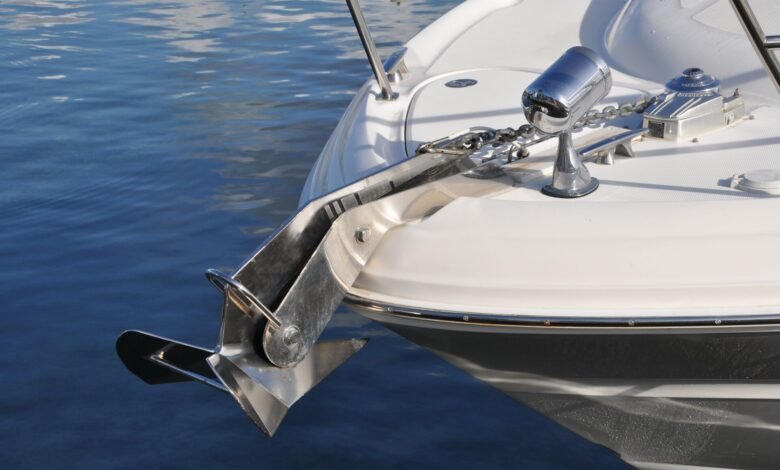
An anchor rode is the line, chain, or a combination of both that connects your boat to its anchor. The primary purpose of an anchor rode is to hold your vessel in place, preventing it from drifting due to wind, currents, or waves. While the anchor itself grips the seabed, the rode absorbs tension and allows the anchor to work effectively.
Types of Anchor Rodes
Anchor rodes come in a few different forms, each with its own advantages:
- Rope Rodes: Often made from nylon, rope rodes are lightweight and flexible. They offer elasticity, which helps absorb shock from waves or wind gusts, reducing strain on the anchor and boat.
- Chain Rodes: Chains are heavy and sink quickly, providing better holding power, especially in rough waters. They also reduce the chance of abrasion on rocky seabeds.
- Rope-Chain Combination: This is the most popular option for recreational boats. A section of chain is connected to the anchor, with rope attached to the boat. This setup combines the flexibility of rope with the strength of chain.
Choosing the Right Length
The length of your anchor rode is crucial for effective anchoring. A general rule of thumb is a scope ratio of 7:1, meaning seven feet of rode for every one foot of water depth. For example, if you’re anchoring in 10 feet of water, you should have at least 70 feet of rode out. This ensures the anchor sets securely and reduces the chance of dragging.
Understanding Dock Lines
While anchor rodes keep your boat stationary in open water, dock lines secure your vessel when it’s tied up at a marina, pier, or dock. Proper use of dock lines prevents damage to both the boat and the dock while accommodating changes in tides and weather conditions.
Types of Dock Lines
Dock lines vary based on material and purpose:
- Nylon Dock Lines: These are the most common due to their elasticity and strength. Nylon absorbs shock well, protecting your boat from sudden movements caused by waves or passing boats.
- Polyester Dock Lines: Less stretchy than nylon, polyester lines are excellent for consistent tension situations, such as in calm marinas.
- Braided vs. Twisted Lines: Braided lines are stronger and smoother, reducing wear on cleats, while twisted lines are easier to handle and knot securely.
Proper Docking Techniques
When securing a boat with dock lines, follow these tips:
- Use at Least Three Lines: A bow line, stern line, and spring line (angled from bow or stern to dock) provide maximum stability.
- Adjust for Tide and Swell: Lines should be tight enough to prevent drifting but have enough slack to allow vertical movement.
- Inspect Regularly: Check for fraying, mildew, or worn spots, as weak dock lines can break unexpectedly, leading to accidents or damage.
Maintaining Your Anchor Rodes and Dock Lines
Maintenance is key to extending the lifespan of your anchoring and docking equipment. For both anchor rodes and dock lines:
- Rinse with Fresh Water: Saltwater accelerates wear, so rinse lines after each trip.
- Inspect for Wear: Look for frays, kinks, or corrosion on chains. Replace damaged sections immediately.
- Proper Storage: Store lines coiled and off the deck when not in use to prevent UV damage and tangling.
Why Proper Use Matters
Neglecting the quality or setup of anchor rodes and dock lines can lead to serious issues. A poorly secured boat may drift into another vessel, rocks, or the shore, causing damage or injury. On the other hand, using the right lines with proper technique enhances safety, protects your investment, and ensures peace of mind while enjoying the water.
Conclusion
For every boat owner, understanding anchor rodes and dock lines is more than just a matter of convenience—it’s essential for safety and proper boat handling. Whether anchoring in a secluded bay or tying up at a bustling marina, the right equipment, proper length, and careful maintenance make a world of difference.
Investing time in learning about and maintaining your rodes and dock lines ensures your boating experience is both safe and enjoyable. After all, a secure boat is a happy boat.