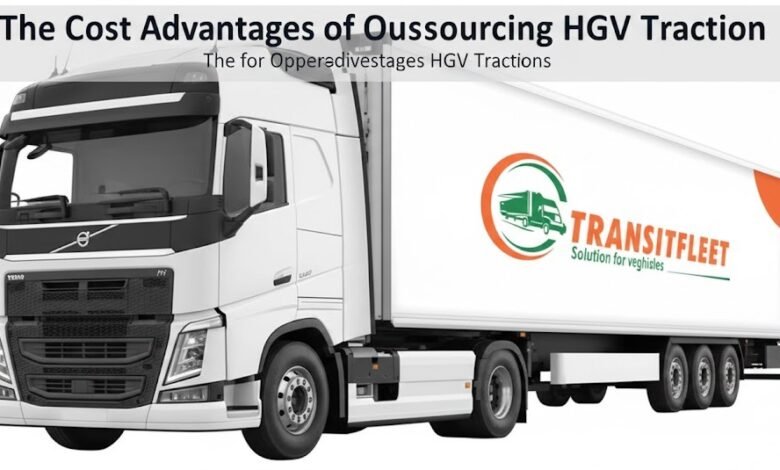
The road transport industry has always played a central role in connecting businesses and consumers. Heavy Goods Vehicles, also known as HGVs, are the backbone of logistics across the UK and Europe. They move goods from factories to warehouses, from suppliers to retailers, and ensure the supply chain keeps flowing without disruption. With demand for reliable transport services continuing to grow, many companies are facing the question of whether to invest in their own fleet or to outsource HGV traction.
For businesses looking to remain competitive while keeping costs under control, outsourcing HGV traction Services has emerged as a smart solution. Instead of buying and managing their own vehicles, companies can rely on external traction providers who specialize in moving trailers and freight. This approach offers many cost advantages, making it attractive for logistics providers, retailers, and manufacturers alike. Understanding these benefits in detail helps decision-makers choose the right strategy for their transport operations.
Lower Capital Investment
One of the most obvious cost benefits of outsourcing HGV traction is the reduced need for upfront investment. Buying new trucks can be extremely expensive. A modern HGV can cost anywhere from £80,000 to £120,000, depending on specifications. If a business needs multiple vehicles to cover routes across the UK or Europe, the costs quickly add up. In addition to the purchase price, there are financing costs, depreciation, and insurance premiums to consider.
By outsourcing traction, businesses avoid these large capital expenses. They do not need to tie up significant amounts of money in vehicles that lose value over time. Instead, they pay only for the service they use, whether that is daily traction, long-term contracts, or seasonal support. This frees up capital that can be invested in core business areas such as production, marketing, or technology. The result is a leaner financial model where transport costs are variable rather than fixed.
Reduced Maintenance and Repair Costs
Owning an HGV fleet comes with ongoing maintenance responsibilities. Trucks require regular servicing, inspections, tyre replacements, and emergency repairs. Breakdowns not only lead to expensive repairs but can also cause delays and lost revenue. The more vehicles a company owns, the higher the risk of unexpected costs.
When outsourcing traction, these costs fall to the service provider. Traction companies maintain their fleets to the highest standards to ensure reliability. Their costs are spread across many clients, which makes it more affordable for everyone involved. Businesses using outsourced traction no longer have to worry about running workshops, employing mechanics, or paying for unexpected breakdowns. This is a huge financial relief and also ensures that vehicles are always roadworthy and compliant with regulations.
Savings on Staffing Costs
Another major cost in running a fleet is driver employment. Hiring and training HGV drivers is a big responsibility. Salaries, national insurance contributions, pensions, holiday pay, and sick leave all add to the financial burden. Driver shortages in the UK have also pushed wages higher, making it even harder for businesses to maintain full teams.
Outsourcing traction removes these staffing challenges. The traction company provides qualified, experienced drivers as part of the service. This means businesses can avoid recruitment headaches, training programs, and HR management. They also reduce the risks linked with staff turnover, absenteeism, or compliance failures. By outsourcing, companies pay only for the service they need while leaving driver management to professionals.
Flexibility in Demand Management
Transport demand is rarely constant. Retailers and logistics firms face seasonal peaks during holidays or special promotions, followed by quieter months. Owning a fleet creates difficulties in matching capacity to demand. During busy times, businesses may not have enough trucks, and during slower periods, vehicles often sit idle, still costing money in loans, insurance, and maintenance.
Outsourcing traction offers flexible capacity. Companies can scale up or down quickly, depending on their needs. They can request more trucks during peak season and reduce their usage when demand falls. This flexibility avoids waste and ensures that transport costs remain closely aligned with actual business activity. It is far more cost-efficient than owning and running a large fleet that is not always fully used.
Fuel and Operating Efficiencies
Fuel is one of the largest operating expenses in the transport industry. Keeping track of fuel prices, consumption rates, and efficiency programs requires constant monitoring. Traction providers, however, specialize in managing these costs. They operate modern, fuel-efficient vehicles and often use telematics to optimize routes and reduce fuel waste.
For businesses that outsource traction, this means lower indirect costs. They do not need to invest in fuel cards, storage tanks, or monitoring systems. They benefit from the economies of scale that traction providers achieve by running large fleets. Over time, these savings add up to a significant financial advantage compared with managing fuel in-house.
Avoiding Regulatory Costs
The transport industry in the UK is heavily regulated. Operators must comply with strict rules covering vehicle safety, emissions, tachograph use, and working hours. Running a fleet requires obtaining an operator’s license, keeping records, and facing regular inspections. Non-compliance can lead to heavy fines or even loss of the license.
When outsourcing traction, the responsibility for compliance lies with the traction provider. Businesses do not need to worry about maintaining legal documentation or ensuring drivers follow complex regulations. This reduces administrative costs and legal risks while ensuring peace of mind that goods are moved in line with the law.
Cost Savings Through Specialization
Outsourced traction providers are experts in their field. They know how to manage fleets, optimize routes, and ensure maximum efficiency. Their experience and technology investments allow them to deliver services at a lower cost than most businesses could achieve on their own.
By outsourcing, companies effectively gain access to this expertise without having to pay for it directly. They benefit from optimized operations, better utilization of vehicles, and professional logistics management. The overall result is a more efficient transport system at a lower total cost.
Insurance Savings
Insurance premiums for HGVs are another major expense for fleet operators. These costs rise further when businesses manage large fleets or experience claims. Outsourcing traction reduces or eliminates the need to carry insurance for vehicles and drivers. The traction provider covers these risks, and the costs are shared across multiple clients. This means significant savings for companies that would otherwise face large annual premiums.
Improved Cash Flow
When businesses own their own fleet, they must deal with irregular cash flow patterns. Large sums go out when vehicles are purchased, serviced, or repaired. Insurance premiums and staff wages must be paid monthly, regardless of business activity. These fixed costs can create financial pressure, especially during slow periods.
Outsourcing traction converts these fixed costs into predictable, variable costs. Companies only pay when they use the service, which makes budgeting easier and cash flow more stable. This financial flexibility is a key advantage for businesses looking to expand or invest in other areas.
Long-Term Strategic Benefits
The cost advantages of outsourcing traction go beyond direct financial savings. By outsourcing, businesses free themselves from the burden of transport management. They can focus on their core activities, whether that is retail, manufacturing, or logistics coordination. This focus often leads to higher productivity and stronger growth.
In addition, outsourcing allows businesses to respond more quickly to changes in the market. They can expand into new regions, support urgent projects, or handle unexpected spikes in demand without worrying about vehicle shortages. This agility is essential in today’s fast-moving economy and can create a competitive advantage that goes far beyond cost savings.
Transit Fleet: Trusted Outsourcing Partner in the UK
In the UK, one of the leading names in outsourced HGV traction is Transit Fleet. The company provides reliable and cost-effective traction services to a wide range of industries. With a modern fleet and a team of experienced drivers, Transit Fleet helps businesses reduce costs, improve efficiency, and stay focused on their core operations. Their services are flexible and can be tailored to match both short-term and long-term needs. Whether a company requires extra support during peak seasons or ongoing traction solutions, Transit Fleet delivers with professionalism and expertise. This makes them a trusted partner for businesses across the UK seeking to unlock the many cost advantages of outsourcing HGV traction.
Final Thoughts
The decision to outsource HGV traction is no longer just about convenience. It is a strategic move that delivers real financial benefits. From reduced capital investment to lower staffing costs, from savings on maintenance to better cash flow management, the advantages are clear. Companies that outsource also gain flexibility, avoid regulatory burdens, and access professional expertise that drives further efficiency.
For businesses in the UK and beyond, outsourcing traction is becoming the preferred model for cost management and growth. With reliable partners such as Transit Fleet, companies can streamline their logistics, cut expenses, and strengthen their competitive position in the market. As the transport industry continues to evolve, those who adopt flexible and cost-effective solutions will be the ones who thrive in the future.