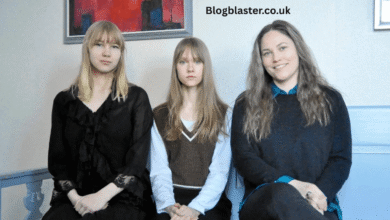
Caroline Watt is a respected psychologist best known for her work in parapsychology and her association with the University of Edinburgh. Over the years, Caroline Watt has contributed significantly to research on paranormal claims, critical thinking, and the scientific study of unusual psychological experiences. Her academic leadership and research have helped shape modern discussions around parapsychology, skepticism, and experimental psychology. This in-depth article explores Caroline Watt’s background, academic journey, research focus, public engagement, and lasting influence in the field of psychology.
Who Is Caroline Watt?
Caroline Watt is a Scottish psychologist recognized for her involvement in the scientific investigation of paranormal phenomena. She has been closely associated with the University of Edinburgh, particularly through the Koestler Parapsychology Unit — one of the world’s few academic research groups dedicated to parapsychology within a mainstream university setting.
Her work bridges several areas of psychology, including:
- Parapsychology
- Belief in the paranormal
- Critical thinking and skepticism
- Experimental research methodology
- Cognitive and personality psychology
Through her academic roles and research projects, Caroline Watt has helped bring scientific rigor to a field often viewed with skepticism.
Academic Background and Education
Caroline Watt trained as a psychologist and pursued an academic career focused on experimental psychology. While many researchers avoid controversial areas such as parapsychology, Watt chose to explore them using strict scientific methods.
Her educational foundation in psychology allowed her to apply established research principles — such as controlled experimentation, statistical analysis, and peer review — to the study of paranormal claims.
This methodological commitment is one of the defining characteristics of Caroline Watt’s career.
The Koestler Parapsychology Unit
One of the most significant aspects of Caroline Watt’s career is her involvement with the Koestler Parapsychology Unit (KPU) at the University of Edinburgh.
What Is the Koestler Parapsychology Unit?
The Koestler Parapsychology Unit was established to investigate claims of psychic phenomena using scientific methods. It is named after writer Arthur Koestler, who left a bequest to fund academic research into parapsychology.
The unit focuses on:
- Extrasensory perception (ESP)
- Precognition
- Telepathy
- Psychokinesis
- Psychological factors behind paranormal belief
Caroline Watt has played a leadership role within this unit, contributing to research projects, supervising doctoral students, and helping maintain academic standards in a controversial field.
Caroline Watt and Scientific Parapsychology
Parapsychology often faces criticism for a lack of empirical support. Caroline Watt’s approach has consistently emphasized scientific integrity.
Her work typically includes:
- Rigorous experimental design
- Replication studies
- Statistical evaluation
- Peer-reviewed publication
- Transparency in methodology
Rather than promoting paranormal claims, Watts’ research often examines whether such claims hold up under scientific testing.
Critical Evaluation of Psychic Claims
A major theme in Caroline Watt’s work is the investigation of alleged psychic phenomena. This includes testing claims of precognition (the ability to know the future), telepathy (mind-to-mind communication), and other extrasensory abilities.
Her findings have frequently highlighted:
- The importance of experimental controls
- The role of coincidence and probability
- Cognitive biases influencing belief
- The difficulty of replicating paranormal results
In doing so, Caroline Watt has helped move parapsychology toward greater methodological accountability.
Research on Belief in the Paranormal
Beyond testing paranormal claims directly, Caroline Watt has also studied why people believe in them.
Why Do People Believe in Psychic Phenomena?
Watt’s research explores psychological variables linked to paranormal belief, such as:
- Personality traits
- Cognitive style
- Suggestibility
- Intuition vs. analytical thinking
- Emotional reasoning
Her work suggests that belief in the paranormal is influenced more by psychological factors than by empirical evidence.
This area of research connects parapsychology with mainstream cognitive psychology and behavioral science.
Precognitive Dream Research
One of the areas Caroline Watt has examined involves precognitive dreams — the idea that people can dream about future events.
Through controlled experimental studies, researchers in this area aim to determine whether dream content can predict future outcomes beyond chance.
Caroline Watt’s involvement in such studies emphasizes:
- Blind testing procedures
- Randomization
- Pre-registration of experiments
- Statistical rigor
While claims of precognition remain controversial, Watt’s work demonstrates how such topics can be approached scientifically rather than sensationally.
Contributions to Critical Thinking and Skepticism
Caroline Watt’s career also intersects with scientific skepticism. She has engaged in discussions about how to properly evaluate extraordinary claims.
Her approach aligns with the well-known principle:
Extraordinary claims require extraordinary evidence.
Rather than dismissing paranormal claims outright, Watt supports careful investigation, ensuring that conclusions are based on reliable data.
This balanced position has made her a respected figure both within parapsychology and among skeptics.
Leadership Roles and Professional Recognition
Caroline Watt has held significant academic leadership positions associated with parapsychology research. Her work has earned recognition in professional organizations focused on the scientific study of anomalous experiences.
Leadership roles in this context typically involve:
- Overseeing research programs
- Mentoring doctoral candidates
- Reviewing academic papers
- Organizing conferences
- Representing the field in public discussions
Her career reflects a sustained commitment to maintaining academic standards in a niche and controversial area of psychology.
Publications and Academic Output
Caroline Watt has authored and co-authored scholarly articles examining:
- Experimental tests of ESP
- Psychological correlates of paranormal belief
- Methodological critiques of parapsychology research
- Statistical evaluations of claimed psychic effects
Her publications often appear in peer-reviewed journals and academic collections focused on psychology and anomalistic psychology.
Anomalistic psychology — a field closely related to her work — studies extraordinary experiences in terms of known psychological and physical processes.
Public Engagement and Media Appearances
As a researcher in a controversial field, Caroline Watt has occasionally participated in public discussions, interviews, and educational outreach.
Public engagement in this area often involves:
- Explaining scientific methods
- Addressing misconceptions about psychic claims
- Clarifying what research does and does not show
- Promoting critical thinking
Her ability to communicate complex psychological topics clearly has contributed to informed debate about paranormal phenomena.
The Importance of Scientific Neutrality
One of Caroline Watt’s most notable contributions is her commitment to scientific neutrality.
In a field often divided between believers and skeptics, she has emphasized:
- Evidence over ideology
- Transparency over sensationalism
- Replication over isolated findings
- Statistical integrity over anecdotal evidence
This approach helps maintain credibility in academic research related to controversial topics.
Impact on Modern Parapsychology
Caroline Watt’s work has influenced the direction of contemporary parapsychology by:
- Raising methodological standards
- Encouraging replication studies
- Integrating mainstream psychology techniques
- Promoting open scientific dialogue
Her contributions have helped move the field away from purely anecdotal evidence and toward structured experimental research.
Caroline Watt’s Legacy in Psychology
While parapsychology remains controversial, Caroline Watt’s career demonstrates that even disputed subjects can be investigated scientifically.
Her legacy includes:
- Mentoring new researchers
- Strengthening research design standards
- Encouraging interdisciplinary dialogue
- Promoting critical thinking about extraordinary claims
Whether one is skeptical of paranormal phenomena or curious about them, Watt’s work provides a model for evidence-based inquiry.
Frequently Asked Questions About Caroline Watt
Is Caroline Watt a believer in psychic phenomena?
Caroline Watt approaches psychic claims from a scientific perspective rather than a belief-based one. Her work emphasizes testing and evaluating claims through controlled experiments.
What is Caroline Watt known for?
She is best known for her association with the Koestler Parapsychology Unit at the University of Edinburgh and her research into paranormal belief and experimental parapsychology.
What does Caroline Watt research?
Her research focuses on:
Parapsychology
Extrasensory perception
Precognition
Psychological factors influencing paranormal belief
Experimental methodology
Why is Caroline Watt important?
Caroline Watt is important because she has helped bring scientific rigor and methodological discipline to the study of controversial phenomena.
Conclusion
Caroline Watt stands out as a psychologist who has navigated the complex intersection of science and the paranormal with intellectual discipline and methodological care. Through her work at the University of Edinburgh and her involvement with parapsychology research, she has demonstrated that even controversial topics can be studied within a structured scientific framework.
You May Also Read: Zerlina Hughes: The Lighting Designer Shaping Modern Spaces Through Light