Sustainability is no longer a niche concern. It’s a priority for homeowners who want beautiful interiors without compromising the planet. Flooring plays a major role in a home’s environmental footprint, from the materials used to the manufacturing process, the quality of insulation and even how long the product lasts.
If you’re exploring eco-friendly flooring options, this guide by Floor Land breaks down the key sustainability factors, the best materials to consider, the certifications that actually matter, and how to choose flooring that aligns with your values.
Sustainability Factors
Not all “green” flooring is created equal. Some products are genuinely sustainable, while others rely on clever marketing. Understanding the core sustainability factors helps you make informed decisions.
1. Material Sourcing
Sustainable flooring starts with responsible sourcing. Look for:
- Renewable materials such as bamboo or cork
- Responsibly harvested wood from managed forests
- Recycled content, including reclaimed timber or recycled PVC in vinyl flooring
The goal is to minimise environmental impact from the very beginning of the supply chain.
2. Manufacturing Impact
How flooring is made matters just as much as what it’s made from. Eco-friendly manufacturing includes:
- Reduced energy consumption
- Low-emission production processes
- Minimal waste
- Responsible water usage
Many manufacturers now publish environmental product declarations (EPDs) to show their impact transparently.
3. Indoor Air Quality
Flooring can affect the air you breathe. Low-VOC (volatile organic compound) products reduce harmful emissions and create a healthier home environment. This is especially important for families with children, pets, or allergies.
4. Durability and Longevity
A truly sustainable floor is one that lasts. The longer a floor stays in place, the fewer resources are used over time. Durable materials reduce the need for replacement, waste, and additional manufacturing.
5. End-of-Life Options
Eco-friendly flooring should be recyclable, biodegradable, or reusable. Some materials can be reclaimed and repurposed, while others naturally break down without harming the environment.
Eco-Friendly Materials
Several flooring materials stand out for their sustainability credentials. Each offers a different balance of durability, aesthetics, Insulation Efficiency and environmental impact.
1. Engineered Wood
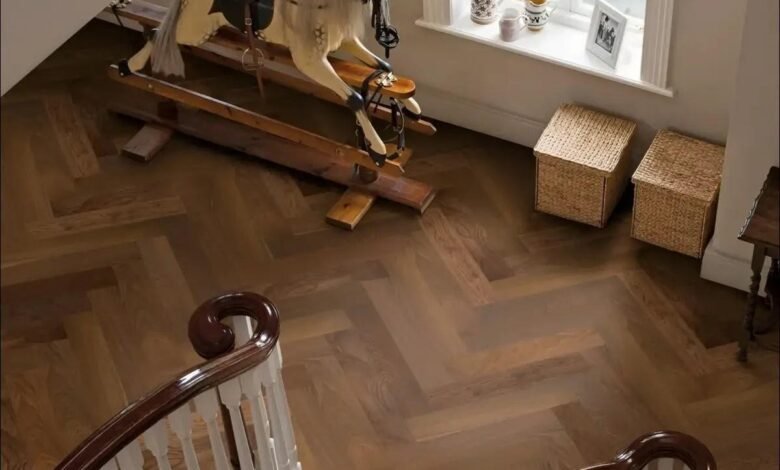
Engineered wood is more sustainable than solid wood because it uses less hardwood while still delivering the beauty of natural timber. Its layered construction maximises resource efficiency and improves stability.
Why it’s eco-friendly:
- Uses less slow-growing hardwood
- Often made with responsibly sourced timber
- Long lifespan when properly maintained
- Can be refinished depending on wear layer thickness
Engineered wood is ideal for homeowners who want a natural, premium look without the environmental cost of solid wood.
2. Bamboo
Bamboo is one of the fastest-growing plants on Earth, making it a highly renewable resource.
Why it’s eco-friendly:
- Regenerates quickly (matures in 3–5 years)
- Strong and durable
- Naturally antibacterial
- Minimal pesticides required
It offers a clean, modern aesthetic and performs similarly to hardwood.
3. Cork
Harvested from the bark of cork oak trees — which regenerate without being cut down — cork is a standout sustainable material.
Why it’s eco-friendly:
- Renewable and biodegradable
- Naturally insulating and soft underfoot
- Excellent acoustic performance
- Hypoallergenic
Cork is perfect for bedrooms, living rooms, and spaces where comfort matters.
4. Recycled Vinyl (LVT)
Not all vinyl is created equal. Some modern LVT ranges incorporate recycled content and are designed for long life and recyclability.
Why it’s eco-friendly:
- Uses recycled PVC
- Extremely durable, reducing replacement frequency
- Low-VOC options available
- Compatible with underfloor heating for energy efficiency
While vinyl isn’t biodegradable, high-quality LVT with recycled content can still be a responsible choice when longevity is the priority.
5. Reclaimed Wood
Reclaimed wood gives old timber a new life, reducing the demand for newly harvested trees.
Why it’s eco-friendly:
- Zero new trees cut down
- Unique character and patina
- Extremely durable
- Reduces landfill waste
It’s ideal for rustic, character-rich interiors.
Certifications Explained
Eco-friendly claims can be confusing. Certifications help you separate genuinely sustainable products from clever marketing. Here are the ones that matter most.
FSC (Forest Stewardship Council)
The FSC label guarantees that wood products come from responsibly managed forests that prioritise biodiversity, worker rights, and long-term sustainability. It’s the gold standard for ethical timber sourcing.
PEFC (Programme for the Endorsement of Forest Certification)
Similar to FSC, PEFC ensures that wood is sourced from sustainably managed forests. It’s widely used across Europe and is a reliable indicator of responsible forestry.
FloorScore
FloorScore certification focuses on indoor air quality. Products with this label meet strict standards for low VOC emissions, making them safer for homes and workplaces.
Greenguard & Greenguard Gold
These certifications also measure VOC emissions. Greenguard Gold is the stricter standard, suitable for sensitive environments like schools and healthcare settings.
EPD (Environmental Product Declaration)
An EPD provides transparent data on a product’s environmental impact throughout its lifecycle. It’s not a “good or bad” rating — it’s a factual report that helps consumers compare products.
Cradle to Cradle
This certification evaluates products based on material health, recyclability, renewable energy use, water stewardship, and social responsibility. It’s one of the most comprehensive sustainability frameworks.
How to Choose Sustainable Flooring
Choosing eco-friendly flooring isn’t just about picking the “greenest” material — it’s about finding the right balance between sustainability, performance, and style.
1. Start With Your Priorities
Ask yourself what matters most:
- Renewable materials
- Low emissions
- Long lifespan
- Recycled content
- Natural aesthetics
Your priorities will guide your shortlist.
2. Check the Certifications
Look for FSC or PEFC for wood, FloorScore or Greenguard for indoor air quality, and EPDs for transparency. Certifications cut through marketing claims and give you confidence in your choice.
3. Consider the Room
Different rooms have different needs:
- Kitchens and bathrooms: moisture-resistant options like LVT or bamboo
- Living areas: engineered wood, cork, or bamboo
- Bedrooms: cork or engineered wood for warmth and comfort
Sustainability should never compromise practicality.
4. Think Long-Term
A floor that lasts 20–30 years is far more sustainable than one that needs replacing every decade. Durability is a key part of eco-friendly design.
5. Choose Reputable Brands
Manufacturers committed to sustainability are transparent about their processes. Look for brands that publish environmental data and hold recognised certifications.
Final Thoughts
Eco-friendly flooring doesn’t mean sacrificing style or performance. With options like engineered wood, bamboo, cork, and recycled-content LVT, homeowners can create beautiful spaces that are kinder to the planet, and selecting the right underlay will reduce your energy usage in the home.
By understanding sustainability factors, recognising trustworthy certifications, and choosing materials that match your lifestyle, you can make a choice that feels good both aesthetically and environmentally.
Authored by Lee McCarthy.
Floor Land
Cockhedge Shopping Centre
Warrington
Cheshire
United Kingdom
WA1 2QQ