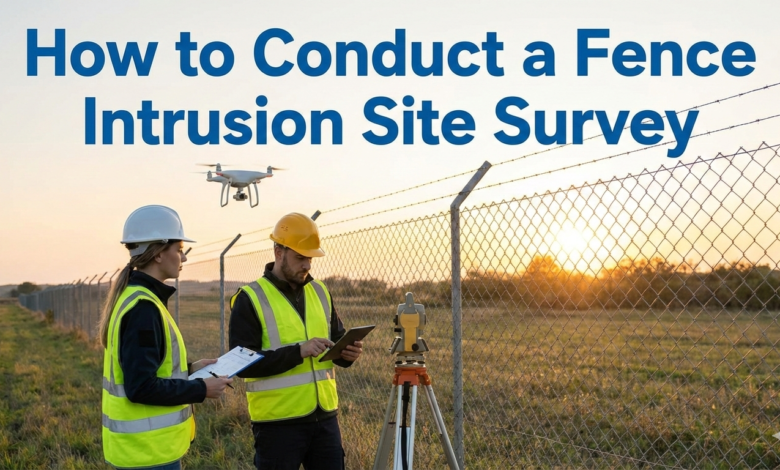
Introduction to Fence Intrusion Detection
Perimeter security is your first line of defense. If it falters, everything behind it becomes exposed. That’s why it’s crucial to carry out a comprehensive fence intrusion site survey for effective detection and reliable fencing and security systems.
Think of a site survey as a health check for your perimeter. It uncovers weak spots, environmental hazards, and chances to bolster your defenses before any threats emerge.
What Is Fence Intrusion Detection?
Fence intrusion detection is designed to spot unauthorized attempts to climb, cut, or tamper with a perimeter fence. These systems send out real-time alerts, enabling security teams to jump into action right away.
Why Site Surveys Matter for Security
Without a proper survey, even the most sophisticated technology can fall short. A site survey ensures that your system is tailored to the environment, risks, and operational needs.
Understanding Site Requirements
Before you start walking the perimeter, take a moment to clarify what the site truly requires.
Identifying Security Objectives
Ask key questions:
- What assets need protection?
- What level of security is necessary?
- Is the aim deterrence, detection, or delay?
Having clear objectives will help guide your choice of technology and system design.
Assessing Risk Levels
Not every site faces the same level of risk. For instance, a warehouse filled with valuable items needs much tighter security compared to a low-risk storage yard.
Here are some factors to consider:
- Crime rates in the area
- Historical incidents
- Accessibility to the public
Evaluating the Physical Environment
The environment also significantly impacts how well intrusion detection systems work.
Terrain and Ground Conditions
Things like uneven ground, slopes, or soft soil can compromise fencing and create vulnerabilities. Be sure to check for:
- Soil erosion
- Drainage issues
- Ground movement
Vegetation and Natural Barriers
Overgrown plants can hide intruders or set off false alarms. It’s a good idea to trim back trees and shrubs along the fence line to keep your view clear.
Weather and Environmental Factors
Weather conditions like wind, rain, and extreme temperatures can impact how well your sensors work. Make sure to pick systems that are built to handle the climate in your area.
Inspecting Existing Fencing Infrastructure
A detection system’s effectiveness really hinges on the quality of the fence it safeguards.
Fence Type and Material
It’s important to identify whether the site is using chain-link, welded mesh, palisade, or razor wire, as each material reacts differently to intrusion detection sensors.
Structural Integrity
Check for:
- Rust or corrosion
- Loose posts
- Damaged panels
If a fence is compromised, it can significantly lower detection accuracy and overall security.
Height and Climb Resistance
Short or easily scalable fences can be an open invitation for intruders. To enhance security, think about adding anti-climb features like toppings, spikes, or rotating barriers.
Identifying Vulnerable Points
Intruders typically don’t target the strongest parts of a property; instead, they seek out the vulnerabilities.
Gates and Access Points
Gates are often the first point of entry. To enhance security, make sure they feature:
- Secure locking mechanisms
- Access control systems
- Detection sensors
Blind Spots and Hidden Areas
Corners, shadows, and dimly lit spots can create chances for sneaky access. Boost your lighting and camera coverage to deter intruders.
Adjacent Structures
Additionally, nearby buildings, walls, or stacked materials can serve as climbing aids. Keep the perimeter clear to minimize these risks.
Selecting Fence Intrusion Detection Technologies
Choosing the right technology is essential for effective fencing and security.
Vibration Sensors
These sensors are designed to pick up any movement on the fence, whether it’s from cutting or climbing. They’re budget-friendly and work well in a variety of settings.
Fiber Optic Detection Systems
Fiber optic systems offer accurate detection and tracking, making them perfect for high-security areas where false alarms need to be kept to a minimum.
Integration with CCTV and Alarms
For the best results, link intrusion detection with surveillance cameras and alarm systems to ensure real-time verification and quick responses.
Planning System Layout and Coverage
A well-planned layout ensures full perimeter protection.
Zoning the Perimeter
Divide the fence into zones to pinpoint intrusion locations quickly. Zoning improves response time and system management.
Avoiding False Alarms
Environmental factors like wind or wildlife can trigger alarms. Proper calibration and sensor placement reduce nuisance alerts.
Power and Connectivity Needs
Ensure reliable power sources and network connectivity for uninterrupted monitoring.
Compliance and Safety Considerations
Security measures must align with legal and safety standards.
Local Security Standards
Follow regional regulations and industry standards when installing intrusion detection systems.
Health and Safety Protocols
Ensure installations do not pose hazards to staff or the public. Proper signage and training are essential.
Reporting and Recommendations
A thorough site survey just isn’t complete without solid documentation.
Documenting Findings
Record:
- Fence conditions
- Risk areas
- Environmental challenges
- Technology recommendations
Photos and diagrams enhance clarity.
Proposing Security Enhancements
Make sure to include practical suggestions like fixing fences, upgrading sensors, or enhancing lighting. If you’re looking for more advanced options, think about installing a professional fence intrusion detection system to boost your perimeter security.
Conclusion
Carrying out a fence intrusion site survey isn’t just another box to check off, it’s a crucial move for solid perimeter security. By evaluating potential risks, examining the existing infrastructure, and choosing the right technologies, you can build a security system that seamlessly integrates with its surroundings.
A thorough survey turns fencing from a simple barrier into a smart defense mechanism. In today’s ever-changing threat landscape, taking this proactive approach truly makes a significant impact.