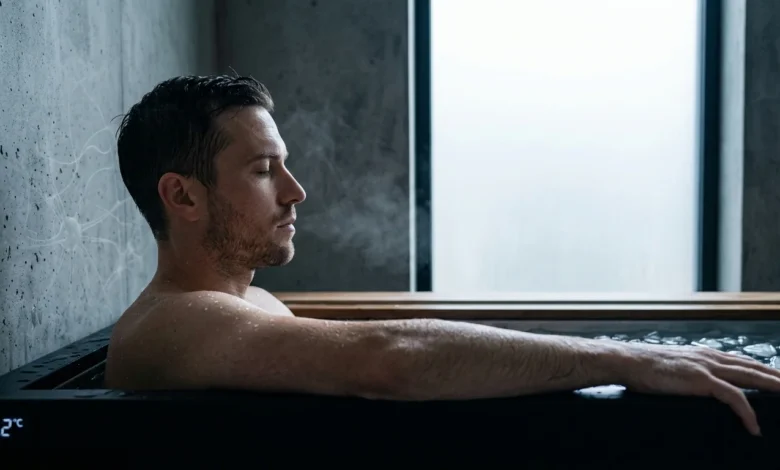
You know that feeling when the alarm goes off at 6:00 AM and your bedroom feels like a cozy, temperature-controlled sanctuary? The last thing most people want to do is throw back the duvet and walk into a freezing shower. It can feel like a form of self-inflicted discomfort.
It is not just about “grit” or looking tough on social media. There is a deep, fascinating bit of biology at play here, often a core focus within comprehensive treatment programs, that actually rewires how your brain handles distractions.
We are talking about the prefrontal cortex. This is the part of your brain responsible for “top-down” control. When you want to focus on a difficult report but your thumb keeps twitching toward the Instagram icon, that is a battle of cognitive control.
Strengthening that muscle is the real secret to productivity. As it turns out, the fastest way to build that muscle is by doing something that every fiber of your being is screaming at you not to do. This process leverages specific neural pathways to enhance executive function.

The Neurobiology of Top-Down Control
Humans are biologically wired to seek comfort and conserve energy. Over thousands of years, we have developed technology so that we rarely experience cold, hunger, or fatigue. However, this modern life of constant physical ease can reduce our neurological resilience.
When we do not encounter physical resistance, our ability to handle mental resistance starts to wither. In the absence of environmental stressors, our brains can become less resilient, which is why many behavioral health programs now incorporate controlled physical challenges to restore focus and grit. This lack of friction can lead to a reduction in what researchers call inhibitory control.
When you stand in front of a cold shower, your brain’s limbic system starts firing off panic signals. It says, “Danger! This is cold! Stop it immediately!” This is the “bottom-up” signaling system designed for immediate survival and reactive behavior.
By stepping in anyway, you are using your prefrontal cortex to override those primitive impulses. You are literally practicing the act of telling your brain what to do, rather than being a slave to your immediate feelings. That is the essence of modern focus.
The Role of the Anterior Mid-Cingulate Cortex
Researchers often point to the anterior mid-cingulate cortex (aMCC) as a key player in this process. This specific area of the brain grows in volume when people engage in activities they find difficult or unpleasant. This growth is a physical manifestation of increased willpower.
Studies suggest the aMCC is smaller in individuals who struggle with willpower and larger in high-performing athletes. It is also notably larger in “super-agers” who maintain high cognitive function late into life. You are quite literally building a more robust brain structure by choosing discomfort.
By forcing a “top-down” override of a massive “bottom-up” threat signal, you strengthen the neural bridge between intention and action. This creates a carry-over effect into other areas of life. If you can stay calm while freezing water hits your back, a stressful email feels manageable.
Understanding Response Inhibition
Inhibitory control is the ability to suppress a natural impulse in favor of a higher, long-term goal. In the shower, the impulse is to retreat to the warmth. In your professional work, the impulse is to procrastinate or seek distraction.
These behaviors utilize the same neural pathways within the prefrontal cortex. By training the pathway to resist the physical impulse to flee the cold, you strengthen the ability to resist the mental impulse to quit a difficult task. This is known as cross-stressor adaptation.
The “miserable” part of the experience is actually the most important element for cognitive growth. If the water is comfortably cool rather than challenging, the aMCC does not receive the necessary stimulus to adapt. The mental friction is the primary driver of the benefit.
The Chemistry of Sustained Focus
We cannot talk about focus without talking about dopamine. Most of us get our dopamine from inexpensive sources such as social media likes, sugary snacks, or endless scrolling. These create rapid spikes followed by larger, fatiguing crashes.
When you crash, your focus disappears because your brain is hunting for the next hit. This cycle creates a fragmented attention span and a reliance on external stimulation. Cold therapy offers a physiological alternative to this erratic cycle.
Deliberate cold exposure triggers a significant release of dopamine and norepinephrine. However, unlike chemical or digital stimulants, it does not produce a sharp spike and subsequent crash. Instead, it creates a sustained rise that can last for several hours.
The Dopamine Slow-Burn Effect
The dopamine increase from cold exposure has been measured at levels up to 250 percent above baseline. This increase occurs gradually and remains elevated long after you have dried off and dressed. This provides a steady foundation for motivation throughout the morning.
Instead of feeling jittery as you might after too much caffeine, you enter a calm, alert state of mind. It is a focused feeling where the world becomes quieter and your work clearer. This state is highly conducive to deep work.
Norepinephrine also plays a crucial role by increasing arousal and attention. When both chemicals are elevated in a sustained manner, the brain enters an optimal state for processing complex information. You are essentially self-administering a natural focus enhancer.
Interaction With Caffeine Timing
Many people rely on espresso to jumpstart their morning. However, if you are using cold therapy, you might find you do not need that second or third cup. Since the cold is already naturally stimulating your system, adding too much caffeine can be counterproductive.
Excessive caffeine combined with cold-induced norepinephrine can push you past the point of productive focus. This often results in “anxious vibration” rather than “clean clarity.” It is better to let your body’s own chemistry do the initial heavy lifting.
Try doing your cold exposure first, then wait about thirty minutes before having your first coffee. This allows your core temperature to stabilize and your natural hormones to settle. You might find that the clarity you get from the shower is much smoother than a caffeine buzz.
Practical Implementation for Beginners
If you try to jump into a bathtub full of ice on day one, you will probably quit on day two. Humans are excellent at over-committing and then failing due to the intensity of the change. You want to build a sustainable habit, not perform a one-time stunt.
The goal is to find the point where your mind starts making excuses. That inner voice that says, “I will do it tomorrow,” or “I am already a bit tired,” is the target. When you hear that voice and get in anyway, you have performed a successful rep of mastery.
Consistency is more important than the specific temperature or duration. You do not need expensive equipment to see these cognitive results. A regular shower or a simple basin of ice water can trigger the necessary physiological responses.
The Step-Wise Approach
- 30-Second Finisher: Take your normal warm shower and switch to cold for the final 30 seconds.
- Face Dunk: Submerge your face in ice water to activate the mammalian dive reflex and reset the nervous system.
- Incremental Drop: Gradually lower the temperature each week as your body and mind adapt to the initial shock.
Focus on your breathing during exposure. Your instinct may be to gasp and take short, shallow breaths, which signals a panic response to the brain. Instead, take slow, deep breaths through your nose to maintain top-down control.
This breathing technique tells your nervous system that even though it is cold, you are safe. This is another form of practicing calm under pressure. It reinforces the prefrontal cortex’s dominance over the autonomic nervous system’s “fight or flight” response.
Identifying the Mental Wall
You do not need to stay in the water until you turn blue or lose feeling in your limbs. The wall is the moment of intense hesitation before you step into the stream. Successfully pushing through it is where the cognitive training occurs.
Once you are in the water and the initial shock subsides, the primary mental work is done. You are proving to yourself that your decisions are more powerful than your temporary feelings. This builds a sense of agency that is vital for professional success.
Overthinking the equipment is a common form of procrastination. You do not need a custom cold plunge tub to get started. Focus on the internal experience of resistance rather than external aesthetics.
Long-Term Benefits and Safety
Once you master the cold shower, you start to see “hard things” differently. When you sit down to tackle a project that feels overwhelming, your brain remembers the morning victory. It recognizes that discomfort is temporary and manageable.
This shift in perspective is a total game changer for anyone in a high-pressure field. The ability to remain stoic in the face of a challenge is a competitive advantage. It moves you from a reactive state to a proactive state of operation.
Is it actually dangerous for the average person? You should definitely check in with a professional if you have heart issues or other underlying health conditions. Sudden cold can be a significant shock to the cardiovascular system.
Physiological Adaptations
For the average healthy person, the main risk is a few minutes of discomfort. Short bursts of cold stress can actually support the immune system by temporarily increasing certain white blood cell counts. This biological detox through hormesis helps flush the system and strengthen cellular resilience against modern stressors.
The concept of hormesis explains why this works. Hormesis is a biological phenomenon where a beneficial effect results from exposure to low doses of an agent that is otherwise toxic or stressful. The cold is a “good” stressor that triggers repair and strengthening.
Always use common sense and listen to your body’s limits. The goal is to feel invigorated, not hypothermic. If you shiver uncontrollably for an extended period, you have likely stayed in too long.
Breaking the Comfort Trap
Think about how much effort we put into staying comfortable in the modern world. We have climate control in our cars, our offices, and our homes at all times. We have food delivered to our doors so we do not have to exert effort.
Notice that the more comfortable we become, the more anxious we may feel. Small inconveniences can feel like major disasters in a world without physical challenges. A slow internet connection should not feel like a personal threat.
By intentionally introducing a “hard thing” like cold water, we reset our internal baseline for stress. We remind ourselves that we are resilient and capable of enduring minor hardships. We are descendants of people who survived ice ages; we can handle a chilly shower.
Sustaining the Focus Habit
Focus is not a gift that some people have and others do not. It is a skill that requires specific, repeated practice over time. While meditation and timers are great tools, they do not always address raw physical resistance.
Cold therapy is the ultimate training ground for developing this “top-down” strength. It forces you to deal with physical discomfort and manage your stress response in real-time. When you step out and dry off, you are mentally calibrated for the day.
Your brain is primed, your dopamine is steady, and your prefrontal cortex is in the driver’s seat. This clarity allows you to prioritize tasks effectively and avoid the trap of “busy work.” You become the architect of your day rather than a passenger.
Integrating Into a Workday
The ripple effect on your workday is often immediate. You will likely find that the first two hours after your cold exposure are your most productive. Use this window for your most cognitively demanding tasks or creative projects.
As the day progresses, the resilience you built in the morning remains accessible. When a meeting goes poorly or a deadline shifts, you have a physical reference point for staying calm. You have already conquered the hardest part of your day before breakfast.
The goal is to make the “hard thing” a non-negotiable part of your identity. You become a person who does not shy away from discomfort. This shift in self-perception is perhaps the most powerful benefit of the entire practice.
Final Thoughts on Consistency
Tomorrow morning, when you are standing in your warm bathroom, that little voice will speak. It will tell you why you should skip the cold part just this once. It will come up with very logical, very convincing reasons to stay warm.
Just smile when you hear that voice. You know exactly what it is and why it is trying to keep you in the comfort zone. You know that the version of you on the other side of that shower is stronger.
Step in, take a breath, and take control of your biology. The rest of your day will benefit from those few minutes of deliberate cold exposure. It is one of the best investments you can make in your cognitive potential.