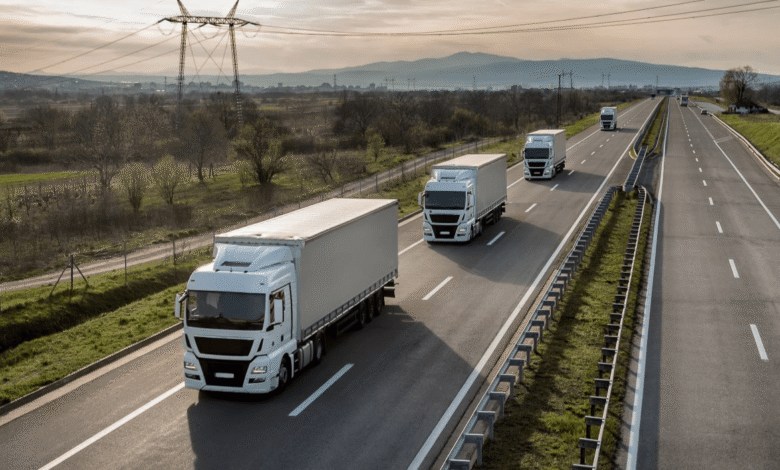
Transporting vendor supplies safely is one of the most critical aspects of running a successful operation. Whether you’re hauling equipment to a trade show, delivering goods to clients, or moving inventory between locations, how you transport your supplies can make or break your business. Damaged goods mean lost revenue, delays, and frustrated customers.
Here are five practical tips to keep your vendor supplies protected every step of the way.
1. Choose the Right Trailer for Your Cargo
Not all trailers are built the same, and using the wrong one can lead to damaged goods or safety hazards on the road. For vendor supplies, an enclosed cargo trailer is often the smartest choice. Unlike open trailers, enclosed options protect your goods from weather, road debris, and theft.
When selecting a trailer, consider the size and weight of your supplies. Pay attention to the Gross Vehicle Weight Rating (GVWR) to ensure the trailer can safely handle your load. Vendors in Utah can browse a wide selection of cargo trailers for sale in Utah to find the right fit for their hauling needs.
2. Secure Your Load Properly
Even the sturdiest trailer won’t protect your supplies if they’re not secured correctly. Shifting cargo is one of the leading causes of both road accidents and damaged goods. Use high-quality tie-down straps, ratchet straps, or cargo nets to keep items firmly in place. For heavier equipment, consider using D-rings or slide-track systems built into the trailer floor for additional anchoring points.
A good rule of thumb: if something can move, it will move. Always double-check your load before departing and after your first few miles on the road.
3. Distribute Weight Evenly
Uneven weight distribution puts unnecessary stress on your trailer’s axles, tires, and hitch. It can also make your vehicle harder to control, especially when braking or turning. Aim to place heavier items low and toward the front of the trailer, near the hitch. Lighter items can go toward the rear.
Keep weight balanced from side to side as well. A trailer that’s heavier on one side can sway at highway speeds, creating a dangerous situation for both you and other drivers.
4. Inspect Your Trailer Before Every Trip
A pre-trip inspection takes just a few minutes and can prevent breakdowns, accidents, and costly damage. Before every haul, check the following:
- Tires: Look for proper inflation and signs of wear or damage
- Lights: Confirm brake lights, turn signals, and running lights are all functional
- Hitch and coupler: Ensure the connection is secure and the safety chains are properly attached
- Brakes: Test trailer brakes if your trailer is equipped with them
- Doors and latches: Make sure all entry points are locked and sealed
If you’re using your trailer frequently, schedule regular maintenance checks with a qualified mechanic as well.
5. Plan Your Route in Advance
Road conditions, low bridges, sharp turns, and steep grades can all pose challenges when towing a loaded trailer. Before hitting the road, research your route and look for any potential obstacles that could cause issues. GPS apps that support vehicle and trailer dimensions can be particularly helpful here.
Also factor in longer stopping distances when towing. A fully loaded trailer significantly increases your vehicle’s braking distance, so allow extra space between you and other vehicles, especially on highways.
Taking the time to plan ahead means fewer surprises and a smoother delivery from start to finish.
Safe transport is a non-negotiable part of any vendor operation. A reliable, well-suited trailer goes a long way toward protecting your supplies and your business. Whether you’re just starting out or looking to upgrade your current setup, finding the right enclosed cargo trailer is the first step toward safer, more efficient hauling.