
The name William Haggas is firmly embedded in the fabric of British and international flat racing. Over several decades, he has built a reputation as one of the most consistent, respected, and quietly influential racehorse trainers of the modern era. Known for his meticulous approach, patience with horses, and ability to compete at the highest level year after year, William Haggas represents the balance between traditional horsemanship and modern racing professionalism. This article explores the life, career, training philosophy, achievements, and enduring influence of William Haggas, providing a comprehensive look at why his name continues to command respect across the global racing community.
Early Life and Entry Into Racing
William Haggas was born on 23 August 1960 in England. Unlike some trainers who grow up surrounded by generations of racing professionals, Haggas entered the sport through passion and opportunity rather than inheritance. His early exposure to horse racing sparked an interest that would quickly turn into a lifelong vocation.
Haggas learned his craft through hands-on experience, working in racing yards and absorbing the fundamentals of horse care, conditioning, and race planning. These formative years shaped his philosophy: success in racing is built on patience, consistency, and an unwavering commitment to the horse’s welfare.
Establishing Somerville Lodge Stables
One of the most defining milestones in William Haggas’s career was taking charge of Somerville Lodge Stables in Newmarket. Newmarket, often referred to as the global headquarters of flat racing, is home to many elite trainers. Establishing himself there placed Haggas in direct competition with some of the biggest names in the sport.
Somerville Lodge became synonymous with professionalism and reliability. Rather than expanding rapidly, Haggas focused on building a stable that prioritized quality over quantity. This approach allowed him to give individual attention to each horse, an ethos that remains central to his operation today.
Training Philosophy and Methods
William Haggas is widely admired for his calm, analytical, and horse-first training philosophy. He is not known for chasing headlines or aggressively campaigning young horses before they are ready. Instead, he emphasizes:
- Allowing horses to develop at their own pace
- Selecting races carefully rather than frequently
- Prioritizing long-term soundness over short-term gains
This methodical approach has resulted in horses that often improve with age and perform consistently at elite levels. Many owners value Haggas not only for results but for the longevity he brings to their horses’ careers.
Breakthrough Success and Major Victories
The career of William Haggas is defined by sustained excellence rather than a single breakthrough moment. Over the years, he has trained winners at virtually every major British race meeting, including Royal Ascot, the Epsom Festival, and Glorious Goodwood.
His horses have also excelled on the international stage, capturing major races in Europe, North America, and the Middle East. These victories elevated his reputation beyond Britain, positioning him as a trainer capable of preparing horses for varying conditions, surfaces, and competitive environments.
Relationship With Owners and Jockeys
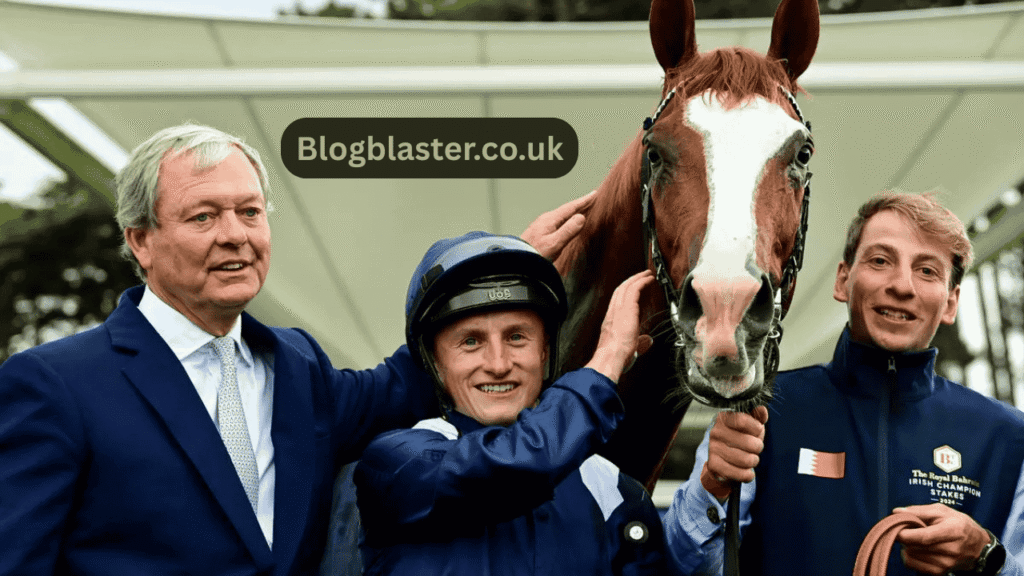
A key factor behind William Haggas’s success is his ability to form strong, long-term relationships. Owners appreciate his transparency, honesty, and realistic expectations. He is known for clear communication, ensuring that owners understand both the potential and limitations of their horses.
Similarly, Haggas maintains productive partnerships with leading jockeys. His collaborative approach ensures that jockey feedback is integrated into training decisions, creating a seamless connection between the gallops and the racecourse.
Family and Personal Life
William Haggas’s personal life is closely intertwined with racing. He is married to Maureen Haggas, the daughter of legendary jockey Lester Piggott. While this connection links him to one of racing’s most famous families, Haggas has always forged his own path, earning success on merit rather than reputation.
Despite operating at the highest level, Haggas is known for his reserved and grounded personality. He avoids unnecessary publicity, preferring to let results speak for themselves.
Adaptation in a Changing Racing Industry
The modern racing industry is shaped by evolving technology, data analysis, and global competition. William Haggas has demonstrated an ability to adapt without compromising his core principles. He embraces advancements in veterinary care, nutrition, and performance monitoring while maintaining traditional horsemanship values.
This balance has allowed him to remain competitive across multiple decades, a rare achievement in an industry where trends and methods change rapidly.
Influence on British Racing
Beyond winners and trophies, William Haggas’s influence can be seen in the broader culture of British racing. Younger trainers often cite his career as an example of how consistency, patience, and integrity can lead to long-term success.
His stable has also provided opportunities for aspiring jockeys, stable staff, and racing professionals, contributing to the development of talent across the industry.
Challenges and Resilience
Like all trainers, William Haggas has faced challenges, including injuries to horses, tough seasons, and the pressures of elite competition. What distinguishes him is resilience. He approaches setbacks analytically rather than emotionally, using them as learning opportunities rather than deterrents.
This mindset has helped him navigate both professional and personal challenges while maintaining a stable presence at the top of the sport.
Legacy and Continuing Impact
As his career continues, William Haggas’s legacy is already firmly established. He represents a model of sustainable success in horse racing, proving that it is possible to compete at the highest level without sacrificing ethics, patience, or professionalism.
Future generations of trainers and owners will likely look to his career as a blueprint for building a respected and enduring racing operation.
Conclusion
In the world of flat racing, William Haggas stands as a symbol of consistency, class, and quiet excellence. From his early days learning the fundamentals of horsemanship to his current status as one of Britain’s leading trainers, his journey reflects dedication to the sport and deep respect for the horse.