What Middle Eastern Spices Bring Most Flavour to Dishes
Middle Eastern Flavours: Spices That Build Depth

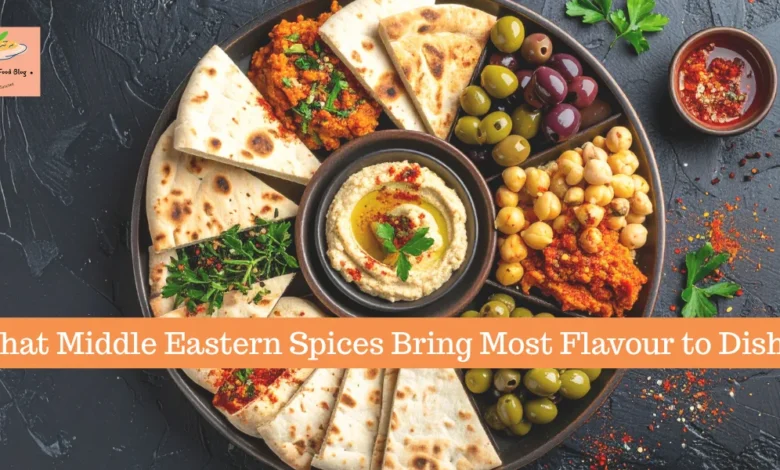
Middle Eastern spices like cumin, sumac, and za’atar bring the most flavor because they balance warmth, tang, and earthiness in ways other cuisines don’t. They’re the foundation of every dish, and honestly, once you understand how to use them, your cooking changes completely.
We’ve seen traditional cooks toast whole cumin seeds first, then add smoked paprika near the end to keep its smokiness intact. That’s the Mediterranean way of building flavor. And it’s something we’re excited to share at zaytoonsrestaurant.com with anyone who wants to cook more authentic Middle Eastern recipes.
In this guide, you’ll learn which spices define Mediterranean cooking, how olive oil transforms these flavors, and simple recipes to get started. By the end, you’ll know exactly how to make your meals taste as if they came straight from a Greek island kitchen.
Let’s get started
What Makes Middle Eastern Flavours So Rich?
The secret rich flavours of Middle Eastern cooking come from combining quality olive oil with layered spices that build on each other instead of competing.
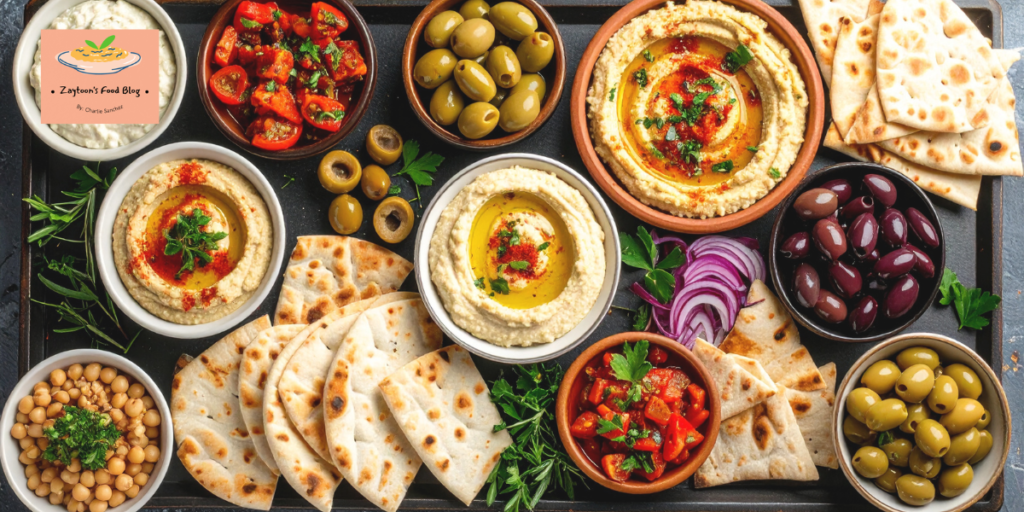
Do you want to know how they work? Well, then let’s have a look at the subsections:
The Role of Olive Oil in Mediterranean Recipes
High-quality olive oil isn’t just for cooking. Instead, it carries spices better than butter because of its coating capabilities. When you drizzle it over hummus or use it to sauté garlic and onions, those fruity notes from the oil blend with your seasonings to create something way more delicious.
Sometimes, drizzling it raw over finished meals preserves delicate flavors that cooking would destroy. Think about Greek salad with fresh tomatoes and cucumbers, where the olive oil isn’t cooked at all. But you still taste the actual flavour along with the lemon and herbs.
Generally, Mediterranean cooks from Greece to other Mediterranean countries use olive oil generously. Because it creates a signature-rich taste you only get in authentic Mediterranean cuisine.
Layering Spices Creates Depth
Did you know toasting whole spices like cumin and coriander before grinding releases oils? Well, it makes flavors way more intense. A dry pan, medium heat, maybe two minutes, and suddenly your cumin smells nutty instead of dusty.
Adding spices at different cooking stages also builds depth rather than one flat note. For instance, some spices like cinnamon and pepper go in early when you’re cooking rice or sautéing onions. Others, like smoked paprika, are added near the end so they don’t burn.
Beyond these, combining warm and bright spices creates a balance you can’t get from one alone. Naturally, cumin brings earthiness, but you can pair it with a squeeze of lemon juice or sumac to create completeness.
Core Spices That Define Mediterranean Cooking
Generally, four spices show up in nearly every dish we grew up with. If you walk into any kitchen across Mediterranean countries, you’ll find the same spices sitting right on the counter, ready to go anytime.
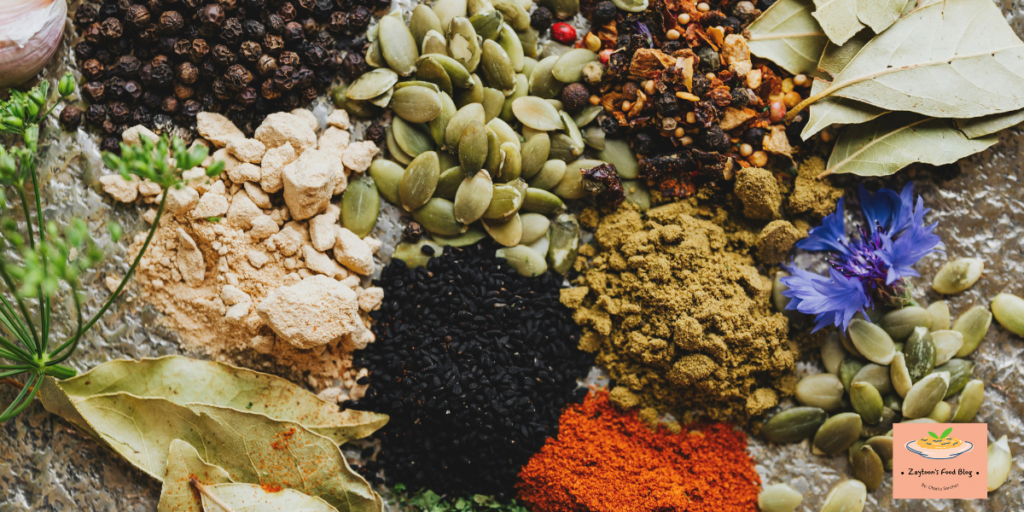
Here’s what each one brings to your meals:
Cumin and Coriander Build the Base
These two spices show up in nearly every Middle Eastern dish because they’re earthy without being overpowering. Cumin adds warmth while coriander brings slight citrus notes, which make them a perfect cooking duo.
After years of toasting spices with family in the kitchen, we learned that heating cumin and coriander together in a dry pan before using them changes everything. The heat wakes up oils you didn’t even know were there.
Sumac Adds Bright Tangy Notes
Believe it or not, this deep red spice tastes like lemon without any moisture. It also works perfectly on grilled meats where you want tang but not extra liquid. Besides, sprinkling sumac on dishes like fattoush salad or over hummus adds a tartness you’d only find on a Greek island.
This spice balances heavier dishes by slicing through richness with its fruity acidity, just like lemon juice does for Greek salad with olives and feta cheese.
Smoked Paprika Brings Depth
Unlike regular paprika, the smoked version adds complexity that makes simple recipes taste restaurant-quality (and yes, regular paprika just doesn’t cut it the same way). It also gives grilled chicken and roasted vegetables like eggplant or bell pepper a char flavor without burning them.
Quick tip: Just a little bit of paprika goes a long way, so start with half a teaspoon and build up from there.
Za’atar Blends Everything
This herb and spice mix combines thyme, sesame seeds, and sumac into one powerhouse seasoning. Sometimes, try mixing za’atar with olive oil. It will create a dip for warm pita bread, which is completely addictive.
On top of that, sprinkling za’atar on vegetables before roasting makes even basic sides taste special. Zucchini, eggplant, onions, whatever you’ve got, toss them with olive oil and za’atar. Boom! You’ve got something that belongs in any authentic Mediterranean recipes collection.
Simple Mediterranean Recipes to Start With
The best part about Mediterranean cooking is that you don’t need fancy techniques to make something delicious. The three recipes below use the spices we just covered and show how simple they are to use at home.
Greek Salad with Fresh Herbs
To make a proper Greek salad, add chopped cucumbers, fresh tomatoes, and red onion with good olive oil. Then, add oregano and a squeeze of lemon juice to bring the sweetness in ripe summer vegetables. Here, the acidity balances the richness of the oil perfectly.
After that, add crumbled feta cheese and kalamata olives to convert this generic Greek salad into something crave-worthy. At last phase, toss in some parsley, and you’ve got one of those authentic Mediterranean recipes that works as a side or main.
Grilled Chicken with Middle Eastern Spices
Let’s be honest here, marinating actually makes a real difference in taste. That’s why rub chicken thighs with cumin, coriander, and smoked paprika before grilling. It gives a smoky, spiced crust everybody loves.
Beyond that, serving it with yogurt sauce and warm pita bread makes a meal that tastes like you’re on a Greek island.
But if you want a complete Mediterranean dinner, just add some grilled bell pepper and onions on the side. Then serve it with rice or a simple salad.
Useful tip: Marinate for at least two hours so all spices can really penetrate the meat. Because the longer you wait, the more flavor you get when you cook it.
Warm Pita Bread from Scratch
Making pita bread at home only requires flour, yeast, salt, and water (and nothing fancy).
During cooking, you’ll notice the dough puffs up in a hot oven, creating a few pockets. We know everyone loves to stuff this pocket with grilled chicken, falafel, or hummus.
Based on countless attempts at getting homemade pita just right, the trick is making sure your oven is really hot (around 475°F) before the dough goes in. Because steam generated from that temperature puffs up the bread into those fresh pita pockets.
Does the Mediterranean Diet Help with Weight Loss
Yes, the Mediterranean diet helps with weight loss because it emphasizes whole foods and healthy fats that keep you full longer.
Now, let’s see what makes Mediterranean food a proper diet meal:
- Whole Foods Keep You Satisfied: The Mediterranean diet focuses on vegetables, legumes, olive oil, and fresh ingredients instead of processed junk. Plus, they also centre on grilled chicken, rice, beans, and Greek salad, which provide filling, nutrient-dense combinations.
- Weight Loss Happens Steadily: People following this eating pattern tend to lose weight without feeling deprived. It means you’re still enjoying delicious meals with chicken, fish, hummus, falafel, and plenty of vegetables. Remember, the Mediterranean lifestyle provides quality food rather than restricting you.
- Gluten Free Options Come Naturally: Many Mediterranean recipes skip heavy grains and rely on rice and fresh produce as bases. This way, instead of pasta at every meal, you’re building dinners around grilled chicken with bell pepper, roasted eggplant, or falafel served with salad. These authentic Mediterranean recipes work perfectly for gluten-free meal plans.
- Long-Term Success Is Built In: Basically, the Mediterranean way includes eating patterns you can stick with for your whole life. Just add olives, feta cheese, lemon juice, and fresh herbs to your meals, and you’ve got complete dinners that support weight loss goals.
Bottom line: From today, start with simple Mediterranean diet recipes, use quality olive oil, and you’ll see why this approach actually works for weight loss.
Spice Up Your Kitchen the Mediterranean Way
Middle Eastern spices and Mediterranean cooking don’t require fancy skills or hard-to-find ingredients. Start with quality olive oil, grab cumin, sumac, smoked paprika, and za’atar, and you’re already halfway there. These spices convert simple recipes into meals with real flavor and depth.
Try one of the Mediterranean recipes we covered: even if it’s Greek salad, grilled chicken, or fresh pita bread. Because the more you cook with these seasonings, the more natural it will become to layer flavors.
Your kitchen is about to smell a whole lot better with these spices. Just go and cook something delicious.