A is one of the most important documents in any UK tenancy, recording the property’s condition at the start and end. It provides a clear, legally recognised record covering everything from paintwork and flooring to fixtures and appliances. Without it, landlords risk losing deposit disputes, while tenants may face unfair deductions. For anyone involved in residential property management UK, maintaining accurate reports is essential under evolving 2026 legislation.
The Renters’ Rights Act 2025 has introduced major changes to the private rented sector, making documentation more important than ever. This guide explains what a property condition report includes, when it is used, and how it protects all parties.
What Is a Property Condition Report and What Does It Include?
A property condition report is a formal document that records the state of a rental property at a specific time. It is usually prepared before a tenant moves in and again when they move out. It provides evidence for deposit deductions, maintenance disputes, and legal disagreements between landlords and tenants.
A comprehensive report should cover the following areas:
- Room-by-room condition of walls, ceilings, floors, and windows
- State and cleanliness of all kitchen appliances and fixtures, including the inside of ovens and washing machines
- Condition of all furniture and soft furnishings if the property is let furnished
- Photographs with date stamps for every room and key item
- Meter readings for gas, electricity, and water are taken on the same day
- Identification and test results for all smoke and carbon monoxide alarms
- Reference to safety certificates such as the Gas Safety Certificate and Electrical Installation Condition Report (EICR)
- A terms and conditions section covering tenant obligations at the end of the tenancy
Any existing maintenance issues, such as a leaking tap or faulty flush, must be clearly recorded in the report. This helps prevent disputes between landlords and tenants later. Experienced inventory clerks usually take one to four hours to complete a detailed report, depending on property size.
Why a Property Condition Report Is Central to UK Deposit Disputes
In the UK, any deposit taken under an assured shorthold tenancy must be protected in a government-approved scheme within 30 days. This is a legal requirement that landlords must follow to remain compliant. If a dispute arises at the end of the tenancy, the scheme’s adjudicator reviews evidence from both sides. The property condition report becomes the key piece of evidence in deciding the outcome.
The burden of proof rests firmly with the landlord. Without a detailed check-in and check-out report, landlords are unlikely to succeed in retaining any portion of the deposit. Deposit scheme adjudicators often rule against landlords and agents due to weak or insufficient evidence. They also lose disputes when they fail to properly account for fair wear and tear.
Common reasons landlords claim deposit deductions include:
| Category | Examples | Claimable? |
| Cleaning | Oven grease, mould on bathroom tiles, and unclean carpets | Yes, to the move-in standard |
| Damage | Broken furniture, holes in walls, cracked tiles | Yes, less fair wear and tear |
| Missing items | Removed furniture, lost keys, and missing appliances | Yes, like-for-like basis |
| Fair wear and tear | Faded paint, worn carpets from normal use | No, not claimable |
| Structural issues | Roof repairs, damp from building defects | No, landlord’s responsibility |
Experienced property managers UK always conduct an independent check-in and check-out report with photographic evidence. An independent report not prepared solely by the landlord carries significantly greater weight with adjudicators than a self-completed document.
How to Create a Legally Sound Property Condition Report
Producing a reliable property condition report requires both thoroughness and consistency. Below is a structured process to ensure your report holds up legally.
Step 1: Use a Structured Template
Use a room-by-room template that covers every area of the property. The NRLA offers a tenancy inventory template that landlords can use as a starting point. Every item must be described with its current condition, noting any pre-existing damage clearly.
Step 2: Take Date-Stamped Photographs
Digital photographs are preferred by deposit scheme adjudicators because they carry embedded metadata, including the date and time. Photograph every room, all appliances, inside cupboards, and any pre-existing marks or damage. A short video walkthrough can also provide powerful supplementary evidence.
Step 3: Record Meter Readings
Note gas, electricity, and water meter readings at both check-in and check-out. This protects both parties from disputes over utility bills and confirms the exact date of the inspection.
Step 4: Have Both Parties Sign the Report
The tenant must review and sign the report at move-in. This confirms they agree with the documented condition and removes ambiguity later. If a tenant disagrees with any element, their comments should be recorded within the report itself, not ignored.
Step 5: Commission an Independent Inventory Clerk
While landlords can complete their own reports, an independent inventory clerk adds credibility. Deposit scheme adjudicators treat independently produced reports as more reliable than those prepared solely by the landlord. This is a worthwhile investment, particularly for higher-value properties or long tenancies.
The Check-Out Report: Comparing Conditions at the End of a Tenancy
A check-out report is conducted when the tenant vacates the property. Its purpose is to compare the property’s condition against the original check-in documentation, accounting for any changes during the tenancy period.
When producing the check-out report, landlords or their agents should:
- Conduct the inspection with the tenant present wherever possible, so issues can be discussed in real time
- Compare each item directly against the check-in report and photographs
- Clearly distinguish between fair wear and tear and actual damage; the two are not interchangeable
- Take new date-stamped photographs of every area showing any changes
- Record detailed descriptions of any damage, including potential cause and approximate cost to remedy
- Provide the tenant with a written summary within 10 days of the tenancy ending
The 10-day window matters. Landlords must make tenants aware of any proposed deposit deductions within this period. If the tenant disputes the proposed deductions, the case moves to the deposit scheme’s dispute resolution service. An independent adjudicator then reviews the evidence and makes a binding decision.
Property Condition Reports Under the Renters’ Rights Act 2025
The Renters’ Rights Act 2025 fundamentally changes how landlords and tenants manage the end of a tenancy. With Section 21 evictions abolished from 1 May 2026, landlords must rely on Section 8 grounds to regain possession. This requires strong evidence, including a well-maintained property condition report.
Key implications of the Act for condition reporting include:
- Compulsory PRS registration increases transparency, making proper documentation even more important
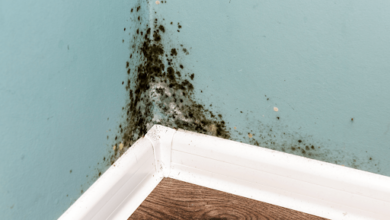
- Awaab’s Law requires landlords to fix health hazards within set timeframes. Condition reports document issues like damp or mould and actions taken.
- The Decent Homes Standard now applies to private rentals, and condition reports show landlords maintain properties to the required baseline.
- With rolling periodic tenancies replacing fixed terms, landlords must conduct regular inspections and keep documented reports to track property condition.
Landlords who invest in thorough condition documentation are better prepared for possession proceedings. This also helps ensure compliance during audits as the Act is enforced.
A Valuable Point Landlords Often Miss: Mid-Tenancy Condition Checks
Many landlords only prioritise check-in and check-out reports. However, mid-tenancy inspections are equally important and often overlooked. Conducting periodic checks every three to six months helps identify issues before they become costly. Mid-tenancy inspections must be scheduled in writing, providing tenants reasonable notice, usually at least 24 hours under standard agreements. The inspection should be brief, focused, and documented with a short written summary and photographs.
Periodic inspections allow landlords to address issues promptly, showing compliance with repair obligations under the Landlord and Tenant Act 1985. This proactive approach also reduces the risk of major deposit disputes at tenancy end. Digital property management platforms let landlords store inspection reports, photos, and communications in a single, auditable record. This provides a major advantage when presenting evidence to deposit scheme adjudicators or during possession proceedings.
Conclusion
A property condition report is not a formality but the foundation of a fair, transparent, and legally defensible UK tenancy. It protects a landlord’s right to recover legitimate deposit deductions and safeguards a tenant’s right to a full refund after a well-maintained tenancy. From May 2026, under the Renters’ Rights Act 2025, landlords with verified condition reports can better handle disputes and compliance. Whether managing a single property or a portfolio, investing time in a detailed condition report is always worthwhile.
Frequently Asked Questions
1. Is a property condition report a legal requirement in the UK?
A property condition report is not a standalone legal requirement, but it is effectively essential for landlords wishing to make deposit deductions. Without a documented check-in report, adjudicators lack a baseline to assess the property’s condition at tenancy end. As a result, deposit claims are often rejected.
2. Who should prepare the property condition report?
Either the landlord, a letting agent, or an independent inventory clerk can prepare the report. However, independent reports carry greater credibility with deposit scheme adjudicators. Using an independent inventory service is strongly recommended for furnished properties or any tenancy where significant deposit disputes might arise.
3. How long should a property condition report be kept?
Landlords should retain the report for the full duration of the tenancy plus a minimum of six years after the tenancy ends. This covers any potential legal claims related to the tenancy and aligns with standard document retention guidance in UK property law.
4. Can a tenant dispute the property condition report at check-in?
Yes. Tenants have the right to flag any disagreements with the condition report at the time of signing. Their comments must be recorded within the document itself. Tenants should take move-in photographs as extra evidence, especially to record any pre-existing damage for formal documentation.
5. Does fair wear and tear affect the property condition report?
Absolutely, UK tenancy law implies that landlords cannot claim deposit deductions for damage caused by normal, reasonable use of the property. This includes faded paintwork, light scuffs on walls, or carpet wear near doorways over a long tenancy. The check-out report must clearly distinguish between fair wear and tear and actual damage caused by the tenant.
6. What happens if there is no check-in report and a dispute arises?
Without a check-in report, the landlord has no documented baseline for the property’s condition at the start of the tenancy. In such cases, deposit scheme adjudicators usually return the full deposit to the tenant, regardless of the property’s condition.This is one of the most common and avoidable reasons landlords lose deposit disputes.