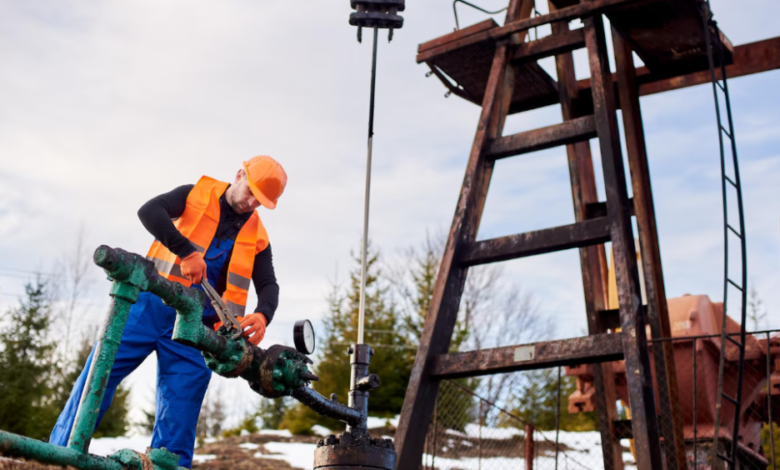
In the case of oil and gas wells, long-term stability is something you are always worried about.
Over time, pressure changes, formation movement, and corrosion may loosen the well structure. Even minor design or material problems may cause casing failure, leakage, or expensive downtime. These risks tend to get even higher with the age of wells and their work in varying conditions.
Here, API-designed steel casing is needed to ensure structural integrity throughout the well lifecycle. It offers uniform strength, pressure resistance, and shielding against external forming forces. This, in turn, assists you in keeping stable production and minimizing long-term operational risk. It also standardizes performance in various well environments and depths.
This article discusses the functional roles of API casing to maintain the stability of wells over long periods of time.
1. Maintains Wellbore Structural Strength
Installation of API casing reinforces the wellbore against pressure from the surrounding formations. This support is used to avoid collapses in the weak or unstable geological areas. It also distributes mechanical stress throughout the entire depth of the well, thereby minimizing the possibility of localized damage.
This structural support is even more significant as the drilling progresses deeper to ensure that the borehole is maintained in the right shape. In their absence, the well structure is likely to deform easily in high-pressure conditions and cause severe operational problems.
Casing also gives a steady platform for all subsequent drilling and production. In the long run, such stability guarantees safer drilling, easier completion, and stable production. It also enables the passage of tools and equipment through the well without being obstructed or causing malfunction.
2. Controls Pressure for Stable Well Performance
The API casing assists in the control of the pressure difference between the well interior and the formations around it. This equilibrium is significant as it avoids uncontrolled fluid flow that may influence the stability of the well. With pressure kept within limits, the chance of blowouts, leaks, and formation collapse is significantly lower.
When drilling takes place deeper, pressure conditions typically increase. These environments may also subject the well structure to a lot of stress due to sudden pressure changes. Effective casing selection aids the well in sustaining these variations without compromising its strength and integrity.
Moreover, casing promotes a stable movement of oil and gas by minimizing the pressure-related stress on the system. This makes operations run in a more efficient manner. Therefore, efficient pressure management helps in promoting safer, more stable, and predictable well behavior during the entire life of operation.
3. Prevents Corrosion Damage Over Time
Corrosive elements like water, gas, and chemicals can slowly weaken well materials over time. This risk is mitigated by API casing through the use of steel grades that are specific to various downhole conditions. These materials are well chosen to cope with long exposures without compromising their strength and performance.
Protective coatings are also used in most instances to enhance resistance to surface damage and harsh environments. This additional coating slows down corrosion, and the casing remains in better condition. It also helps internal flow to be smoother because of the decreased buildup and scaling inside the pipe.
With time, this shield minimizes the frequent maintenance, repair, or replacement requirements. Therefore, performance remains stable, safe, and reliable throughout its entire working life.
4. Supports Effective Cement Bonding and Isolation
Casing provides the base required for proper cement placement inside the wellbore. Once cement is pumped around it, a strong bond forms between steel casing and surrounding rock layers. This bond helps create clear separation between different pressure zones in the subsurface.
This separation is important because it prevents unwanted fluid movement between formations. It also protects production zones from contamination that can reduce overall well efficiency and performance.
When casing maintains its strength, the cement sheath remains stable under changing pressure and temperature conditions. This stability allows the cement to continue doing its job over the full life of the well without failure.
Together, casing and cement work as a single system that improves zonal isolation. This system supports safer operations, better pressure control, and long-term well integrity without the need for frequent intervention or repair work.
5. Improves Long-Term Operational Efficiency
A stable casing system reduces disruptions throughout the well lifecycle. When structural strength and pressure control remain consistent, the need for maintenance drops over time. This helps you avoid frequent shutdowns or corrective work that can slow production and affect output levels.
It also supports smooth use of modern drilling and production tools. Equipment can move through a stable wellbore without damage or resistance, which reduces operational risks in daily field activities. At the same time, it helps crews work more efficiently with fewer interruptions.
Over time, this stability improves production consistency and overall well performance. It also helps lower operating costs by reducing repair needs, downtime, and unexpected failures. As a result, the well stays productive for a longer period and delivers more reliable output across its full lifecycle.
Conclusion
API casing plays a central role in maintaining long-term well stability by supporting structure, pressure control, corrosion resistance, and zonal isolation. Each of these functions works together to ensure the well remains stable under demanding conditions. When properly selected and installed, casing reduces operational risks and improves production reliability.
In the long run, it becomes a key factor in sustaining safe and efficient oil and gas operations. Understanding how it works helps you make better decisions for well design and long-term performance management.