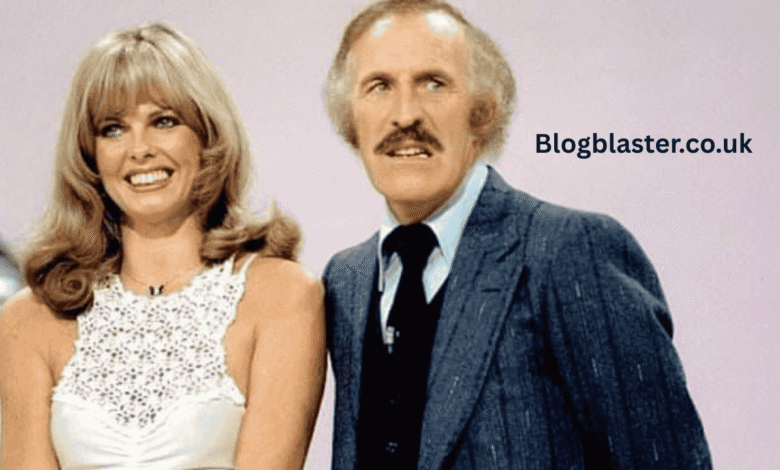
Anthea Redfern remains one of the most recognisable faces of 1970s British television—a decade defined by variety shows, glamour, and the rise of celebrity culture. Known primarily for her role as the glamorous assistant on The Generation Game, Redfern’s career spans far beyond a single show. She emerged as a successful fashion model, beauty queen, dancer, and television personality, and later chose a quieter, more private life after years in the public eye. Today, searches for Anthea Redfern continue to trend as viewers revisit classic British television and rediscover the icons who shaped popular culture. This detailed article explores her early years, rise to stardom, time on The Generation Game, her marriages—most famously to Bruce Forsyth—and her life after television. Whether you are researching for nostalgia, entertainment history, or biographical interest, this comprehensive guide covers everything you need to know.
Early Life and Background
Anthea Bernice Redfern was born on 15 April 1948 in Newton Abbot, Devon. Her upbringing was typical of a post-war British childhood, but her ambitions were not. From a young age, she showed a natural affinity for movement and expression, which led her into formal dance training. This would become her first doorway into the world of performance.
By the late 1960s, Redfern had evolved her talent for performance into a parallel interest in modelling. With classic English beauty—dark hair, expressive eyes, and an elegant frame—she quickly attracted attention in both the UK and Paris fashion scenes.
Her early years shaped a strong work ethic and an appreciation for glamour, both of which would serve her well as she transitioned into show business.
Modelling Career and Pageant Success
Before television fame, Anthea Redfern made her mark as a fashion model. She worked extensively in Paris and London, gaining experience that helped refine her stage presence and public persona.
One particularly notable part of her early journey was becoming a Playboy Bunny at the iconic Park Lane Playboy Club in London in 1969. Operating under the “bunny name” Sasha, she joined a roster of women who were poised, well-trained, and refined in social performance. The job was demanding and glamorous in equal measure, giving Redfern rare exposure that boosted her confidence in front of an audience.
In 1970, she entered the Miss London beauty pageant and won the title—an achievement that propelled her further into the national spotlight. This win also allowed her to compete in larger beauty competitions, including Miss United Kingdom, solidifying her status as a rising public figure.
Pageantry not only showcased her beauty but also her charisma, charm, and stage presence, traits that would become essential once she stepped onto the set of one of the BBC’s most beloved shows.
Breakthrough on The Generation Game
The most significant turning point in Anthea Redfern’s career came when she auditioned to be the assistant to show host Bruce Forsyth on the BBC television programme The Generation Game. Over fifty women reportedly auditioned for the role, but Redfern’s combination of elegance, professionalism, and audience appeal made her the standout choice.
Her presence on the show became iconic. The warm call of “Good game, good game!” from Forsyth was often followed by Redfern’s poised walk across the studio, revealing the contestants’ prizes or assisting in the comedic sketches that made the programme a national treasure. Her job was not merely decorative; she played a crucial supporting role in pacing the show, maintaining its energy, and adding glamour to the 1970s entertainment landscape.
For many viewers, Anthea Redfern became as recognisable as Forsyth himself. She represented a particular era of British television—one where variety shows, light entertainment, and studio audiences formed the backbone of Saturday-night viewing.
Relationship and Marriage to Bruce Forsyth
During her time on The Generation Game, Redfern and Forsyth’s professional chemistry evolved into a personal relationship. Their romance became one of the most high-profile entertainment stories of the era.
After Forsyth divorced his then-wife, Penny Calvert, he and Anthea married on 24 December 1973. As one of Britain’s most glamorous couples of the 1970s, their marriage attracted considerable media attention.
Together, they had two daughters, Charlotte and Louisa. While Anthea continued to appear on television, she gradually stepped away from constant public life as the demands of family life increased.
The couple divorced in 1982, but Redfern remained a respected public figure with a warm reputation among British audiences who had watched her blossom into a television personality.
Life After The Generation Game
After leaving The Generation Game, Anthea Redfern continued to work in television, though with less frequency than during her peak years. She appeared in programmes such as:
- Big Night (1978)
- Let’s Parlez Franglais (1984)
- Winton’s Wonderland (1998)
- and occasional guest appearances or specials in later decades
She also appeared in lifestyle and entertainment features, including a memorable appearance on Come Dine with Me, which reintroduced her to younger audiences who knew little of her 1970s fame.
Later Personal Life
Following her divorce from Bruce Forsyth, Redfern married hotelier Freddie Hoffman, with whom she had a daughter named India. That marriage later ended as well.
In the years that followed, Anthea chose to live a more private life. She spent significant time in Marbella, Spain, enjoying a slower pace and focusing on family.
Although she stepped away from the television spotlight, her name continues to draw interest, especially among fans of classic British TV and media historians. The nostalgia movement surrounding old television programmes has only increased public curiosity.
Why Anthea Redfern Remains a Pop-Culture Icon
Even decades after her major television career, Anthea Redfern remains a figure of intrigue. There are several reasons she continues to attract attention:
Nostalgia for 1970s British Television
The Generation Game was one of the most-watched shows of its time. For many viewers, Redfern represents a golden era of wholesome, family-friendly entertainment.
Glamour and Poise
Her modelling background and polished presence brought a sophistication to the programme that helped define its visual identity.
Association with Bruce Forsyth
As the wife of one of Britain’s most legendary entertainers, her name is permanently woven into the country’s entertainment history.
A Life of Reinvention
From dancer to model, beauty queen to TV star, high-profile wife to private figure—her journey reflects resilience, adaptability, and timeless appeal.
Anthea Redfern in the Digital Age
Today, the internet has renewed interest in personalities of the 60s, 70s, and 80s. YouTube clips of The Generation Game, documentaries on classic BBC programming, and online nostalgia communities regularly feature Redfern’s work.
Searches for Anthea Redfern rise during anniversaries of Forsyth’s career milestones, during repeats of old BBC programmes, or when lifestyle magazines publish retrospectives on iconic television women.
Her name also continues appearing in discussions about:
- women’s roles in early British television
- glamour and modelling history
- The evolution of televised variety entertainment
- celebrity culture of the 1970s
Legacy and Cultural Impact
Anthea Redfern’s legacy rests on more than just her beauty or her association with fame. She contributed to an era of British television that shaped national culture. She helped build the aesthetic and atmosphere of The Generation Game, which remains one of the BBC’s most beloved formats.
She also stands as a symbol of the shifting roles of women in entertainment. In a period where glamour often overshadowed talent, Redfern balanced both—bringing grace, timing, professionalism, and warmth to the screen.
Her influence can be seen in the assistants and co-hosts of later quiz and variety shows who followed a template she helped define.
Conclusion: The Enduring Interest in Anthea Redfern
More than fifty years after her rise to fame, Anthea Redfern remains a celebrated figure in British pop culture. Her journey—from Devon-born dancer to high-profile television personality—illustrates the dynamic nature of fame and the changing landscape of entertainment.
You May Also Read: Babs Powell: A Life in the Spotlight and Beyond