In today’s digital world, cyber threats have moved from being mere annoyances to highly sophisticated attacks that have the potential to bring down entire organizations. The challenge that every security expert faces is quite straightforward: how do you protect your critical assets from viruses and malicious code? The answer to this question is to develop a proactive cyber defence plan that is built around the use of high-quality Information Security Management System Software.
Understanding Proactive vs. Reactive Security
Reactive security methods are those that wait for an attack to happen before taking action to defend against it. The problem with this approach is that it ends up being very costly, resulting in data breaches, system downtime, and loss of reputation. Proactive security methods are those that anticipate an attack and take action to defend against it before it happens. Organizations that use proactive security methods end up with fewer successful breaches, lower costs of recovery, and better regulatory compliance. A proactive security plan involves careful planning and constant monitoring for emerging threats. Information Security Management System Software is the tool that helps an organization coordinate all these efforts.
How Can You Prevent Viruses and Malicious Code?
To effectively prevent viruses and malicious code, a multi-layered approach is required that integrates technology, processes, and people. On the technology front, implement next-generation antivirus solutions that use machine learning algorithms to detect malware based on behaviour, not just signatures. Endpoint detection and response solutions enable continuous monitoring and automated removal of malware threats.
Network segmentation helps contain malware by segregating mission-critical environments from general-purpose user networks. Email security gateways examine incoming emails for malicious attachments and phishing attacks before they are delivered to the end-user mailboxes. Web security solutions block access to known malicious websites, which helps prevent drive-by downloads and command and control communications.
Patch management is a very important preventive measure. Many malware attacks target known vulnerabilities in unpatched environments. To address this, implement automated patch management solutions to ensure that operating systems, applications, and firmware are updated with security patches as soon as they are available. Vulnerability scanning helps identify unpatched vulnerabilities before they are exploited by attackers.
Application whitelisting ensures that no unauthorized execution of applications takes place by allowing only trusted applications to run. This method is very effective in preventing malware from executing on the secured systems, even if it manages to evade other detection tools.
The human factor should never be ignored. Security awareness training is essential in educating users on how to identify phishing messages, avoid downloading suspicious files, and notify the IT department of possible security events. Phishing simulations are conducted to test the users’ awareness.
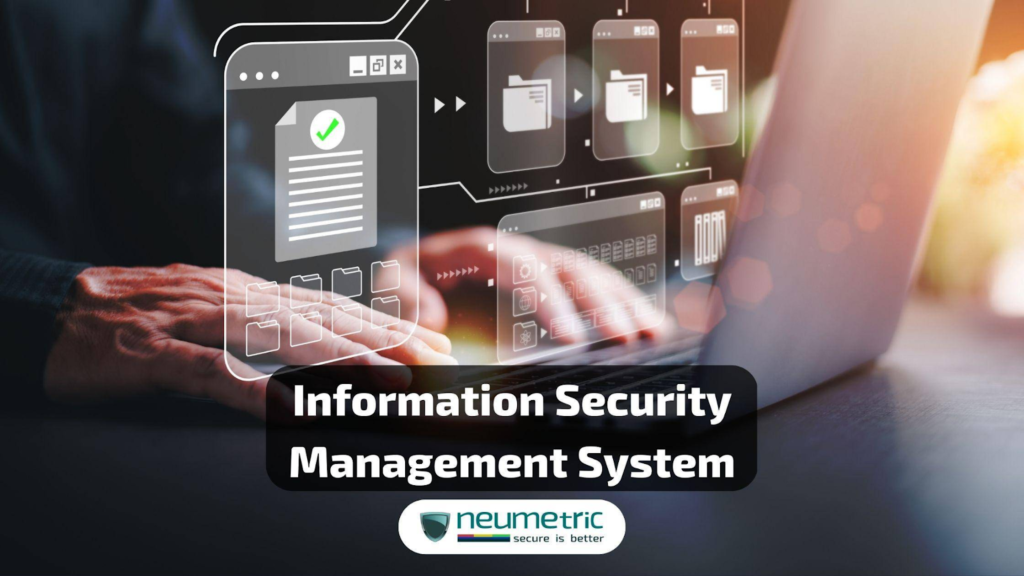
How to Implement Information Security Management System Software?
Information Security Management System Software combines various security processes into integrated systems that improve visibility, automate manual processes, and simplify compliance. These systems include risk assessment tools that allow organizations to systematically analyze and evaluate security risks.
Policy management tools support organizations to manage security policies and procedures from a central location. Employees can view the latest versions of security policies, confirm receipt of the policies, and automatically receive reminders for reviews of the policies.
Compliance management tools enable organizations to align security controls with regulatory standards such as GDPR, HIPAA, PCI DSS, and industry standards such as ISO 27001. Automated compliance reporting helps organizations demonstrate regulatory compliance and areas that need remediation.
Incident management tools help organizations to systematically detect, report, investigate, and resolve security incidents. The software integrates with Security Information and Event Management systems to automatically generate security incidents based on detected irregularities.
How to Manage Third-Party Risk Management?
Managing third-party vendor risks has become a necessity due to the growing reliance on third-party service providers and cloud services. Third-party supply chain attacks on trusted vendors are a major threat, and vendor security assessments have become a crucial part of any ISMS. It is necessary to assess the security practices of vendors, demand security commitments from vendors in contracts, and monitor third-party compliance on a constant basis. Information Security Management System Software helps in managing vendor risks by automatically sending questionnaires, assigning risk scores, and constantly monitoring vendor security posture to ensure that the security of the organization is not threatened by third-party relationships.
How to do Business Continuity and Disaster Recovery Planning?
An effective ISMS should include comprehensive business continuity and disaster recovery planning. These plans outline procedures for supporting business operations during cyber events and restoring systems following attacks. Testing disaster recovery procedures regularly helps verify the ability to recover from ransomware attacks or data corruption incidents without resorting to extortion payments or extended downtime.
Business impact assessments should inform disaster recovery plans that focus on supporting critical systems. Recovery time and recovery points inform technology investments and backup schedules. Using automated failover solutions and redundant infrastructure in different geographic locations helps prevent service disruptions during large-scale events. Information Security Management System Software can help manage disaster recovery activities, monitor disaster recovery progress, and record disaster recovery lessons learned.
How to Apply Threat Intelligence and Security Analytics?
Threat intelligence and security analytics play an important role in proactive cybersecurity defence strategies. By tracking new threats, vulnerability announcements, and attack trends unique to their industry, organizations can prepare for potential risks before they happen. Threat intelligence data helps configure security tools to prevent viruses and malicious code that target newly discovered vulnerabilities.
Next-generation security analytics solutions employ AI and behavioral analysis to identify anomalies that may point to potential breaches. These solutions set up baselines of normal network, user, and system behavior, then notify security professionals of anomalies that may indicate malicious activity. Today’s ISMS solutions include analytics dashboards that offer real-time insights into security posture, supporting data-driven decisions on resource allocation and control effectiveness.
How to Build Your Defence Strategy?
- By performing a risk assessment to determine high-value assets, possible threats, and existing vulnerabilities. Risks can then be prioritized by likelihood and potential impact, with the most valuable assets protected against the most likely threats.
- Security policies can be developed to conform to established standards such as NIST Cybersecurity Framework or ISO 27001.
- Technical security controls should be layered to provide redundancy and depth. It is impossible to protect against all threats using a single security control, and when multiple overlapping controls are used, even if some controls fail, the overall security system will still be intact.
- Continuous monitoring should be provided using Security Operations Centres or security service providers. Real-time threat detection and response will ensure that attackers have less time to operate in your environment undetected.
- Security controls should be tested periodically to ensure their effectiveness. Vulnerability assessments, penetration testing, and tabletop exercises can be used to test for weaknesses in security controls before attackers take advantage.
Conclusion
The development of an active cyber defence strategy is a commitment that needs resources and continuous effort. Information Security Management System Software is the technology that supports the coordination of security activities, risk management, and compliance. Through the use of multi-layered technical controls, strong processes, and security awareness, organizations can prevent viruses and malicious code from affecting their operations. It has been proven that proactive security is more cost-effective than responding to successful attacks, making it a business imperative in today’s environment.