Crystal Roof: Meaning, Types, Benefits, Materials, Installation, Cost and Modern Design Ideas

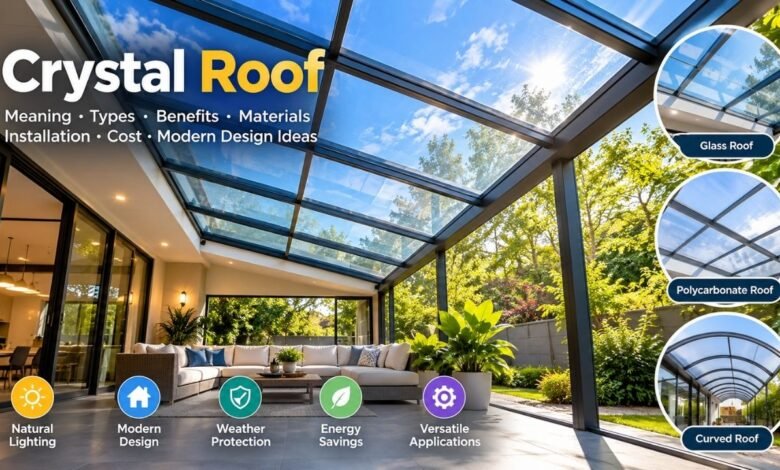
A crystal roof is an innovative roofing concept that combines modern architectural design, natural lighting, and practical weather protection. As homeowners and commercial property developers increasingly seek stylish, energy-conscious building solutions, transparent and translucent roofing systems have become popular for creating brighter, more attractive spaces.
Conventional roofing materials that block most natural sunlight, a crystal roof lets daylight into a building or outdoor living area. These roofing systems are typically made from glass, polycarbonate, acrylic, or other transparent materials that provide visibility while protecting against the elements.
Crystal roof designs are commonly used in residential patios, conservatories, greenhouses, shopping centers, swimming pool enclosures, and modern commercial buildings. Their ability to connect indoor and outdoor environments makes them an appealing feature in contemporary architecture.
However, choosing the right crystal roof requires understanding the materials, installation methods, maintenance requirements, and potential disadvantages. This comprehensive guide explores everything you need to know about crystal roofing, including its benefits, types, applications, costs, and future possibilities.
What Is a Crystal Roof?
A crystal roof is a transparent or semi-transparent roofing structure that lets in natural light while protecting the space beneath it from rain, wind, and other weather conditions.
The term generally describes the roof’s appearance rather than a single standardized building material. Crystal roofs may feature clear glass panels, transparent polycarbonate sheets, or acrylic materials that create an open and visually appealing atmosphere.
One of the main purposes of a crystal roof is to maximize natural lighting. Traditional roofs often require additional windows or skylights to introduce daylight into enclosed spaces. Transparent roofing systems, by contrast, let sunlight enter directly through the roof surface.
Crystal roofing can be installed over outdoor spaces such as patios, terraces, gardens, and walkways. It can also be incorporated into residential extensions and commercial structures to create architectural features that emphasize brightness and openness.
Modern crystal roof systems are available in different shapes, sizes, colors, and thicknesses, allowing designers to adapt them to various architectural requirements.
History and Development of Crystal Roof Technology
The concept of transparent roofing dates back centuries. Glass-covered structures became especially prominent during the development of conservatories, botanical gardens, and exhibition halls.
During the nineteenth century, advances in glass manufacturing and metal construction made it possible to build larger transparent structures. One famous historical example was London’s Crystal Palace, constructed for the Great Exhibition of 1851. Although it was not an example of a modern commercial product called a crystal roof, its glass-and-iron design demonstrated the architectural possibilities of extensive transparent surfaces.
Over time, improvements in construction technology introduced alternative materials such as acrylic and polycarbonate.
These materials offered advantages that traditional glass could not always provide, including reduced weight, improved impact resistance, and greater flexibility in certain applications.
Today, transparent roofing systems are used in everything from small residential patio covers to large commercial skylights. Developments in solar-control coatings, insulated glazing, and advanced plastic materials have expanded their design possibilities.
Different Types of Crystal Roof
Several types of crystal roofing systems are available, each offering different characteristics and applications.
Glass Crystal Roof
A glass crystal roof is one of the most visually attractive transparent roofing options. It creates a luxurious appearance and allows clear views of the sky.
Architectural glass roofs are commonly used in premium residential extensions, hotels, commercial buildings, and modern conservatories.
Safety glazing is especially important in overhead installations. Depending on the project, appropriately specified laminated glass, toughened glass, or insulated glazing units may be required.
Glass roofing can offer excellent clarity and a sophisticated appearance, but it is generally heavier than plastic alternatives and requires suitable structural support.
Polycarbonate Crystal Roof
Polycarbonate is a popular material for transparent roofing because of its impact resistance and relatively lightweight construction.
It is commonly used in patios, greenhouses, parking shelters, walkways, and other outdoor structures.
Polycarbonate roofing is available in solid and multiwall configurations. Solid sheets provide a glass-like appearance, while multiwall panels contain internal chambers that can improve thermal insulation.
UV-protected polycarbonate products can also help reduce harmful ultraviolet exposure beneath the roof.
Acrylic Crystal Roof
Acrylic roofing offers high optical clarity and a clean appearance. It is lighter than conventional glass and can be used in selected outdoor coverings and architectural glazing applications.
However, acrylic is generally more brittle than polycarbonate and can be more vulnerable to impact damage.
Choosing between acrylic and polycarbonate depends on factors such as appearance, weather exposure, structural requirements, and the possibility of accidental impacts.
Corrugated Crystal Roof
Corrugated transparent roofing uses sheets with a repeating wave-shaped profile.
The corrugated design helps improve panel stiffness and supports water drainage when installed at the appropriate roof pitch.
This roofing style is frequently used for garden sheds, outdoor walkways, patio coverings, and other lightweight structures.
Curved Crystal Roof
Curved crystal roofing creates a distinctive architectural appearance and can provide an elegant covering for larger spaces.
Certain polycarbonate panels can be cold-curved within manufacturer-approved limits, while curved glass usually requires specialized fabrication.
Curved transparent roofing is often seen in entrance canopies, public walkways, commercial buildings, and decorative architectural installations.
Materials Used in Crystal Roof Construction
The performance of a crystal roof depends significantly on the materials used during construction.
Glass: Glass provides excellent transparency, weather resistance, and an elegant appearance. However, it requires carefully engineered support and appropriate safety glazing.
Polycarbonate: Polycarbonate is lightweight, impact-resistant, and available in multiple designs. It is particularly suitable for applications requiring durable transparent panels.
Acrylic: Acrylic offers excellent clarity and relatively low weight. It can be an attractive choice where optical appearance is important and impact exposure is limited.
Aluminum: Aluminum is frequently used for supporting frames because of its low weight, corrosion resistance, and modern appearance.
Steel: Steel framing may be selected for larger installations requiring greater structural capacity.
Sealing materials: Compatible gaskets, sealants, flashing, and weatherproof joints help prevent water penetration and accommodate movement between roofing components.
The best material combination depends on the building’s location, weather conditions, intended use, and available budget.
Key Benefits of Installing a Crystal Roof
A crystal roof offers several practical and aesthetic benefits that make it an attractive architectural feature.
Increased Natural Lighting
One of the most significant advantages of crystal roofing is the amount of daylight it can introduce into a space.
Natural light makes interiors appear brighter and more welcoming. It can also reduce the need for artificial lighting during daylight hours.
Modern Architectural Appearance
Transparent roofing creates a contemporary visual effect that complements many modern building styles.
Whether installed above a terrace, garden seating area, or residential extension, a crystal roof can enhance the architectural character of a property.
Protection Against Weather
A properly designed crystal roof can protect outdoor living spaces against rainfall and certain other weather conditions.
This allows homeowners to enjoy patios, terraces, and covered seating areas in a wider range of weather conditions.
Connection With Outdoor Surroundings
Crystal roofing provides a stronger visual connection between interior environments and the outdoors.
People can enjoy views of the sky, surrounding trees, and natural daylight without being directly exposed to the weather.
Versatile Design Options
Crystal roofing systems are available in flat, pitched, curved, and corrugated designs.
Their flexibility allows architects and property owners to incorporate them into different residential and commercial projects.
Potential Lighting Energy Savings
Because transparent roofs allow daylight to enter a building, they may reduce electricity consumption associated with artificial lighting.
However, energy performance depends on glazing specifications, climate, shading, and solar heat gain. A poorly designed transparent roof can increase cooling requirements.
Disadvantages of Crystal Roof
Despite its many advantages, crystal roofing also presents some challenges.
Heat Gain During Summer
Transparent roofing can allow substantial solar radiation into the space beneath it.
In warm climates, this may cause overheating, particularly when large roof areas are exposed to direct sunlight.
Solar-control glazing, tinted panels, ventilation, and external shading can help manage this issue.
Regular Cleaning Requirements
Dust, leaves, bird droppings, and environmental pollution can accumulate on transparent roofing surfaces.
Because these materials are designed to transmit light, dirt may become more noticeable than it would on traditional roofing.
Condensation Problems
Condensation can develop when warm, moist air contacts a sufficiently cold surface.
Proper ventilation, insulation, drainage detailing, and suitable glazing systems can reduce condensation risks.
Material Scratching
Some plastic roofing materials are more susceptible to visible scratches than glass.
Homeowners should follow manufacturer recommendations and avoid abrasive cleaning methods.
Installation Complexity
Glass roofing, large transparent structures, and complicated roof shapes often require professional design and installation.
Incorrect installation can result in leaks, panel damage, poor drainage, or structural problems.
Crystal Roof vs Traditional Roofing
Crystal roofs and traditional opaque roofs serve different architectural purposes.
Traditional roofing materials such as metal sheets, concrete tiles, clay tiles, and asphalt shingles are designed primarily to provide weather protection and form part of the building envelope.
Crystal roofs add the additional benefit of natural light transmission.
| Feature | Crystal Roof | Traditional Roof |
|---|---|---|
| Natural lighting | High | Limited without skylights |
| Appearance | Transparent or translucent | Generally opaque |
| Privacy | Usually lower | Usually higher |
| Weather protection | Depends on system design | Depends on system design |
| Thermal performance | Varies widely | Varies widely |
| Maintenance | Regular transparent-surface cleaning | Material-dependent |
| Main applications | Patios, extensions, skylights | Main roof structures |
Neither option is universally better. The most appropriate roofing system depends on the intended use, environmental conditions, and architectural requirements.
Popular Applications of Crystal Roof
Crystal roofing can be used in numerous residential and commercial projects.
Residential Patios
Installing a crystal roof above a patio can create a comfortable covered area while maintaining natural sunlight.
Homeowners may use these areas for relaxation, dining, and social gatherings.
Greenhouses
Transparent roofing is essential for many greenhouse designs because plants require appropriate light levels for growth.
Polycarbonate and glass are commonly used in greenhouse construction.
Conservatories
Crystal roof designs are frequently associated with conservatories and garden rooms.
These structures provide additional living space with strong visual connections to the garden.
Commercial Buildings
Shopping centers, office complexes, hotels, and exhibition facilities may use transparent roofing to create bright interior spaces.
Large skylights and atrium roofs are especially common architectural applications.
Swimming Pool Enclosures
Transparent roofing can provide weather protection for selected swimming pool installations while preserving outdoor views.
Such applications require careful attention to condensation, ventilation, corrosion, and structural safety.
Walkways and Entrance Canopies
Crystal roof panels can also be installed above pedestrian walkways, building entrances, and transportation facilities.
These structures offer shelter without completely blocking natural daylight.
How to Install a Crystal Roof
Proper installation plays an important role in the durability, appearance, and safety of crystal roofing.
Evaluate the Installation Area
The first step is to inspect the proposed location and determine whether the existing building or support structure can accommodate the roofing system.
Important considerations include roof dimensions, drainage, wind exposure, and structural loads.
Select the Appropriate Material
The material should be chosen according to the project’s purpose, local climate, budget, and design requirements.
For example, polycarbonate may be suitable for lightweight patio coverings, while engineered glass systems may be preferred for premium residential extensions.
Design the Supporting Structure
A suitable frame must support the roof panels and the expected environmental loads.
Structural requirements vary depending on local building regulations, wind conditions, snow loads, and material characteristics.
Prepare Roofing Components
Panels should be measured and prepared according to the manufacturer’s instructions.
Cutting, drilling, handling, and edge protection requirements differ among glass, acrylic, and polycarbonate materials.
Install the Roof Panels
Panels are installed using compatible fixing systems, glazing supports, and approved fastening methods.
Correct spacing is particularly important for plastic roofing materials because they expand and contract with temperature changes.
Apply Weatherproof Sealing
Suitable seals, flashing, gaskets, and drainage details help prevent water penetration.
These components should be compatible with the selected roofing material.
Inspect the Completed Structure
The installation should be checked for secure connections, correct drainage, proper panel alignment, and potential leakage.
For structural glazing and other complex installations, qualified professionals should carry out the work.
Crystal Roof Cost and Pricing Factors
The cost of a crystal roof varies depending on its size, materials, supporting structure, and installation requirements.
A small polycarbonate patio covering may require a lower initial investment than a custom-designed architectural glass roof.
Several factors affect the final price:
- Roofing material and thickness
- Total roof area
- Supporting frame material
- Roof shape and design complexity
- Glazing safety requirements
- Thermal insulation and solar-control features
- Local labor and installation costs
- Drainage and waterproofing components
- Transportation and project location
Custom curved roofing, specialized glazing, and large unsupported spans can increase overall construction expenses.
For an accurate estimate, property owners should obtain quotations based on detailed measurements, structural requirements, and appropriate material specifications.
How Long Does a Crystal Roof Last?
The lifespan of a crystal roof depends on the material, environmental exposure, installation quality, and maintenance practices.
Architectural glass can remain functional for decades, although seals, coatings, insulated glazing units, and supporting components may require repair or replacement earlier.
Polycarbonate roofing durability depends on the product’s UV protection, thickness, quality, and exposure conditions.
Acrylic materials also have their own aging and weathering characteristics.
Instead of assuming that all transparent roofs have the same lifespan, homeowners should review manufacturer warranties, product specifications, and maintenance instructions before purchasing.
Crystal Roof Maintenance and Cleaning Tips
Regular maintenance helps preserve the appearance and performance of crystal roofing.
Clean the Roof Surface
Dust and debris should be removed periodically using cleaning methods approved for the material.
Soft cloths, gentle cleaning solutions, and clean water are often recommended for compatible surfaces.
Inspect Seals and Connections
Roof joints, flashing, and visible sealing materials should be checked for signs of damage or deterioration.
Early repairs can help prevent more serious water penetration problems.
Remove Leaves and Debris
Leaves and dirt may block drainage channels or collect near roof edges.
Keeping drainage areas clear helps maintain proper water movement.
Avoid Harsh Chemicals
Aggressive solvents and abrasive cleaning products can damage certain acrylic and polycarbonate surfaces.
Always follow the manufacturer’s cleaning instructions.
Arrange Professional Inspections
Large or elevated installations may require inspections by qualified roofing professionals.
Walking on transparent roofing panels can be dangerous and should not be attempted unless the structure is specifically designed and approved for access.
Modern Crystal Roof Design Ideas
Crystal roofing provides many opportunities for creative architectural design.
One increasingly popular approach is combining transparent roofing with minimalist aluminum frames. This creates clean lines and allows the roofing panels to become the main visual feature.
Another design option is using transparent panels above garden seating areas to create sheltered outdoor spaces.
Curved transparent canopies can create elegant entrances for hotels, offices, and residential properties.
For homes in warm climates, tinted or solar-control roofing panels may offer a better balance between daylight and thermal comfort.
Some projects also combine transparent roof areas with opaque or shaded sections to control sunlight while maintaining an open appearance.
The most successful crystal roof designs balance appearance with structural safety, drainage, thermal performance, and long-term maintenance.
Environmental Impact and Sustainability of Crystal Roof
Crystal roofing can contribute to sustainable building design when it is selected and installed appropriately.
Natural daylight may reduce reliance on artificial lighting, especially in spaces frequently occupied during the daytime.
However, sustainability depends on more than transparency.
A transparent roof that causes excessive indoor heating may increase air-conditioning demand and offset potential lighting savings.
To improve environmental performance, designers can consider insulated glazing, solar-control coatings, appropriate roof orientation, shading systems, and natural ventilation.
Material durability, repairability, manufacturing impacts, and responsible disposal also influence the overall environmental footprint of a roofing system.
Future of Crystal Roof Technology
Advances in construction materials and glazing technology are creating new possibilities for transparent roofing.
Modern developments include improved insulation systems, specialized solar-control coatings, and glazing products designed to manage light transmission more effectively.
Smart glazing technologies can adjust their optical properties under certain conditions, offering potential advantages for controlling daylight and solar heat.
Building-integrated photovoltaic glazing is another developing technology that can combine some degree of light transmission with electricity generation.
As these innovations become more practical and commercially accessible, transparent roofing may offer additional opportunities for energy-conscious architectural design.
Frequently Asked Questions About Crystal Roof
What is a crystal roof made of?
A crystal roof is typically made using glass, polycarbonate, acrylic, or similar transparent and translucent materials. The exact construction depends on the roofing application.
Is a crystal roof suitable for residential buildings?
Yes. Crystal roofing can be used for residential patios, extensions, garden rooms, conservatories, and selected skylight applications when properly designed.
Is a crystal roof waterproof?
A properly specified and installed crystal roof can provide effective water protection. Waterproofing depends on suitable panels, roof pitch, seals, flashing, and drainage details.
Does a crystal roof make a room hotter?
It can. Transparent roofs may increase solar heat gain, especially in sunny climates. Solar-control materials, shading, and ventilation can help reduce overheating.
Which is better for a crystal roof, glass or polycarbonate?
Glass generally offers excellent optical clarity and a premium appearance, while polycarbonate is lighter and more impact-resistant. The better option depends on the project requirements.
Conclusion
A crystal roof is a stylish and practical architectural solution that combines transparent roofing materials with modern building design. By letting natural light into residential and commercial spaces, it can create brighter environments, improve visual openness, and enhance a property’s appearance.
From glass roofing and polycarbonate panels to acrylic sheets and curved transparent structures, crystal roof systems offer a variety of choices for different construction projects.
Benefits include more daylight, attractive designs, versatile applications, and potential reductions in daytime artificial lighting needs. However, homeowners must also consider heat gain, cleaning needs, structural safety, condensation, and installation costs.
Choosing suitable materials, following professional installation standards, and maintaining regularly are essential to ensure reliable performance.
As building technologies evolve, crystal roofing will likely remain an appealing option for architects, homeowners, and developers seeking to combine natural light, architectural beauty, and functional weather protection.