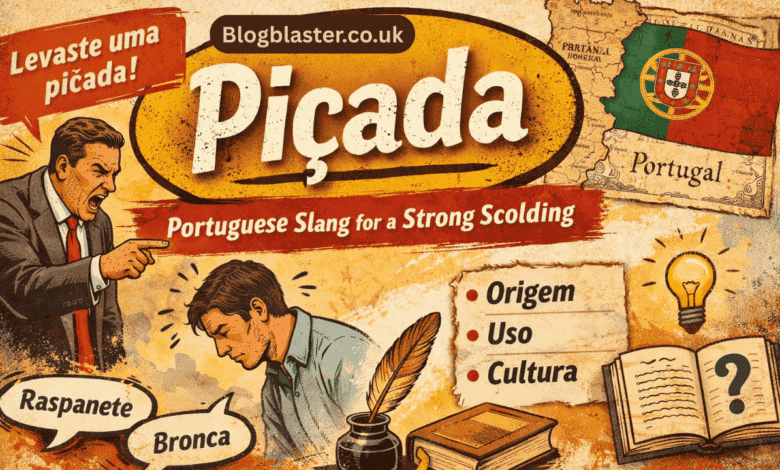
Language is constantly evolving, shaped by culture, emotion, humor, and social dynamics. One word that reflects this evolution in European Portuguese is piçada. Although not commonly found in formal conversation, piçada holds a distinct place in informal speech and slang. Depending on the context, it can convey distinct meanings and emotional tones, ranging from a simple reprimand to a vulgar expression. In this article, we’ll explore the meaning of piçada, its origins, how it is used in conversation, its regional relevance, and what you should know before using it. Understanding words like piçada offers insight into how language captures everyday human experiences — especially moments of tension, humor, and intensity.
What Does Piçada Mean?
The word piçada is primarily used in European Portuguese slang. In its most common informal usage, piçada refers to:
- A harsh scolding
- A strong reprimand
- A verbal dressing-down
- An intense telling-off
For example, if someone says:
“Ele levou uma piçada do chefe.”
(He got a piçada from the boss.)
It typically means the person received a serious reprimand or stern lecture.
However, it’s important to note that piçada can also have a vulgar meaning, depending on context and tone. Because of this, it is considered informal and sometimes crude. In educational or dictionary-style explanations, it is often labeled as slang or vulgar language.
For most everyday conversational purposes in Portugal, though, piçada is commonly understood as a forceful scolding.
The Origins of the Word Piçada
Linguistically, piçada is formed from the root piça plus the suffix -ada. In Portuguese, the suffix -ada often indicates:
- A blow or strike (e.g., pancada)
- An action or event
- Something intense or sudden
This structure suggests that piçada originally conveyed the idea of a figurative “hit” — in this case, a verbal one. Over time, it evolved into slang representing a strong verbal reprimand.
Like many slang expressions, the word developed through spoken language rather than formal literary use. As such, it carries emotional intensity and social nuance that dictionaries alone cannot fully capture.
How Piçada Is Used in Everyday Speech
In informal European Portuguese, piçada appears most often in expressions like:
- Levar uma piçada – To receive a scolding
- Dar uma piçada – To give someone a reprimand
Examples:
- “O professor deu-lhe uma piçada por ter chegado atrasado.”
- “A mãe deu uma piçada ao filho por não fazer os trabalhos.”
In both cases, the meaning revolves around a strong correction or verbal discipline.
It’s similar to words like:
- Raspanete
- Descompostura
- Repreensão
However, piçada tends to sound more colloquial and emotionally charged than these alternatives.
Regional Usage: Portugal vs. Brazil
One important distinction is geography.
Piçada is primarily associated with European Portuguese, particularly in Portugal. It is not commonly used in Brazilian Portuguese, and many Brazilian speakers may not recognize the word or may interpret it differently.
In Brazil, alternative slang terms are more likely to be used when describing a scolding, such as:
- Bronca
- Puxão de orelha
Because slang varies significantly between Portuguese-speaking countries, context and audience matter greatly when using a word like piçada.
Tone and Emotional Weight
One reason piçada is memorable as a word is its emotional intensity. It suggests something stronger than a mild correction.
For example:
- A gentle reminder is not a piçada.
- A calm discussion is not a piçada.
- A firm, possibly loud reprimand likely qualifies.
The word carries a slightly dramatic tone, often used humorously in storytelling:
“Cheguei tarde e levei logo uma piçada!”
In this sense, it can add expressive flair to a narrative, emphasizing how serious or embarrassing the moment felt.
Is Piçada Considered Offensive?
This is where context becomes crucial.
Because piçada derives from a root that can be vulgar in certain contexts, the word may carry crude undertones. However, when used strictly to mean “a scolding,” many speakers use it casually without explicit intent.
That said:
- It is not formal language
- It should not be used in professional writing
- It may be inappropriate in conservative or formal settings
If you’re unsure about your audience, safer alternatives like repreensão or raspanete are better choices.
Piçada vs. Similar Words
To better understand piçada, let’s compare it to similar Portuguese terms:
Raspanete
A reprimand or scolding is often used in standard language. Less slang-heavy than piçada.
Bronca
More common in Brazilian Portuguese. Similar meaning: a telling-off.
Descompostura
A formal word describing a harsh verbal correction.
Puxão de orelha
Literally “ear pull,” meaning mild reprimand. Softer than piçada.
Among these, piçada feels more forceful and informal. It carries emotional heat and expressive power.
Why Slang Like Piçada Matters
Slang words such as piçada reveal how people experience authority, discipline, and emotional moments in everyday life. Language doesn’t just describe events — it reflects attitudes.
When someone says they “took a piçada,” it often implies:
- The situation was intense.
- The reprimand was memorable.
- There may be humor in hindsight.
Slang allows speakers to dramatize experiences and connect socially. It builds shared understanding within communities.
SEO and Digital Relevance of Piçada
In the digital world, words like piçada often generate search interest for several reasons:
- People are searching for its meaning.
- Language learners exploring Portuguese slang.
- Users are trying to understand expressions they heard in conversation.
- Curiosity about informal or regional vocabulary.
Because the word can have both non-vulgar and vulgar interpretations, search intent can vary. Informational content should handle the topic carefully, focusing on linguistic explanation rather than explicit detail.
Clear, educational treatment helps ensure content remains useful and appropriate.
Should You Use the Word Piçada?
That depends on context.
Appropriate Situations:
- Informal conversation with friends
- Storytelling
- Humor
- Cultural discussions
- Linguistic analysis
Situations to Avoid:
- Academic writing
- Business communication
- Formal presentations
- Professional emails
- Communication with unfamiliar audiences
Like many slang words, piçada works best when tone and familiarity allow it.
The Cultural Layer Behind Piçada
Portuguese culture, especially in Portugal, often embraces expressive and emotionally vivid language. Words like piçada reflect this communicative style.
Rather than simply saying “I was reprimanded,” someone might say:
“Levei uma piçada enorme!”
This adds personality and intensity to the story. It conveys not just what happened, but how it felt.
In this way, piçada is more than just a synonym for scolding — it’s an emotional descriptor embedded in cultural communication patterns.
Language Evolution and the Future of Piçada
Slang words constantly shift in meaning and popularity. Some fade away; others become mainstream.
Whether piçada remains widely used depends on:
- Generational language trends
- Media influence
- Social attitudes toward slang
- Regional speech patterns
As younger generations reshape language through digital communication, the context and frequency of words like piçada may evolve.
However, as long as expressive storytelling remains central to human interaction, vivid slang will continue to thrive.
Conclusion
The word piçada is a striking example of how slang captures emotion, social dynamics, and cultural nuance. Primarily used in European Portuguese, it most commonly refers to a strong scolding or reprimand delivered with intensity. While it carries informal, sometimes vulgar undertones, in everyday speech, it often serves simply as a colorful way to describe being told off.