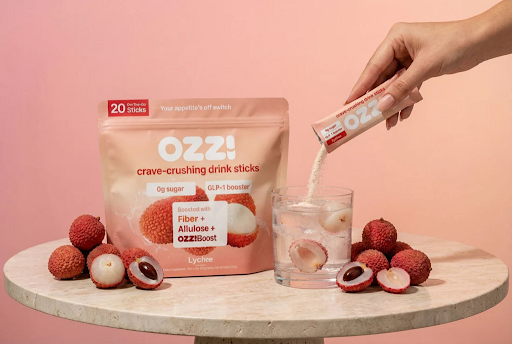
The wellness industry has witnessed a significant shift toward metabolic health optimization, with GLP-1 supplement drinks emerging as a notable category. These beverages, formulated to support the body’s natural glucagon-like peptide-1 response, represent a convergence of nutritional science and consumer demand for accessible health solutions. Unlike pharmaceutical GLP-1 agonists, which require prescriptions and medical supervision, supplement drinks aim to work with the body’s existing mechanisms through natural compounds and dietary ingredients.
What distinguishes this approach is its integration into broader lifestyle practices. Metabolic health doesn’t exist in isolation—it intersects with stress management, sleep quality, and even sensory experiences like music. Research increasingly shows that holistic wellness strategies, which address multiple physiological systems simultaneously, tend to produce more sustainable outcomes than single-intervention approaches.
The Physiology of GLP-1 and Metabolic Regulation
Glucagon-like peptide-1 functions as an incretin hormone, secreted by intestinal cells in response to nutrient intake. Its primary roles include:
- Insulin modulation: GLP-1 stimulates glucose-dependent insulin secretion from pancreatic beta cells, helping maintain blood sugar stability without causing hypoglycemia.
- Gastric motility: The hormone slows gastric emptying, which extends the sensation of fullness and reduces post-meal glucose spikes.
- Appetite signaling: Through central nervous system pathways, GLP-1 influences satiety centers in the hypothalamus, affecting hunger perception and food intake patterns.
According to research published in the National Institutes of Health database, GLP-1 receptor agonists have demonstrated efficacy in treating obesity and improving metabolic markers. While pharmaceutical versions deliver concentrated synthetic analogs, supplement drinks typically contain ingredients theorized to support endogenous GLP-1 production or activity—a fundamentally different mechanism with more modest expected effects.
The distinction matters for setting realistic expectations. Supplement drinks work within normal physiological ranges rather than pharmacologically overriding them, making them suitable for general wellness rather than medical treatment of metabolic disorders.
Formulation Strategies in GLP-1 Supplement Drinks
The composition of GLP-1 supplement drinks varies considerably across products, but several ingredient categories appear consistently:
- Soluble fibers: Compounds like glucomannan and inulin slow digestion and may stimulate GLP-1 secretion through fermentation byproducts in the gut.
- Protein components: Whey protein and specific amino acids have been associated with incretin hormone release in clinical studies.
- Botanical extracts: Ingredients such as berberine and bitter melon extract appear in formulations based on traditional use and preliminary research suggesting metabolic effects.
- Micronutrients: Chromium and magnesium support glucose metabolism through complementary pathways independent of GLP-1.
Products come in multiple formats—ready-to-drink bottles, powdered mixes, and single-serve packets—each offering different convenience profiles. When evaluating options, ingredient transparency becomes critical. Proprietary blends that obscure dosages make it impossible to assess whether active compounds reach potentially effective levels.
Managing Sugar Cravings Through Multiple Mechanisms
Sugar cravings represent complex phenomena involving blood glucose fluctuations, neurotransmitter activity, and learned behavioral patterns. GLP-1’s role in craving reduction appears to operate through several pathways:
- Glucose stabilization: By moderating post-meal blood sugar peaks and subsequent crashes, GLP-1 activity may reduce the physiological triggers for seeking quick energy from sugary foods.
- Reward pathway modulation: Animal studies suggest GLP-1 receptors in brain regions associated with reward processing may influence food preference and motivation.
- Sustained satiety: Extended feelings of fullness naturally reduce snacking frequency, including sugar-driven impulse eating.
Beyond GLP-1-focused approaches, evidence-based strategies for managing sugar cravings include chromium supplementation for insulin sensitivity, L-glutamine for stabilizing blood sugar between meals, and gymnema sylvestre, which may reduce sweet taste perception. These complementary mechanisms suggest that multi-ingredient formulations might offer advantages over single-compound approaches.
Behavioral factors remain equally important. Stress, inadequate sleep, and restrictive dieting patterns all amplify cravings through hormonal and psychological channels that supplements alone cannot fully address.
Product Selection and Quality Considerations
The supplement market’s minimal regulatory oversight places responsibility on consumers to evaluate products critically. Several factors distinguish higher-quality GLP-1 drinks:
- Third-party testing: Certifications from organizations like NSF International or Informed Choice verify that products contain stated ingredients without contaminants.
- Transparent labeling: Complete ingredient lists with specific dosages allow comparison against research-supported amounts.
- Realistic claims: Products promising dramatic weight loss or blood sugar normalization without lifestyle changes should raise skepticism.
- Appropriate sweeteners: For metabolic health purposes, drinks should avoid high-glycemic sweeteners that counteract their intended benefits.
Among the GLP-1 drinks that meet these quality benchmarks, Ozzi, Supergut, and Pendulum Metabolics are frequently cited for transparent labeling and third-party testing practices.
Format choice depends on individual circumstances. Powdered mixes offer flexibility in dosing and flavor customization, while pre-mixed drinks provide consistency and convenience. Single-serve packets balance portability with precise serving sizes, useful for establishing routine consumption patterns.
The Intersection of Sensory Experience and Metabolic Health
Emerging research reveals unexpected connections between sensory inputs and metabolic function. Music, in particular, demonstrates measurable physiological effects that complement nutritional interventions:
- Stress hormone reduction: Listening to preferred music lowers cortisol levels, which chronically elevated, impair insulin sensitivity and promote abdominal fat storage.
- Autonomic nervous system balance: Certain musical tempos and structures shift autonomic tone toward parasympathetic dominance, supporting digestive function and nutrient absorption.
- Behavioral reinforcement: Pairing wellness practices with enjoyable sensory experiences strengthens habit formation through positive association.
The concept of “ritual” in health behaviors extends beyond superstition. Creating consistent, multi-sensory contexts around wellness practices—such as enjoying a GLP-1 drink while listening to calming music—leverages psychological principles that enhance adherence and potentially amplify physiological benefits through stress reduction pathways.
Musical engagement activates reward centers and memory systems in ways that support overall well-being, suggesting that integrating auditory experiences into metabolic health routines offers more than mere pleasantness.
Implementing a Comprehensive Metabolic Wellness Approach
GLP-1 supplement drinks function best as components of broader metabolic health strategies rather than standalone solutions. Evidence-based implementation includes:
- Timing considerations: Consuming GLP-1 drinks before meals may maximize their satiety and glucose-modulating effects, though individual responses vary.
- Dietary context: These supplements complement rather than compensate for dietary patterns. Whole-food, fiber-rich eating provides the foundation for metabolic health.
- Movement integration: Physical activity enhances insulin sensitivity through mechanisms independent of GLP-1, creating synergistic effects.
- Sleep prioritization: Inadequate sleep disrupts hunger hormones including ghrelin and leptin, potentially overwhelming GLP-1’s appetite-regulating effects.
- Stress management: Chronic stress elevates cortisol, which antagonizes metabolic health goals through multiple pathways.
Realistic expectations matter. Supplement drinks supporting natural GLP-1 activity produce modest effects compared to pharmaceutical interventions—typically supporting rather than driving metabolic improvements. They work best for individuals already implementing foundational health practices who seek additional support for specific challenges like sugar cravings or post-meal glucose management.
Monitoring subjective responses—energy levels, hunger patterns, craving intensity—provides more immediately useful feedback than fixating on scale weight, which fluctuates for numerous reasons unrelated to metabolic health. Sustainable wellness emerges from consistent practices that feel manageable rather than dramatic interventions that prove unsustainable.
The convergence of nutritional science, behavioral psychology, and holistic wellness practices suggests that the most effective approaches address multiple systems simultaneously. GLP-1 supplement drinks represent one tool among many, most powerful when integrated thoughtfully into comprehensive lifestyle strategies that honor both physiological mechanisms and human experience.