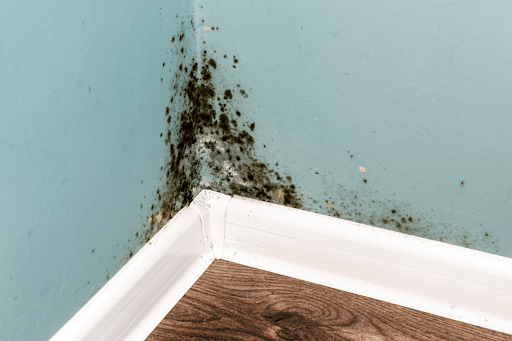
The condition of your rented home directly affects your health, safety, and quality of life. Unfortunately, many tenants across the United Kingdom continue to live in properties plagued by damp, mould, leaks, faulty heating, and structural damage. If your landlord fails to carry out necessary repairs, you may have the right to pursue housing disrepair claims to seek compensation and enforce essential repairs. Understanding your legal rights is the first step toward ensuring your home meets safe and habitable standards. In this guide, we explore everything UK tenants need to know about housing disrepair laws, landlord obligations, and how to take action effectively.
What Are Housing Disrepair Claims?
Housing disrepair claims arise when a landlord fails to maintain a rental property in a safe and liveable condition. In the UK, landlords have a legal duty to ensure that the structure, exterior, plumbing, heating systems, and sanitation facilities are properly maintained. When they neglect these responsibilities, tenants may suffer inconvenience, financial loss, or even health issues.
By filing housing disrepair claims, tenants can request necessary repairs and, in many cases, claim compensation for distress, inconvenience, or damage to personal belongings. These claims apply to council housing, housing association properties, and private rentals. The aim is not just financial compensation, but also to ensure that properties meet legal living standards.
Legal Responsibilities of UK Landlords
UK landlords’ repair obligations are primarily governed by the Landlord and Tenant Act 1985. Under Section 11 of this Act, landlords must:
- Maintain the structure and exterior of the property
- Keep installations for water, gas, electricity, sanitation, and heating in proper working order
- Repair roofs, walls, windows, drains, and pipes
- Address damp and mould issues caused by structural problems
Additionally, the Homes (Fitness for Human Habitation) Act 2018 requires that rental properties be fit for human habitation at the beginning and throughout the tenancy. If a landlord fails to meet these standards, tenants have legal grounds to seek enforcement and compensation.
Common Types of Housing Disrepair Issues
Housing disrepair can take many forms, some of which may severely impact a tenant’s health and wellbeing. Common issues include:
- Persistent damp and mould growth
- Leaking roofs or plumbing
- Faulty boilers or broken heating systems
- Electrical hazards
- Structural cracks or unstable ceilings
- Pest infestations caused by property defects
For example, mould exposure can trigger respiratory conditions such as asthma, particularly in children and elderly residents. Ignoring these problems may worsen the situation over time, increasing repair costs and potential health risks.
When Can a Tenant Make a Claim?
Tenants can pursue housing disrepair claims when:
- The landlord has been notified of the issue
- The landlord has had reasonable time to carry out repairs
- The landlord has failed to take appropriate action
It is essential to inform your landlord in writing and keep copies of all communications. Courts generally expect tenants to provide the landlord with an opportunity to fix the issue before initiating legal action. If repairs are urgent—such as no heating during winter—the landlord must act within a reasonable timeframe.
How to Gather Evidence for Your Claim
Strong evidence significantly increases the success of a housing disrepair case. Tenants should:
- Take clear photographs and videos of the damage
- Keep records of medical visits if health has been affected
- Save correspondence with the landlord
- Obtain repair estimates if necessary
- Request an inspection report from the local council
An environmental health officer may inspect the property and issue an improvement notice if serious hazards are identified. This documentation can serve as valuable evidence in court or during settlement negotiations.
The Role of Local Councils and Housing Authorities
Local councils play an important role in enforcing housing standards. Under the Housing Act 2004, councils use the Housing Health and Safety Rating System (HHSRS) to assess property hazards. If serious risks are found, they can issue:
- Improvement notices
- Hazard awareness notices
- Emergency remedial action orders
These measures compel landlords to complete repairs within a specified timeframe. While council intervention can resolve many issues, tenants may still pursue compensation separately if they have suffered inconvenience or financial loss.
Compensation in Housing Disrepair Cases
Compensation in housing disrepair claims typically covers:
- Damage to personal belongings
- Health-related suffering
- Inconvenience and distress
- Additional expenses (e.g., higher heating costs)
The amount awarded depends on the severity of the disrepair and the length of time the tenant endured poor conditions. In many cases, compensation is calculated as a percentage of the rent paid during the affected period. For example, if half of the property was unusable due to damp, tenants might receive a corresponding percentage of rent as compensation.
Importantly, tenants cannot legally withhold rent without proper legal advice, as this may risk eviction proceedings.
The Claims Process Explained
The process for pursuing housing disrepair claims generally follows these steps:
- Notify the landlord in writing about the issue
- Allow reasonable time for repairs
- Gather supporting evidence
- Seek legal advice from a solicitor or claims specialist
- Send a formal “letter of claim”
- Attempt negotiation or settlement
- Proceed to court if necessary
Most claims are resolved through negotiation before reaching court. Many solicitors operate on a “no win, no fee” basis, making legal representation accessible for tenants who may not have upfront funds.
Protecting Yourself from Retaliatory Eviction
Some tenants fear eviction if they complain about disrepair. However, UK law provides certain protections. If a tenant reports legitimate disrepair and the local authority serves an improvement notice, landlords are restricted from issuing a Section 21 “no-fault” eviction for a specified period.
Understanding your legal protections can empower you to assert your rights without fear. Seeking professional advice ensures you take the correct steps and avoid procedural mistakes that could weaken your claim.
Final Thoughts
Living in a safe and habitable home is not a privilege—it is a legal right. UK tenants are protected by strong legislation designed to hold landlords accountable for maintaining their properties. If your landlord ignores serious repair issues, you may be entitled to pursue housing disrepair claims to enforce repairs and secure compensation.
The key is to act promptly, document everything, and seek appropriate legal advice. By understanding your rights under UK housing law, you can protect your wellbeing, improve your living conditions, and ensure landlords meet their legal responsibilities.