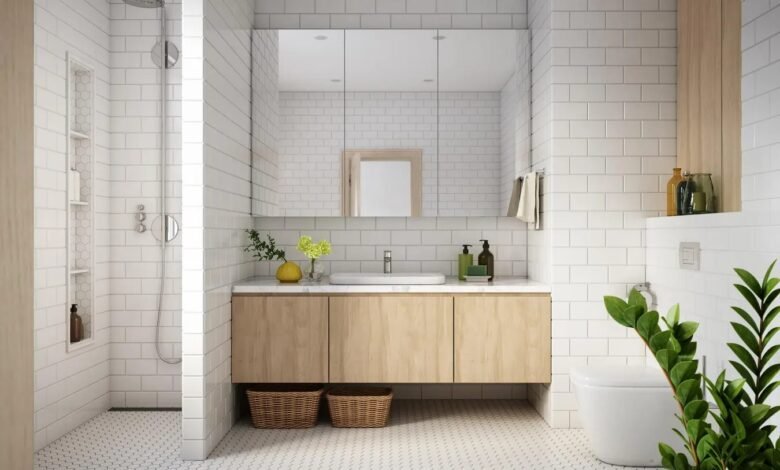
All-white bathrooms once symbolised luxury, cleanliness, and hotel-worthy calm. Glossy tiles, bright walls, and crisp fittings promised a space that felt fresh and timeless. But in real homes, that picture-perfect look rarely holds up.
As design priorities shift towards comfort, individuality, and practicality, the all-white bathroom is increasingly seen as cold, high-maintenance, and short on character. What once felt serene can now feel sterile, and for many households, simply unrealistic.
The Maintenance Myth: White Shows Everything
One of the biggest drawbacks of an all-white bathroom is how unforgiving it is.
Every splash mark, water streak, soap residue, and stray hair stands out instantly. White grout discolours quickly, especially in humid environments, and even regular cleaning struggles to keep it looking pristine long-term.
In busy households, bathrooms need to be functional as well as attractive. When a space constantly looks untidy unless freshly cleaned, it stops feeling relaxing and starts feeling demanding.
Darker grout, textured tiles, and warmer tones are far more practical; disguising everyday wear without sacrificing style.
Sterile, Not Serene
White is often associated with calm, but when used excessively, it can drain a room of warmth.
Bathrooms already lean hard and clinical by nature, filled with ceramics, glass, and chrome. When everything is white, the space can feel more like a laboratory than a sanctuary. This is especially noticeable in smaller bathrooms or rooms without much natural light, where white surfaces reflect harsh artificial lighting rather than softening it.
A bathroom should feel restorative. Without variation in colour, texture, or material, white-on-white spaces often miss that emotional connection.
Where’s the Personality?
Homes are becoming more expressive, and bathrooms are no exception. An all-white scheme leaves little room for personality, storytelling, or individuality.
There’s nowhere for materials to shine, no contrast to highlight design details, and no visual interest to anchor the space. Even beautiful fittings can get lost when everything blends into one pale backdrop.
Colour doesn’t have to mean bold or overwhelming. Muted greens, clay tones, soft blues, and warm neutrals add depth while still feeling timeless. Patterned tiles, tonal wall finishes, or character-led flooring choices instantly bring life into the room.
Flooring Deserves More
Flooring is often overlooked in bathroom design, yet it plays a huge role in how the space feels.
In all-white bathrooms, white tiles underfoot can feel cold, slippery, and uninviting, both visually and literally. They also show dirt quickly, especially around high-traffic areas like sinks and showers.
More homeowners are turning to warmer, more forgiving options such as:
- Stone-effect or wood-look LVT flooring
- Parquet flooring that introduce movement and interest
- Soft grey, beige, or taupe tones that ground the space
Flooring with texture or variation adds depth and practicality, while still keeping the room feeling clean and cohesive.
Why Colour and Contrast Work Better
Bathrooms benefit from contrast more than most rooms.
Breaking up white with darker tones, natural materials, or layered finishes creates balance. Even subtle changes, like off-white walls paired with warmer flooring, or white sanitaryware against coloured tiles, make a space feel intentional rather than flat.
This approach also future-proofs the design. A bathroom built entirely around white relies heavily on trends staying static, while layered spaces adapt more easily to changing tastes with simple updates to accessories or finishes.
Is an All-White Bathroom Ever Worth It?
For some homes, yes, but it needs careful execution.
Large bathrooms with abundant natural light, varied textures, and thoughtful material choices can carry a white-led scheme successfully. Even then, the most effective designs rarely rely on pure white alone.
For most homes, especially family bathrooms or ensuites used daily, all-white is often more trouble than it’s worth. Warmth, contrast, and practicality tend to deliver a space that feels better to live with, not just better to photograph.
Clean Look, Cold Reality
All-white bathrooms may look clean on day one, but real life quickly exposes their flaws. High maintenance, lack of warmth, and limited personality have made them less appealing as design priorities shift towards comfort and individuality.
A more balanced palette, supported by thoughtful flooring, texture, and contrast, creates a bathroom that feels inviting, practical, and distinctly personal. Clean doesn’t have to mean colourless, and timeless design is rarely built on white alone.
Author Bio:
Sophie Marlowe is a digital content writer and outreach executive for Luxury Flooring. She specialises in crafting engaging blogs on home improvement and home decor with a focus on flooring. Sophie writes handy how-tos, easy guides, and helpful comparisons, letting the reader be informed and inspired to take their home to the next level.