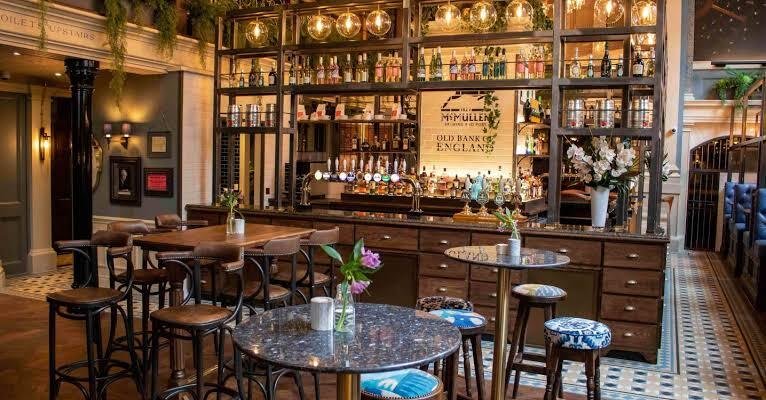
Finding a really good local pub sounds easy. Search for one nearby, check the opening hours, have a look at the menu and off you go. But anyone who’s spent time looking for a place that actually feels worth returning to knows there’s more to it than that.
A good local pub has a certain pull. It might be the food, the setting, the welcome at the door or the fact that you can settle in for an afternoon without feeling rushed. Sometimes it’s a historic building with years of stories behind it. Sometimes it’s a modern pub that has found a clever way to keep the familiar parts of pub culture while giving people something new to come back for.
So, how do you find the right one?
The answer depends on what you want from the experience. A Sunday lunch calls for something different from a quick weekday meal. A family gathering has different needs from an evening with friends. And if you’re exploring somewhere new, a good pub can be much more than somewhere to eat — it can become part of the day itself.
Here’s what to look for when you’re trying to find a really good local pub.
1. Look for a Pub With a Strong Sense of Place
One of the first things that separates a memorable pub from an ordinary one is its relationship with its surroundings.
Think about the pubs you remember. There’s usually something distinctive about them. Perhaps they’re tucked into a village, sit beside a park or occupy an old building that gives the place some history. You know where you are when you walk through the door.
The Bailiwick Free House in Englefield Green is a good example. Sitting on the gates of Windsor Great Park, the pub has a country setting overlooking ancient woodland, giving it an identity that goes beyond its food and interiors. The building has stood in its location since 1877, while its modern approach to cooking makes use of seasonal produce and local suppliers. That combination of heritage, surroundings and food is exactly what can make a pub feel connected to its location.
This is worth considering when searching for a pub near you. Don’t just ask, “How far away is it?” Ask what makes the place belong there.
2. Check the Food Before You Book
A great pub doesn’t necessarily need a huge menu. In fact, a shorter menu can sometimes be a good sign.
What matters is whether the food feels considered. Are there familiar pub favourites alongside dishes with a little more personality? Does the menu change with the seasons? Are there options for different tastes and occasions?
You don’t need every dish to be experimental. There’s a reason people continue to order pies, roasts, fish and chips, burgers and other familiar favourites. Good pub food should be comforting, but that doesn’t mean it has to be predictable.
Menus can also tell you what kind of experience a pub is trying to create. A place with a serious Sunday roast offering may be ideal for a long family lunch. Somewhere with sharing dishes might suit a larger group. A pub with a strong daytime menu could be better for a relaxed stop during a day out.
Take a few minutes to look before you go. It can save you from choosing somewhere that simply isn’t suited to what you’re after.
3. Don’t Ignore the Atmosphere
You can have excellent food in a place that doesn’t feel particularly enjoyable. That’s why atmosphere deserves as much attention as the menu.
Think about lighting, seating, music, layout and the general pace of the room. Is it somewhere you’d actually like to spend a couple of hours?
The best local pubs tend to work across different parts of the day. They can feel relaxed at lunchtime, lively when people meet after work and welcoming again when families arrive for a weekend meal.
That flexibility matters. A pub doesn’t need to be completely quiet or completely lively. It simply needs to create an atmosphere that suits the people using it.
Reviews can help here, but photographs can be just as useful. Look at the dining areas, outdoor spaces and communal areas. You’re trying to get a sense of the place before you arrive.
4. Consider the Setting Around the Pub
Sometimes the best pub experience begins before you sit down.
A pub near a walking route, historic attraction, village centre, park or other point of interest can turn a meal into part of a bigger day. You might visit after exploring somewhere, stop for lunch before continuing your journey or make the pub itself the destination.
The Rising Sun in Lacock is a useful example of this kind of pub experience. Lacock is known for its historic character and its connection with Lacock Abbey, so visiting a pub there can naturally become part of a wider day exploring the village. The setting gives diners another reason to make the journey rather than simply choosing the closest place to home.
That’s one of the pleasures of searching for a local pub: “local” doesn’t always have to mean the nearest pub on your street. It can also mean a pub in a nearby village or town that gives you a reason to get out and explore.
5. Look at What Regulars Say
Online reviews aren’t perfect. Everyone has a different idea of what makes a good pub, and one person’s quiet evening can be another person’s complaint.
Still, patterns are useful.
If multiple people mention friendly service, good portions, a welcoming atmosphere or consistently enjoyable meals, that’s worth paying attention to. If several reviews raise the same concern, you might want to investigate further.
Don’t obsess over the overall star rating. Read a handful of recent comments instead.
You may discover details that aren’t obvious from the pub’s own website. Someone might mention a particularly good garden, a useful family dining area or the fact that the venue works especially well for Sunday lunch.
The trick is to read reviews as clues rather than instructions.
6. Find Out What Makes the Pub Different
There are thousands of pubs, so why choose one over another?
The answer might be a great garden. It could be a historic building. Perhaps the kitchen has a distinctive style, or the pub hosts events that bring the local community together.
A really good pub usually has something that gives people a reason to remember it.
That doesn’t have to mean gimmicks. Quite often, it’s something simple: consistently good cooking, a warm welcome or a setting you can’t easily find elsewhere.
When researching local pubs, look beyond generic descriptions. “Great food and friendly service” appears on countless hospitality websites. Look for the detail underneath it.
What does the pub actually do? What is it known for? What kind of people visit? What makes it part of the neighbourhood?
Those answers are much more useful.
7. Think About Who You’re Visiting With
The best pub for you isn’t necessarily the best pub for everyone.
Going out with children? You’ll probably want somewhere relaxed with a suitable food selection and enough space to feel comfortable.
Meeting friends? A lively atmosphere and flexible seating might matter more.
Planning a family celebration? You may want somewhere with a strong dining offer and space for a larger group.
Travelling with someone who has dietary or mobility requirements? Check those details before making plans rather than assuming every venue can accommodate them.
This sounds obvious, but it’s an easy detail to overlook when you’re searching for “best pubs near me”. The best choice is the one that fits the occasion.
8. Look Beyond the Traditional Pub Formula
A modern local pub doesn’t have to look exactly like the pubs people remember from decades ago.
Some retain traditional interiors and classic menus. Others introduce contemporary food, modern design or influences from other cuisines.
Machan, a pub group based in Rugby, is an interesting example of this broader approach. Its venues include The George at Kilsby, The Old Lion and The Courthouse, each with a different character. The group describes The George as a classic local for food and roasts, The Old Lion as a modern pub and community hub, and The Courthouse as a destination for live sport. Its food philosophy brings together British pub classics and Indian-inspired dishes.
That variety is useful when you’re deciding what kind of pub experience you actually want. A traditional pub atmosphere might be exactly what you’re after, but a place that mixes old and new can sometimes offer the best of both worlds.
9. See Whether the Pub Feels Like Part of the Community
There’s a reason the phrase “local pub” has stuck around.
Historically, pubs have been gathering places. People meet there, celebrate there, catch up with friends and sometimes simply spend a quiet afternoon there. That community role remains one of the things that makes a good pub different from a restaurant that happens to serve drinks.
Look for signs that a venue genuinely engages with its surroundings. Does it host community events? Does it welcome regular customers? Does it have a loyal local following?
You can often spot this in the way a pub talks about itself. Is it presenting itself simply as somewhere to buy food, or does it feel like a place people return to?
A strong local identity is difficult to manufacture. It tends to develop over time.
10. Check the Practical Details
There’s nothing glamorous about checking opening times, parking arrangements or booking requirements — but doing so can make your day much easier.
Some pubs are particularly busy on Sundays. Others operate different hours for lunch and dinner. A popular dining room may require a booking, especially if you’re bringing a larger group.
Location matters, too. A countryside pub might have limited parking, while a town-centre venue may be easier to reach by public transport.
The Bailiwick, for example, doesn’t have designated guest parking because of its location by Windsor Great Park, although parking is available around the park within walking distance. Its restaurant and bar also operate different hours depending on the day.
Small details like these don’t make a pub better or worse. They simply help you choose the right pub for the occasion.
11. Don’t Be Afraid to Travel a Little Further
One of the easiest mistakes when searching for a local pub is assuming the best one has to be the closest.
Sometimes it does. That’s the beauty of having a genuine neighbourhood favourite.
But there’s also something enjoyable about travelling a few miles for lunch, exploring a village you’ve never visited or making a pub part of a weekend drive. Suddenly, you’re not just going out for food. You’re making a day of it.
This is particularly true in rural areas and historic towns, where a good pub can sit naturally alongside walks, landmarks and other attractions.
A little extra travel can be worthwhile when the setting, food and overall experience give you something you wouldn’t get at the pub around the corner.
12. Give Yourself a Reason to Return
Finally, ask yourself one simple question after your visit: would you come back?
That’s probably the most useful test of all.
A pub can have a beautiful building, a clever menu and excellent photographs online. But if the experience doesn’t make you want to return, something hasn’t quite clicked.
The best local pubs become familiar without becoming boring. You might have a favourite table, know what you want to order or recognise someone behind the bar. Yet there’s usually enough variety to keep the place interesting.
Maybe the menu changes with the seasons. Perhaps there’s a different reason to visit at the weekend. Or maybe the pub simply gets the basics right every time.
Finding Your New Favourite Local Pub
Finding a really good local pub isn’t about discovering a perfect formula. It’s about working out what matters to you.
Look at the food. Consider the atmosphere. Pay attention to the setting. Read reviews, but don’t let a single opinion make the decision for you. Most of all, look for character.
A good pub should give you a reason to walk through the door. A great one gives you a reason to return.
That could be a country setting, a memorable Sunday lunch, a historic building, a friendly community atmosphere or simply the feeling that you’ve found somewhere that fits.
And perhaps that’s why the search is worth making. There are plenty of pubs out there, but the really good local pub isn’t just somewhere nearby. It’s somewhere that becomes part of your routine, your weekends and, eventually, your list of places you recommend to other people.
So next time you’re searching for a local pub, don’t settle for the first result on the map. Look a little closer. You might find a new favourite just around the corner — or discover that the best one is worth taking the scenic route to reach.