When you first stand in front of a blank canvas, the prospect of creating something meaningful can feel both exciting and overwhelming. Acrylic paint offers an accessible entry point for aspiring artists of all ages and backgrounds. Unlike oils or watercolors, acrylics dry quickly, require minimal setup, and work well on multiple surfaces. This versatility makes them an ideal medium for beginners who want to explore painting without investing in expensive equipment or lengthy learning curves. Understanding the fundamentals of acrylic painting will help you build confidence and develop your skills from your very first brushstroke.
Understanding Acrylic Paint Properties
Acrylic paint consists of pigment suspended in a water-based polymer emulsion, which gives it unique characteristics that set it apart from other painting mediums. Once the water evaporates, the polymer forms a permanent, flexible film on your surface, meaning your finished work will not crack or yellow over time the way some oil paintings might. The fast drying time of acrylics, typically within minutes to a few hours depending on thickness and humidity, allows you to layer colors quickly and make adjustments without waiting days between applications. You can thin acrylic paint with water to create washes similar to watercolor, or apply it thick and textured like oil paint, giving you significant creative flexibility. This adaptability makes acrylics forgiving for beginners who are still discovering their preferred techniques and styles.
Selecting Your Materials and Tools
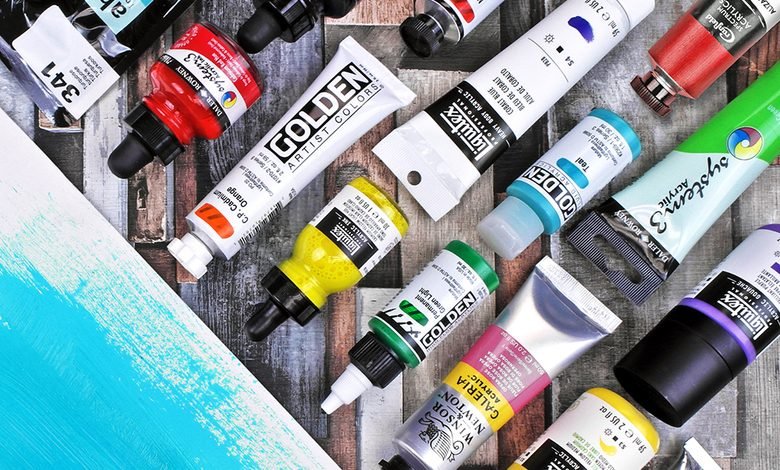
Starting your acrylic painting journey requires gathering basic supplies that do not need to be expensive or extensive. A quality set of paints in primary colors, white, and black provides enough range to mix virtually any hue you want to create. You will need brushes specifically designed for use with acrylic paint, which typically have synthetic bristles that withstand the slightly thicker consistency of acrylic medium better than natural hair brushes. Canvas boards, canvas pads, or pre-stretched canvases serve as excellent surfaces for beginners, though acrylics also adhere well to wood, paper, and cardboard. Beyond brushes and surfaces, gather a palette for mixing colors, a jar of water for rinsing brushes, paper towels, and an apron or protective clothing, since acrylics can stain fabric and skin permanently.
Preparing Your Workspace and Canvas
Before you begin painting, taking time to prepare your environment will make the entire process smoother and more enjoyable. Set up your workspace in an area with good natural or artificial lighting so you can see your colors accurately and observe details as you work. If you are using a pre-primed canvas, you can start painting immediately, but if you have a raw canvas board or other surface, applying a gesso primer creates a uniform base that helps paint adhere better and provides a consistent surface texture. Allow any primer to dry completely before you begin applying your paint. Organize your supplies within arm’s reach and keep paper towels readily available, as acrylics dry quickly and you will want to clean your brushes frequently to prevent them from becoming stiff and unusable.
Fundamental Techniques for Acrylic Painting
Learning basic painting techniques will give you a strong foundation to build upon as you develop your skills. The glazing technique involves applying thin, transparent layers of diluted paint over dried layers to create depth and modify colors without completely covering what lies beneath. Dry brushing, where you use minimal water on your brush, creates textured strokes that work well for depicting rough surfaces, foliage, or weathered effects. Blending involves softly transitioning one color into another while the paint is still wet, which requires working quickly since acrylics dry fast. Impasto, or applying paint thickly with visible brushstrokes or palette knife marks, creates interesting dimensional effects and tactile surfaces that add visual interest to your work. Acrylics became widely embraced by artists in the mid-twentieth century precisely because of their flexibility and speed of use.
Common Mistakes and How to Avoid Them
Understanding typical beginner mistakes helps you sidestep frustrations and maintain better control over your painting process. One frequent error is using too much water, which can cause your paint to become too thin and flow uncontrollably, or result in poor color coverage and adhesion. Another common issue involves not cleaning your brushes promptly, as dried acrylic paint hardens on bristles and renders them unusable. Many beginners also rush to blend colors while painting, forgetting that acrylics dry quickly and excessive manipulation of wet paint can create muddy, undefined color transitions. Attempting overly complicated subjects before mastering basic color mixing and brush control often leads to discouragement, so starting with simple objects like fruit, geometric shapes, or landscapes helps build your technical foundation.
Conclusion
Acrylic painting provides an accessible and rewarding way for beginners to explore visual art and develop technical skills. By understanding the properties of acrylic paint, assembling basic materials, and practicing fundamental techniques, you create the conditions for steady improvement and creative growth. Your first attempts may not be gallery-ready, but each painting teaches valuable lessons about color, composition, and brush control that inform your future work. Starting with simple subjects and realistic expectations allows you to build confidence without becoming discouraged by overly ambitious early projects. As you continue to practice and experiment with different techniques and subjects, you will discover your unique artistic voice and develop a deeper appreciation for the medium’s versatility and possibilities.