Create Professional Custom Clothing With a T Shirt Press, Transfer Tape, and Heat Transfer Vinyl

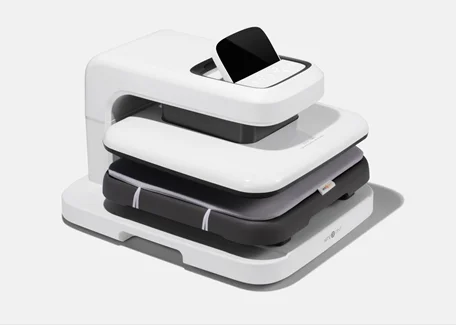
Just a plain T-shirt is a meaningful piece in itself, but it gets more when it shows off a design of a creative style, a line that a person can quote or share, a company’s emblem, etc. With custom clothing, people get a medium to convey their interests and also, businesses can launch items matching their image. Some important products for making these items are T shirt press, transfer tape, and heat transfer vinyl, among others. These are not of the same function but together contribute to the completion of the project, like the transformation of artwork to the garment, and so on. It may be a good idea for a beginner to understand how they are connected and the pros of getting each of them. Experienced creators, on their turn, find their control over a project increases a lot if they are aware of what each one of these tools does.
Get to know the Function of a T-Shirts Press
If it was not the T-shirts press, the transfer would take place manually, and as much as possible that would not give the desired results since there wouldn’t be a uniform pressure. When a design comes off from the fabric it is due to either the heat having been insufficient or pressure too gentle, whereas a proper application gives one a beautiful result and ensures that your design will last for a long time. If you consider it not only necessary but also a great help when your custom T-shirts or any other items require heat transfer, then you will soon become a regular user of the press.
Differentiate Heat Transfer Vinyl and Adhesive Vinyl
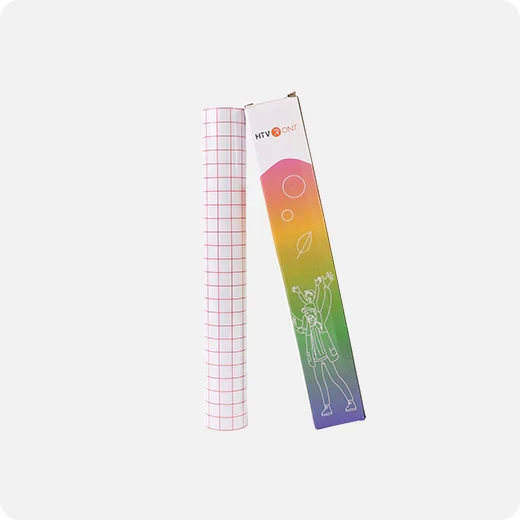
Although heat transfer and adhesive vinyl have a similar appearance, their functions differ greatly. HTV should be heat and pressure sealed to fabric whereas adhesive vinyl is generally stuck onto the surfaces like glass and signs. You can use Transfer Tape, especially when transferring a cut vinyl to another surface, to help position adhesive. Since many HTV include the carrier sheet, a special kind of film that is used to transfer design, you don’t need to use the traditional adhesive-vinyl Transfer Tape which is mainly meant for other kinds like vinyl wall stickers, etc.
Prepare the Artwork for Vinyl Cutter
If the design is neat or simple the cutting machine won’t have problems. If the design has little texts check it is big enough to still be readable after placement. Starting with basic artwork is not bad choice as it will show you the behaviors of the different vinyl materials on different materials without burden you a lot of complicated issues.
Don’t Forget to Reverse Heat Transfer Vinyl Designs
In most regular HTV projects the design must be mirrored before cutting. This is just flipping the image horizontally in order that the finished design appears in the correct orientation once the garment is on you. Mirroring is an important aspect especially when there are names, words, numbers and even logos, the elements which contain text. Otherwise you will have an upside-down final design.
Get More Sales out of Your Custom Clothing Products by Having a Good Product Image
If you can show good product photos, your customers can judge the quality and style of your work with clarity. When photographing your apparel, go for natural lighting and pick a background that is simple. Capture the entire shirt as well as close-ups of the design part. If your products have different color ways or personalization choices, it would be best to show sample images for the buyers not to get confused between them. The product descriptions must highlight details like sizes, kinds of fabric, design choices, and approximately how long the production will take. By providing such information, you make the ordering process simpler and also give a customer’s a sense of trust.
Conclusion
To custom make clothes that are both attractive and wearable with a T-shirt press you’ll also need heat transfer vinyl (HTV) and transfer tape. The press applies the heat and pressure to get a good transfer from the image to the shirt, whereas Transfer Tape can be really helpful when you’re aligning a design or placing it exactly. As for HTV, it is mainly used to bring about color changes add letterings and to decorate the fabric. As long as you choose the right materials carefully prepare the artwork before applying it, and follow instructions to the letter, the end results will definitely match with or exceed the customers expectation. Regular practice as well as quality checks are going to do wonders for your improvements on each project.
Frequently asked Questions
Is it necessary to mirror the Heat Transfer Vinyl?
Yes, in the majority of cases, text, numbers, and names will be facing you as the carrier side of the HTV has to be pressed onto the fabric. So, to achieve this result, mirroring the design is necessary.
Does a T-Shirt press work best on certain types of fabrics?
Using heat press, compatible fabrics such as cotton or polyester t-shirt can be decorated. Nevertheless, as different materials respond differently to heats, it is advisable always to check your transfer’s specifications before you carry out the job.
Why does my HTV keep flaking?
If the HTV is peeling, the fault might have been in temperature, time, pressure, fabric incompatibility, or application method. Go through the manufacturers’ guidelines and settings and get the right settings. Also, make sure the shirt has been cleaned properly.