Every business has something to communicate. A landscaping company needs to explain its services, a software provider wants to help customers understand complicated features, and an online retailer must describe products in ways that make purchasing decisions easier. Yet having valuable information doesn’t automatically mean a company knows how to present it effectively. Writing clear, engaging content takes time, research, and an understanding of what readers actually want to know.
This is where professional content writing becomes useful. Businesses hire writers and content specialists to develop website pages, blog articles, educational resources, product descriptions, and other materials that support their communication goals. The work involves much more than putting words on a page. Professional writers must understand the intended audience, organize information, maintain accuracy, and adapt their approach to different platforms. When managed properly, content writing becomes an ongoing business function that supports marketing, customer education, and brand development.
What Are Professional Content Writing Services?
Professional content writing involves creating written materials for a specific audience and purpose. Businesses may hire freelance writers, work with specialized agencies, or maintain internal writing teams to handle these responsibilities. The work can include everything from developing educational articles to explaining technical products or improving existing website copy.
Companies often use content writing services when they need consistent, professionally developed material but don’t have the time or internal resources to produce it themselves. A growing ecommerce company, for example, might need hundreds of product descriptions while also maintaining a blog that answers customer questions. An experienced writing team can help organize that workload, research relevant topics, and produce content according to established guidelines.
The objective isn’t simply to publish more words. Effective writing should serve a clear purpose, whether that’s helping someone understand a service, answering a common question, or making complicated information easier to follow.
Why Businesses Need Different Types of Content
Not all business content performs the same function. A homepage introduces the company and helps visitors understand what it offers. Service pages explain specific solutions, while blog articles often address questions people ask before making purchasing decisions. Product descriptions focus on features, practical benefits, and details customers need to compare options.
Consider a company selling commercial kitchen equipment. Its website might include category pages for refrigerators, ovens, and food preparation equipment. Individual product descriptions would explain dimensions, specifications, and intended applications. Meanwhile, educational articles could help restaurant owners understand maintenance requirements or compare different equipment configurations.
Each piece serves a different purpose. A product page should make purchasing information easy to find, while an educational article can explore a subject in greater depth. Professional writers adjust the structure, language, and level of detail accordingly.
How the Content Writing Process Begins
A successful writing project usually starts with understanding the business rather than immediately drafting an article. Writers need information about the company’s products, services, customers, and communication goals. They may also review existing website content to understand the organization’s voice and identify areas that need improvement.
For example, a writer preparing content for a financial software company should understand who uses the platform. Is the intended audience made up of independent contractors, small business owners, or accounting professionals? These groups may have different levels of technical knowledge and different concerns.
The initial research process helps establish what the content should accomplish. It also prevents writers from producing generic explanations that could apply to almost any company. A strong foundation makes the final material more relevant and useful.
Understanding the Target Audience Before Writing
Good writing begins with knowing who will read it. A business owner researching payroll software may want straightforward explanations of pricing, compliance considerations, and available features. An experienced accountant evaluating the same product might need more technical details about integrations and reporting capabilities.
Professional writers consider these differences before choosing how to present information. They examine the questions readers are likely to ask, the terminology they’re familiar with, and the problems they’re trying to solve.
Audience research may involve reviewing customer feedback, speaking with sales teams, examining frequently asked questions, or analyzing relevant search queries. These sources can reveal concerns that aren’t immediately obvious from a company’s marketing materials.
When writers understand their readers, they can provide useful explanations without overwhelming people with unnecessary details or oversimplifying important subjects.
The Role of Keyword Research in Content Development
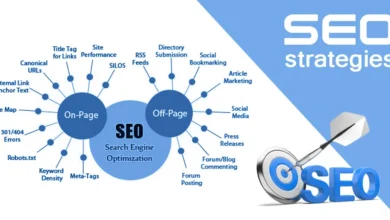
Search engine optimization is often part of professional content writing, particularly when businesses want their articles and website pages to attract organic search traffic. Keyword research helps identify the words and phrases people use when looking for information online.
Suppose a home improvement company wants to publish educational resources about roofing. Research might reveal interest in roof replacement costs, common signs of roof damage, and differences between roofing materials. These topics provide direction for future articles.
However, keyword research shouldn’t dictate every sentence. Repeating the same phrase excessively can make an article awkward and less useful.
Experienced writers use keywords to understand search intent and organize relevant information. They also incorporate related terminology naturally, helping readers explore a subject without feeling as though the article was written exclusively for a search engine.
Creating Content Briefs That Guide the Work
Before drafting begins, many writing teams develop a content brief. This document outlines the article’s purpose, intended audience, main topic, and important information to include. It may also specify the target length, relevant keywords, internal links, formatting preferences, and brand guidelines.
For example, a content brief for an article about warehouse inventory management might identify common tracking problems, available technology, and practical ways businesses can improve accuracy.
The brief gives the writer a clear direction while allowing room for thoughtful explanations and original examples.
Without adequate guidance, writers may spend time developing material that doesn’t match the company’s expectations. A useful brief reduces unnecessary revisions and helps maintain consistency across larger content programs.
How Writers Research Complex Subjects
Professional content writing often involves subjects that require more than general knowledge. Industries such as healthcare, finance, engineering, and technology frequently use specialized terminology and involve important technical considerations.
A writer developing an article about industrial automation may need to understand how equipment integrates with existing production systems. Rather than relying on assumptions, the writer should consult reliable resources and seek clarification from knowledgeable professionals when necessary.
Research may include reviewing technical documentation, examining industry publications, or interviewing subject matter experts.
Accuracy is especially important when content discusses safety, legal requirements, financial decisions, or health-related information. Writers should avoid unsupported claims and clearly distinguish facts from opinions or predictions.
Businesses can improve content quality by making internal experts available to review specialized material.
Turning Research Into Readable Content
Collecting information is only part of the writing process. The next challenge is organizing that information so readers can understand it.
An article should follow a logical progression, with each section contributing something meaningful. Writers must decide which details deserve explanation, where examples would help, and how to avoid overwhelming readers with unnecessary information.
Imagine an article explaining how commercial solar installations work. Beginning with complicated electrical terminology may confuse readers who are still learning the basics. A more approachable structure might introduce the system’s main components before discussing installation considerations and ongoing maintenance.
Professional writing also requires judgment about sentence length, paragraph structure, and tone. Some ideas need detailed explanations, while others are clearer when expressed briefly.
The objective is to make information accessible without sacrificing accuracy.
Maintaining a Consistent Brand Voice
Businesses benefit when their written materials sound as though they come from the same organization. A company that uses friendly, conversational language on its homepage may confuse readers if its blog suddenly adopts an overly formal tone.
Brand voice guidelines help writers maintain consistency. These guidelines may describe preferred terminology, sentence style, audience expectations, and language the company wants to avoid.
For example, a family-owned home services company might prefer approachable explanations that emphasize practical experience. A business serving engineering professionals may need more precise technical language.
Consistency doesn’t mean every article should sound identical. Different subjects require different levels of detail and different approaches.
A recognizable voice helps connect the company’s content while allowing individual pieces to serve their specific purposes.
How Editing Improves the Final Product
A first draft is rarely the finished article. Editing helps improve clarity, accuracy, organization, and readability.
Editors may identify repetitive explanations, confusing transitions, unsupported claims, or sections that don’t address the reader’s needs. They also check grammar, spelling, and consistency with the content brief.
For example, an article about employee scheduling software might explain the same benefit in several sections. An editor can consolidate those explanations and use the available space to address another important customer question.
Editing also provides an opportunity to verify facts and ensure that product descriptions accurately reflect available features.
A strong editorial process makes content more useful and reduces the risk of publishing information that could mislead readers.
How Content Is Optimized for Search Engines
Once an article is written and edited, additional optimization may help search engines understand its subject.
This can involve creating a descriptive page title, organizing sections with appropriate headings, writing a useful meta description, and adding relevant internal links.
Images may also need descriptive alternative text that helps communicate their content.
For example, an article about kitchen remodeling might link to related resources explaining cabinet materials or project budgeting. These connections help visitors find additional information and make the website easier to navigate.
However, optimization shouldn’t interfere with readability. Search engines aim to provide useful results, and no particular keyword placement or formatting trick guarantees rankings.
The best approach combines clear organization with information that genuinely addresses the reader’s needs.
Publishing Content as Part of a Larger Strategy
Content becomes more useful when businesses plan how different pieces work together.
A company might publish educational articles that introduce common customer problems, service pages explaining available solutions, and case studies describing completed projects.
These resources can support readers at different stages of their decision-making process.
For example, someone researching commercial cleaning methods may begin with an educational article. Later, they might explore a company’s service pages and request an estimate.
A content strategy helps connect these experiences.
It also prevents businesses from publishing numerous unrelated articles simply to maintain a schedule. Each piece should have a reason to exist and contribute to the broader website.
How Businesses Manage Ongoing Content Production
Companies that publish regularly often use editorial calendars to organize their work. These calendars identify upcoming topics, deadlines, assigned writers, review responsibilities, and publication dates.
A structured process can be particularly helpful when multiple people contribute to the same website.
For example, a software company might coordinate product announcements with educational articles, customer resources, and industry commentary.
The writing team needs to know which information is approved and when particular updates will become available.
Project management systems can help track progress from the initial brief through drafting, editing, approval, and publication.
However, publishing frequency should remain realistic. A smaller number of well-researched articles may provide greater value than a large volume of rushed content.
Measuring the Performance of Written Content
Publishing an article doesn’t automatically mean it has accomplished its purpose. Businesses should review how readers discover and interact with their content.
Search impressions, organic traffic, referral visits, and engagement can provide useful information. Companies may also examine whether visitors explore related pages, submit inquiries, or complete other meaningful actions.
For example, an educational article about commercial insurance requirements might attract readers who later request additional information about available policies.
However, not every article should be judged by immediate conversions.
Some content is designed to answer customer questions, support existing clients, or establish familiarity with a subject.
Measurement should reflect the original purpose of each piece rather than applying identical expectations to every page.
Why Existing Content Needs Regular Attention
Content writing isn’t always about creating something new. Existing articles and website pages may need updates as products, regulations, technologies, and customer expectations change.
A guide written several years ago might contain outdated software instructions or pricing information. A service page may no longer reflect the company’s current offerings.
Regular content reviews help identify these issues.
Writers may revise explanations, replace outdated examples, add relevant information, or consolidate overlapping articles.
For example, a technology company might update an older guide to reflect changes in a platform’s interface and available features.
Maintaining useful existing content can be just as important as publishing new material.
Common Mistakes Businesses Make With Content Writing
One common mistake is treating content production as a numbers game. Publishing dozens of articles may look productive, but the material provides limited value if it repeats generic information or fails to address customer questions.
Another problem is providing writers with insufficient information about the business. Without access to product details or knowledgeable employees, even experienced writers may struggle to create accurate, distinctive content.
Businesses also sometimes focus too heavily on keywords while overlooking readability and usefulness.
Unrealistic deadlines can create additional problems, particularly when articles require substantial research or expert review.
A successful writing program needs clear expectations, reliable information, thoughtful editing, and enough time to produce worthwhile material.
Making Professional Writing Part of Business Growth
Professional content writing helps businesses communicate more clearly with the people they want to reach. It can explain products, answer customer questions, support search visibility, and provide useful resources throughout the purchasing process.
The work involves research, planning, writing, editing, optimization, and ongoing evaluation. Each stage contributes to the quality and usefulness of the finished material.
Businesses get the greatest value when they treat content as a long-term resource rather than a collection of articles produced to fill a publishing calendar.
Clear communication builds understanding. Useful explanations help customers make informed decisions. Consistent, accurate information also gives people a better sense of what a company knows and how it operates.
When professional writing is supported by a thoughtful strategy and genuine business expertise, it becomes an important part of how organizations educate their audiences and develop a stronger online presence.