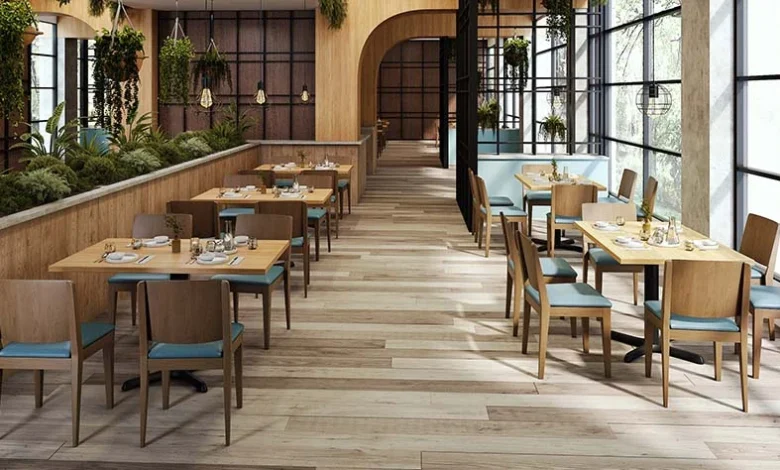
A guest finishes a good meal, steps outside, and pulls out a phone. In the next two minutes, a rating gets typed that will sit on a public page for years, shaping how strangers judge the place before they ever walk in. What tips that rating up or down is rarely the food alone. Often, it is the surface on which the food was served.
Owners obsess over the menu and the staff, as they should, and then furnish the dining room as an afterthought. That order of priorities ignores how reviews actually form. A diner does not score the kitchen in isolation. They score the whole experience, and the table sits at the literal center of it for the entire visit. The restaurant tables a room where people quietly write copy in the review section every single night.
The Wobble Nobody Forgives
Start with the single most reliable trigger of a frustrated review: a table that rocks. A diner sets down a glass, the surface tips, and the irritation begins before the appetizer lands. Folded napkins under a leg, the universal signal of a problem the house already knew about, broadcast neglect louder than any sign could.
The damage compounds because the wobble repeats all night. Every elbow, every cut of a steak, every reach for the pepper reminds the guest that something is off. By the time the check arrives, that small mechanical fault has colored the memory of an otherwise fine evening, and the phone comes out, grievance ready to type.
Cramped Tables Read as Disrespect
Spacing is the second silent author of bad reviews. Pack tables too close and guests feel rushed, overheard, and squeezed, which translates into complaints about noise and ambience that have nothing to do with the kitchen. Layout guides generally budget a couple of feet of table edge per diner and keep walking aisles wide enough for a server with a full tray.
When a room ignores those clearances, the review writes itself: too tight, too loud, no room to relax. The food can be excellent and the score still slides, because the body remembers discomfort more vividly than flavor. Restaurants chasing covers per shift sometimes crowd the floor and lose the rating that fills it.
The Sticky Surface Problem
A table that never quite comes clean is its own category of complaint. Cheap finishes hold grease in the grain, trap sanitizer residue, and feel tacky under the forearm even after a wipe-down. Guests notice instantly, and few things read as unclean faster than a surface that resists the cloth.
Commercial-grade tops are built for the opposite outcome. A sealed, nonporous surface wipes clean in one pass and stays neutral to the touch, removing a whole class of hygiene worries before they can form. The material choice the owner made months earlier decides whether the table feels fresh or filmy on a busy Friday.
When the Table Earns a Better Score
Stable, well-spaced, easy-to-clean tables do more than avoid complaints. They actively lift the room’s standing, and the financial stakes are not trivial. Research on independent restaurants has tied a one-star bump in ratings to a meaningful jump in revenue, often in the mid-single-digit percentage range, with the effect concentrated among independent operators rather than chains. Furniture cannot move a star on its own, yet it removes the friction that drags ratings down.
The qualities that quietly protect a rating are consistent across concepts:
- A surface that holds dead level on tile, wood, or polished concrete.
- Enough room per seat that guests are not bumping neighbors all night.
- A top that wipes clean fast and feels dry, never tacky, to the touch.
- Heights and proportions matched to the chairs so nobody sits awkwardly.
Each one is invisible when it works. Each one becomes a sentence in a review when it fails.
The Surface That Speaks for the Room
A restaurant cannot follow every guest home to argue its case. The dining room has to make the argument on its own, and the table is its most persistent advocate or its quietest saboteur. A diner’s hands rest on it, their food sits on it, their whole physical impression of the visit forms around it. The principles of personal space and comfort, what designers study as proxemics, are felt at that table long before they reach the keyboard.
Smart operators treat the dining room furniture as part of the reputation strategy, not the decor budget. Stable tables, generous spacing, and surfaces that stay clean are not luxuries. They are the difference between a guest who praises the night online and one who accurately remembers that something kept tipping every time they reached for the wine. The review reflects the table, whether the owner planned for it or not.