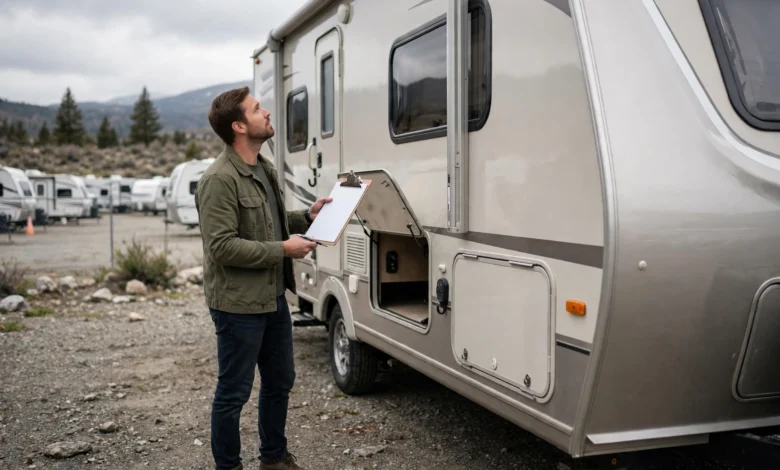
Purchasing an RV represents a significant financial commitment, yet many buyers skip the inspection process or conduct only a cursory review. The complexity of RV systems, combined with the hidden costs of deferred maintenance, makes a comprehensive inspection essential before finalizing any purchase. Without a thorough evaluation, you risk inheriting mechanical problems, safety hazards, and expensive repairs that could drain your budget within months of ownership. Understanding what inspectors look for and why each component matters helps you make an informed decision. This knowledge protects both your investment and your peace of mind as you begin RV ownership.
Structural and Water Damage Assessment
The exterior and interior structure of an RV face constant exposure to weather, temperature fluctuations, and moisture infiltration. Water damage represents one of the most common and costly problems in used RVs, often developing silently behind walls and under cabinetry where it remains undetectable without expert examination. A thorough inspection includes checking roof seals, windows, door frames, and slide-out mechanisms for signs of leaks or water intrusion. Inspectors use moisture meters to identify hidden moisture in walls and flooring that may not be visible to the naked eye. Detecting these issues early allows you to either negotiate a lower price or walk away before committing significant funds to a unit with structural compromise.
Mechanical Systems and Engine Condition
RVs rely on complex mechanical systems that work together to provide reliable transportation and livable amenities. The engine, transmission, brakes, and suspension require particular attention during any pre-purchase inspection, as failures in these areas can result in expensive repairs and potential safety risks. A qualified inspector will perform a full engine diagnostic, check fluid levels and conditions, and assess the overall mechanical soundness of the vehicle. The generator, water pump, sewage system, and electrical components also need evaluation to ensure they function properly and safely. Buyers who browse a used McKee RV for sale will find that reviewing each listing carefully alongside a professional mechanical inspection helps ensure the vehicle meets both their budget and reliability expectations. Identifying mechanical defects before purchase gives you the opportunity to request repairs, negotiate the price downward, or reconsider the purchase altogether.
Appliance and System Functionality
RVs contain numerous appliances and systems that contribute to comfortable living on the road, including refrigerators, stoves, heating and cooling units, water heaters, and bathroom fixtures. Each of these components requires testing to verify operational status and identify maintenance issues that could impact your camping experience. An inspection should include verifying that the refrigerator maintains proper temperature, the furnace produces adequate heat, the air conditioning cools effectively, and plumbing fixtures operate without leaks. The propane system, which powers many RV appliances, must be inspected for safety compliance and proper functioning. Testing these systems under controlled inspection conditions reveals problems that might not surface during a brief dealer walkthrough or test drive.
Safety Features and Compliance Standards
Safety systems in RVs protect you and your passengers during travel and stationary camping periods. These systems include smoke detectors, carbon monoxide detectors, fire extinguishers, propane leak detectors, and emergency exits, all of which must be present and functional. The structural integrity of cabinetry, bed frames, and storage compartments affects safety during transit, as improperly secured items can become projectiles during sudden stops or turns. Electrical systems require inspection to ensure proper grounding, appropriate circuit protection, and absence of fire hazards from damaged wiring or overloaded circuits. An inspector familiar with RV safety standards will verify that all components meet current regulations and function as designed to protect occupants.
Tire Condition and Roadworthiness
Tires on RVs endure significant stress from weight, road conditions, and extended storage periods, making their condition critical to safe operation. Inspectors will examine tire tread depth, sidewall integrity, and signs of uneven wear that indicate alignment issues or improper inflation. The age of tires matters considerably, as rubber deteriorates over time regardless of remaining tread depth, and RV tires older than five to seven years may pose safety risks. Brakes, suspension components, and steering systems must function properly to handle the vehicle's weight and ensure responsive control. Identifying tire and roadworthiness issues before purchase allows you to budget for replacements or use this information during price negotiations.
Conclusion
A thorough RV inspection serves as your primary defense against purchasing a vehicle with hidden problems that could compromise your safety and financial investment. By examining structural integrity, mechanical systems, appliances, safety features, and roadworthiness, you gain a complete understanding of the vehicle's true condition and remaining useful life. This knowledge empowers you to make decisions based on accurate information rather than seller representations or surface-level observations. Investing in a professional inspection costs significantly less than discovering major problems after purchase, when repair expenses fall entirely on your shoulders. Taking the time to conduct or arrange a comprehensive inspection demonstrates prudent decision making and helps ensure that your RV purchase proves to be a sound investment for years of enjoyment.