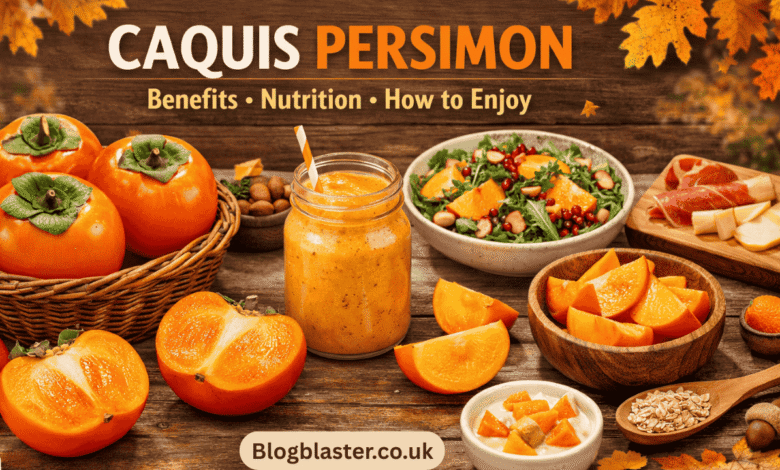
Caquis persimon is one of the most appreciated autumn fruits in Spain and many parts of Europe. Sweet, vibrant orange, and packed with nutrients, this fruit has gained popularity not only for its flavor but also for its versatility and health benefits. Although many people use the terms caqui, persimmon, and persimon interchangeably, there are important distinctions to understand. In this complete guide, you’ll learn what caquis persimon really are, how they differ from traditional caqui, their nutritional profile, health benefits, seasonality, and the best ways to enjoy them.
What Are Caquis Persimon?
The caquis persimon refers to a specific commercial presentation of the fruit scientifically known as Diospyros kaki.
- Caqui is the Spanish name for persimmon.
- Persimmon is the English term.
- Persimon (with one “m”) is a registered commercial brand name used primarily in Spain for a specific variety of caqui that has undergone a special treatment to remove astringency while maintaining a firm texture.
In simple terms, caquis persimon are firm, non-astringent persimmons that can be consumed like an apple.
Caqui vs Persimon: What’s the Difference?
Many people ask whether caqui and persimon are different fruits. Botanically, they are the same species, but they differ in texture, ripeness, and post-harvest treatment.
Texture
- Traditional caqui: Soft and jelly-like when fully ripe. Usually eaten with a spoon.
- Persimon: Firm and crisp, similar to an apple.
Astringency
Astringency in caqui is caused by tannins. When the fruit is unripe, it creates a dry, puckering sensation in the mouth.
- Traditional caqui must ripen fully to lose its astringency naturally.
- Persimon undergoes a controlled post-harvest treatment (often with carbon dioxide) to eliminate tannins while keeping the fruit firm.
Commercial Presentation
Persimon is often marketed as a premium fruit due to its convenience, longer shelf life, and ease of consumption.
Origin and Cultivation of Caquis Persimon
The persimmon tree (Diospyros kaki) originated in China thousands of years ago and later spread to Japan and Korea. From Asia, it was introduced to Europe and the Americas.
Spain is currently one of the largest producers of persimmons, particularly in the Valencia region. The “Rojo Brillante” variety is the most commonly used for commercial persimmon production.
Growing Conditions
Caquis persimon thrive in:
- Warm temperate climates
- Mild winters
- Well-drained soil
- Full sunlight exposure
The fruit typically ripens in autumn, making it a seasonal favorite.
Nutritional Value of Caquis Persimon
One of the main reasons caquis persimon are so popular is their impressive nutritional profile.
Here’s the approximate nutritional value per 100 grams of raw persimmon:
- Calories: 70–75 kcal
- Carbohydrates: 18–20 g
- Natural sugars: 12–15 g
- Fiber: 3–4 g
- Protein: 0.5–1 g
- Fat: Less than 0.5 g
- Vitamin A (beta-carotene): High
- Vitamin C: Moderate
- Potassium: Good source
- Copper and manganese: Present in small amounts
Rich in Antioxidants
Caquis persimon contains:
- Beta-carotene
- Lycopene
- Lutein
- Zeaxanthin
- Polyphenols
These compounds help combat oxidative stress in the body.
Health Benefits of Caquis Persimon
Adding caquis persimon to your diet can provide several health advantages.
Supports Digestive Health
Thanks to their high fiber content, caquis persimon promote:
- Healthy digestion
- Regular bowel movements
- Improved gut health
- Greater satiety
Fiber also helps stabilize blood sugar levels.
Boosts Immune Function
Vitamin C and antioxidants in persimmons contribute to:
- Stronger immune defense
- Collagen production
- Faster wound healing
Promotes Eye Health
The high levels of beta-carotene and vitamin A support:
- Good vision
- Protection against age-related macular degeneration
- Eye tissue health
Supports Heart Health
Potassium helps modulate blood pressure, while antioxidants may reduce inflammation linked to cardiovascular disease.
Natural Energy Source
Due to its natural sugars and carbohydrates, caquis persimon provide quick energy, making them a great snack before physical activity.
When Are Caquis Persimon in Season?
The season for caquis persimon typically runs from:
October to January
Peak availability is usually in November and December. Because persimon is treated to maintain firmness, it often has a longer shelf life than traditional soft caqui.
When buying caquis persimon, look for:
- Bright orange color
- Smooth, unblemished skin
- Firm texture
- Green, fresh-looking calyx (leafy top)
How to Eat Caquis Persimon
One of the biggest advantages of caquis persimon is its versatility.
Eat Them Fresh
Simply wash, slice, and eat like an apple. The epidermis is edible and contains additional fiber.
Add to Salads
Persimon pairs well with:
- Arugula
- Spinach
- Goat cheese
- Walnuts
- Pomegranate seeds
- Balsamic vinaigrette
Smoothies
Blend with:
- Banana
- Yogurt
- Almond milk
- Cinnamon
- Oats
Desserts
Use caquis persimon in:
- Tarts
- Cakes
- Muffins
- Fruit bowls
- Yogurt parfaits
Savory Dishes
They complement:
- Roasted meats
- Cheese boards
- Prosciutto
- Grilled vegetables
How Caquis Persimon Are Made (De-Astringency Process)
Unlike traditional caqui that must soften naturally, persimon undergoes a specific process after harvest.
The fruit is placed in controlled chambers with high carbon dioxide concentration. This process:
- Neutralizes tannins
- Removes astringency
- Preserves firmness
- Extends shelf life
This innovation transformed how persimmons are consumed in Europe, making them more appealing to modern consumers.
Storage Tips for Caquis Persimon
To keep caquis persimon fresh:
- Store at room temperature if consuming within a few days.
- Refrigerate for longer storage (up to 1–2 weeks).
- Avoid stacking heavy fruits on top to prevent bruising.
Unlike soft caqui, persimon does not need to ripen until mushy before eating.
Are Caquis Persimon Good for Weight Loss?
Yes, they can be part of a balanced weight-loss diet.
Reasons:
- Moderate calorie content
- High fiber promotes fullness
- Naturally sweet (reduces dessert cravings)
- Low fat
However, due to natural sugars, portion control is important for people monitoring carbohydrate intake.
Are There Any Side Effects?
Caquis persimon are generally safe for most people. However:
- Excessive consumption may induce digestive discomfort due to the high fiber content.
- People with kidney issues should monitor potassium intake.
- Unripe persimmons (not persimmons) may cause digestive issues due to tannins.
When consumed in moderation, they are a healthy fruit choice.
Popular Varieties Related to Caquis Persimon
Some important varieties include:
- Rojo Brillante (most common for persimmon production)
- Hachiya (astringent, soft type)
- Fuyu (naturally non-astringent and firm)
- Sharon fruit (Israeli variety)
Each variety differs slightly in sweetness, texture, and usage.
Economic Importance of Persimon in Spain
Spain is one of the largest exporters of persimmons in Europe. The protected designation of origin (PDO) in Valencia has helped boost international recognition.
The fruit is exported to:
- Germany
- France
- Italy
- United Kingdom
- Other European markets
Its increasing demand is linked to:
- Health-conscious consumers
- Interest in seasonal produce
- Expansion of Mediterranean diets
Frequently Asked Questions About Caquis Persimon
Are caquis persimon and persimmon the same?
Yes. Persimmon is the English name. Persimon is a commercial term used mainly in Spain for treated, firm persimmons.
Can you eat persimmon skin?
Yes, the skin is edible and nutritious.
Why does caqui sometimes taste dry?
That dry sensation is caused by tannins in unripe fruit. Persimon undergoes treatment to remove this effect.
Is persimon better than traditional caqui?
It depends on preference. Persimon is firmer and easier to slice, while traditional caqui is softer and creamier.
Are caquis persimon high in sugar?
They contain natural fruit sugars but are comparable to apples or grapes.
Final Thoughts on Caquis Persimon
Caquis persimon are a delicious, nutritious, and versatile autumn fruit that combines the sweetness of traditional caqui with the convenience of a firm texture. Rich in antioxidants, fiber, and essential vitamins, they make an excellent complement to a balanced diet.
You May Also Read: SnigdhaSnack: The Wholesome Snack Trend Blending Taste, Wellness, and Creativity