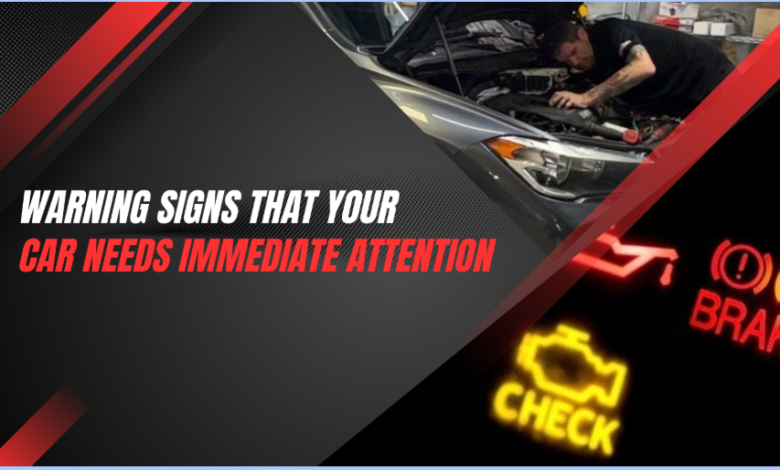
Most drivers have been there. You are halfway along the A325 or pulling out of a side street in Aldershot when something catches your attention. A light you have not seen before. A sound that was not there last week. A faint smell you cannot quite place. Your first instinct is to turn the radio up and hope it goes away.
The truth is, most car faults start small. A worn brake pad, a slow fluid leak, a sensor fault that has just tripped. Caught early, they are usually straightforward and affordable to sort. Left alone, they have a habit of becoming something far more expensive. If you notice any of these issues developing, booking a professional car repair service early can prevent minor faults from turning into major mechanical problems.
1. Dashboard Warning Lights You Should Never Ignore
Your dashboard is your car’s way of talking to you. When a warning light comes on, it means the car’s onboard computer has detected a fault and it is flagging it for your attention. The problem is, many drivers either do not know what the lights mean or quietly decide to deal with it later.
Research from breakdown providers has consistently found that a significant proportion of UK drivers ignore warning lights for days or even weeks, often assuming the car will be fine. In many cases it is not, and the delay turns a simple diagnostic fix into a much larger repair.
What the Colours Mean at a Glance
The colour of a dashboard light tells you how urgently you need to act. Think of it exactly like a set of traffic lights.
- Red: A serious fault has been detected. Stop driving as soon as it is safe to do so, switch the engine off, and do not continue your journey until the fault has been investigated.
- Amber: Something is not right and needs attention soon, but the car is generally safe to drive for a short distance. Do not leave it more than a day or two.
- Green or blue: A system is active, such as your headlights or cruise control. These are informational only and do not indicate a problem.
A flashing light of any colour is always more serious than a steady one. A flashing amber engine management light, for example, should be treated with the same urgency as a red.
The lights that most commonly catch drivers off guard include the engine management light, the oil pressure warning, the brake system warning, and the coolant temperature light. Of these, the oil pressure light is the most critical. If it illuminates while the engine is running, pull over immediately. Driving with low oil pressure can cause catastrophic engine damage within minutes.
One thing worth knowing ahead of your MOT: an illuminated engine management light is classified as a major fault by the DVSA and will result in an automatic failure. If you have a warning light showing and your test is coming up, a routine car service or vehicle health check is the easiest way to know exactly where you stand.
2. Strange Noises Coming From Your Car
Your car should be relatively quiet when it is running well. So when a new sound appears, particularly one that keeps coming back or gets louder over time, it is worth paying attention. The mistake most drivers make is assuming that because the car still drives, the noise cannot be that serious. Often the opposite is true.
As one driver on a UK motoring forum put it: “I kept turning the stereo up and telling myself I’d deal with it after the weekend. By Monday I was looking at a bill four times what it would have been.”
That pattern comes up again and again. The noise gives you a warning. Ignoring it removes your window to act cheaply.
Noises Worth Paying Attention To
The key is knowing not just what the sound is, but when it happens. That detail alone helps narrow down the cause significantly.
- Squealing when you brake: This is the wear indicator built into your brake pads doing exactly what it is designed to do. It means the pads are getting thin and need replacing soon. The car is still safe to drive short distances, but do not leave it.
- Grinding when you brake: The pads have worn through completely. Metal is now contacting the disc directly. Every mile you drive is damaging the disc as well as the pad, turning what was a straightforward pad replacement into a pad and disc job. Act immediately.
- Knocking from the engine: A rhythmic knocking that speeds up with the engine revs can point to low oil, worn bearings, or an ignition issue. Do not ignore this one. Engine knocking that is left unaddressed can lead to serious internal damage.
- Whining when you steer: A whining or groaning noise when turning the wheel, especially at low speeds, often indicates low power steering fluid or a pump that is beginning to fail. It tends to get noticeably worse in cold weather, which is something drivers around Farnborough and Fleet often notice on winter mornings.
A useful rule: a noise that is getting louder is a problem that is getting more expensive. If you can hear it clearly over the radio, it has already been trying to get your attention for a while.
3. Fluid Leaks Under the Car
Finding a patch of fluid under your car after it has been parked is one of those moments that is easy to dismiss. It looks small, the car drives fine, and it is tempting to top up whatever is low and move on. The problem is that a slow leak rarely stays slow. It is also your car telling you that a seal, hose, or component is already failing somewhere.

Each fluid in your car exists for a specific reason. Oil lubricates the engine, coolant keeps temperatures in check, brake fluid makes the braking system work. When any of them drops too low, the consequences range from expensive to dangerous.
The colour and location of the puddle gives you a strong first clue about what you are dealing with.
Fluid Colour Quick-Reference
| Colour | Likely Source | Action |
| Dark brown or black | Engine oil | Book a check soon |
| Bright green, orange or pink | Coolant | Book a check soon |
| Clear to pale yellow, slippery feel | Brake fluid | Do not drive |
| Red or reddish-brown | Power steering or transmission fluid | Book a check soon |
| Clear water, no odour | Air-con condensation | Normal |
A practical tip shared widely among UK drivers: place a sheet of cardboard under the car overnight, then check the colour and position of the stain in the morning. Bring that information to your garage. It takes seconds and gives a mechanic a much clearer starting point for diagnosis.
Of everything in the table above, brake fluid is the one that demands the most urgent response. It is clear to pale yellow, feels slippery between your fingers, and tends to pool near the wheels or under the brake pedal area. If you suspect a brake fluid leak, do not drive the car. The hydraulic pressure that makes your brakes work depends entirely on that fluid, and even a small loss can significantly reduce your stopping ability.
A coolant leak deserves equal attention for a different reason. Coolant is what stops your engine from overheating. Drivers in areas like Ash Vale and Tongham who do a lot of stop-start town driving are particularly at risk of overheating damage if coolant levels drop without being noticed. A sweet smell in or around the car, or a slight steam rising from the bonnet area after a journey, are both early signs worth acting on before they develop into something more serious.
4. Vibrations or Pulling When You Drive
A vibration or pulling sensation when driving is one of those warning signs that creeps up gradually. It often starts as something barely noticeable, a slight shimmy at motorway speeds or a gentle tug to one side, and because it comes on slowly, many drivers adapt to it without realising they have. By the time it feels obviously wrong, the underlying cause has usually been developing for a while.
The important thing is to pay attention to when and where you feel it, because that detail points directly to the likely cause.
Vibration felt mainly through the steering wheel at higher speeds, particularly on a dual carriageway or the faster stretches around North Camp and Fleet, usually points to a wheel balance or tyre issue. This is often one of the more straightforward fixes, but left unaddressed, unbalanced wheels accelerate tyre wear unevenly and can affect your car’s handling in wet conditions.
Vibration that appears specifically when you apply the brakes, felt as a pulsing through the pedal or the steering wheel as you slow down, is a different matter. This typically indicates warped brake discs. It means the disc surface is no longer perfectly flat, so the brake pad cannot make even contact as it presses against it. The braking still works, but it is less effective than it should be, and the discs will continue to deteriorate with every stop.
If your car pulls consistently to one side while driving, particularly on a straight road, the most common causes are wheel alignment, uneven tyre wear, or a sticking brake calliper. Alignment issues are worth addressing sooner rather than later. A car that pulls puts uneven load on your tyres, wearing them down faster on one side, which then compounds the problem further.
None of these symptoms are emergencies in the same way that a brake fluid leak or an overheating engine is. But they are all signs that something is working against the car rather than with it. If the vibration or pulling is noticeably getting worse, or if it has been present for more than a few weeks, book a check. These are exactly the faults that a vehicle inspection catches quickly.
5. Smoke, Steam, or an Unusual Smell
If you can see smoke or steam coming from your car, or notice a smell that was not there before, trust your instincts. These are among the most visible warning signs your car needs immediate attention, and they are the ones where acting quickly makes the biggest difference.
Here is what each one typically means and what to do right away.
- White steam from the bonnet: Pull over immediately and switch the engine off. This almost always means the engine is overheating, often due to a coolant leak or a failing thermostat. Continuing to drive even a short distance risks warping the cylinder head or blowing the head gasket, both of which are serious and costly repairs. Wait for the engine to cool fully before opening the bonnet.
- Blue smoke from the exhaust: This points to oil burning inside the engine, usually due to worn seals or piston rings. The car may still drive, but book a garage appointment urgently. Blue smoke that is ignored tends to lead to much larger engine problems over time.
- A sweet smell inside or around the car: This is the distinctive scent of coolant. Even if you cannot see a visible leak, a sweet smell after a journey suggests coolant is escaping somewhere onto a hot engine surface. Check the coolant reservoir when the engine is cold, and get it looked at promptly.
- A burning smell from around the wheels or brakes: This usually means the brakes are overheating, either from heavy use on a long downhill stretch or, more seriously, from a calliper that is sticking and not releasing properly. A sticking calliper generates heat continuously, even when you are not braking, and will damage your discs and pads quickly.
Pulling over early when any of these appear is always the right call. The cost of stopping and investigating is nothing compared to the cost of continuing and causing further damage.
Final Thoughts
Your car gives you warnings long before a problem becomes serious. A light on the dashboard, a noise that was not there last week, a patch of fluid on the driveway — none of these are things to file away for later. They are your car asking for attention while the fix is still straightforward.
The drivers who avoid big repair bills are not the ones who know the most about cars. They are simply the ones who act when something feels off rather than waiting until they have no choice.
If anything in this article sounds familiar, whether you are driving daily around Aldershot, commuting through Farnborough, or making regular runs between Ash, Tongham and Fleet, a vehicle health check is the easiest way to know exactly where you stand. Small problems caught early rarely become big ones.
Your Questions Answered
Is it safe to drive with the engine management light on?
It depends on the colour. A steady amber light means a fault has been detected, usually emissions-related, and the car is generally safe to drive a short distance to a garage. A flashing amber or red light is more serious and means you should stop as soon as it is safe to do so. One thing many UK drivers do not realise is that an illuminated engine management light is an automatic MOT failure under DVSA rules. If your test is coming up and the light is on, get it diagnosed beforehand.
How do I know if my brakes need replacing?
Your brakes will usually warn you before they fail. A high-pitched squeal when braking is the wear indicator telling you the pads are getting thin, act on it within a few days. If you hear grinding instead, the pads have worn through completely and metal is contacting the disc. At that point the discs are likely being damaged too, which increases the repair significantly. A spongy brake pedal, the car pulling to one side when braking, or vibration through the pedal are all additional signs worth having checked without delay.
Can ignoring a warning light affect my car insurance?
Yes, it can. In the UK, driving a vehicle you know to be in a dangerous condition is illegal. If a warning light indicates a serious fault and you continue to drive, your insurer could consider the vehicle unroadworthy at the time of an incident and refuse to pay out. It is a risk that simply is not worth taking.