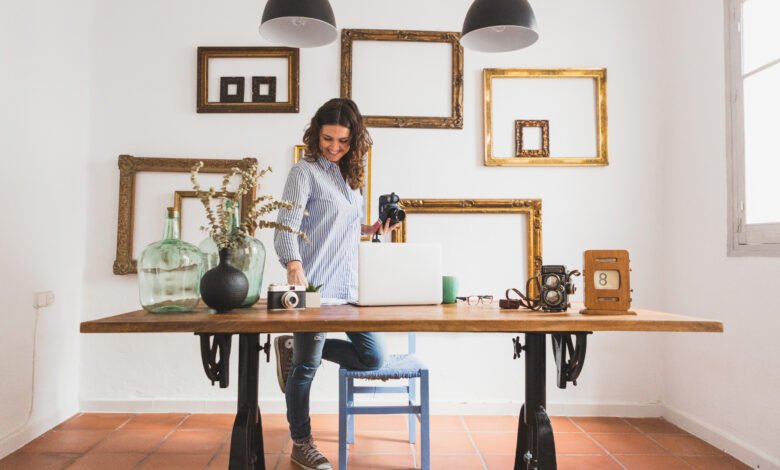
A beautifully decorated room is wonderful to look at, but if it fails to support your daily activities, its appeal will quickly fade. Designing a functional room requires a strategic approach that balances aesthetics with practicality. When a space is tailored to your specific habits, movements, and needs, it reduces daily friction and elevates your overall quality of life.
By reading through these core design principles, you will gain actionable insights on how to transform any chaotic or underutilized area in your home into a highly efficient, comfortable environment.
1. Maximize Vertical Storage
When floor space is limited, the smartest direction to look is up. Many homeowners completely ignore the upper half of their walls, leaving valuable real estate unused. According to home organization experts, utilizing vertical space can increase a room’s storage capacity by up to 50 percent. This approach keeps essential items accessible while freeing up the floor for movement and larger furniture pieces.
Tip: Install floor-to-ceiling bookshelves or floating shelves above doorways and windows. This draws the eye upward, making the ceiling feel higher while providing ample room to store books, bins, and decorative items.
2. Define Zones with Area Rugs
Open-concept layouts offer a spacious feel but can easily become visually confusing if different areas bleed into one another. Without walls to dictate where a living area ends and a dining space begins, a room can lack structure and purpose. Using area rugs is a highly effective way to create distinct boundaries within a single large room, signaling to the brain the specific function of each micro-space.
Tip: Choose a rug that is large enough to anchor all the key furniture pieces in a specific zone. For a seating area, ensure that at least the front legs of your sofa and chairs rest on the rug to tie the arrangement together.
3. Choose Multi-Purpose Furniture
Every piece of furniture in a functional room must earn its keep, especially in smaller homes or apartments. Single-use items can quickly crowd a space, making it difficult to navigate. Multi-purpose furniture solves this issue by providing dual functionalities without occupying extra square footage. Data from furniture industry surveys indicates that pieces offering hidden storage are among the highest-rated for long-term customer satisfaction.
Tip: Swap out a traditional coffee table for a storage ottoman. You can use it as a footrest, extra seating for guests, or a flat surface for serving trays, all while hiding blankets and board games inside.
4. Prioritize Adequate Lighting
Lighting drastically alters how a room functions and feels at different times of the day. Relying solely on a single overhead fixture often creates harsh shadows and fails to illuminate corners, making the room difficult to use for specific tasks like reading or working. A functional lighting plan utilizes layered lighting: ambient (general illumination), task (focused lighting for specific chores), and accent (highlighting architectural features).
Tip: Add a dedicated reading lamp next to your favorite armchair and install dimmer switches on overhead lights. This allows you to adjust the room’s brightness instantly based on the activity and time of day.
5. Incorporate Dedicated Leisure Zones
A truly functional room caters to both productivity and relaxation. Integrating recreational activities into your floor plan ensures the space serves your lifestyle comprehensively. For example, residential design trends show an increasing demand for immersive home entertainment options. Allocating space for high-end leisure setups, such as a virtual golf simulator, allows homeowners to practice their swing indoors without sacrificing the room’s overall layout. By designating specific zones for hobbies or gaming, you prevent leisure equipment from cluttering the rest of the living area.
Tip: Measure your room’s dimensions and ceiling height carefully before installing large entertainment systems to ensure you maintain comfortable clearances for swinging or active movement.
6. Optimize Traffic Flow
Even the most beautiful room will feel frustrating if you have to squeeze past a sofa or bump into a coffee table to cross it. Traffic flow refers to the pathways people naturally take when moving through a space. Interior designers generally recommend leaving at least 36 inches of clear walkway between major pieces of furniture and structural pathways like doorways to ensure safe, comfortable navigation.
Tip: Map out the most common routes people take through your room. Arrange your furniture to support these invisible walkways, avoiding any awkward bottlenecks or sharp corners that impede natural movement.
7. Keep Clutter at Bay
Clutter is the enemy of functionality. When surfaces are covered in unnecessary items, the room becomes visually overwhelming and practically unusable. A functional design inherently includes systems to manage daily detritus, from mail and keys to children’s toys and electronic cables. Establishing simple, sustainable organizational habits is just as critical as the physical design of the room itself.
Tip: Adopt the “one in, one out” rule. For every new decorative item or piece of furniture you bring into the space, remove an old one to ensure your room maintains its balance and purpose.
A functional room is a thoughtfully curated space that adapts to your lifestyle, reduces stress, and makes everyday tasks infinitely easier. Take a critical look at your current living areas and start applying these principles to reclaim your space. If you are ready to completely transform your home’s layout, reach out to our team of design experts today to schedule a personalized layout consultation.