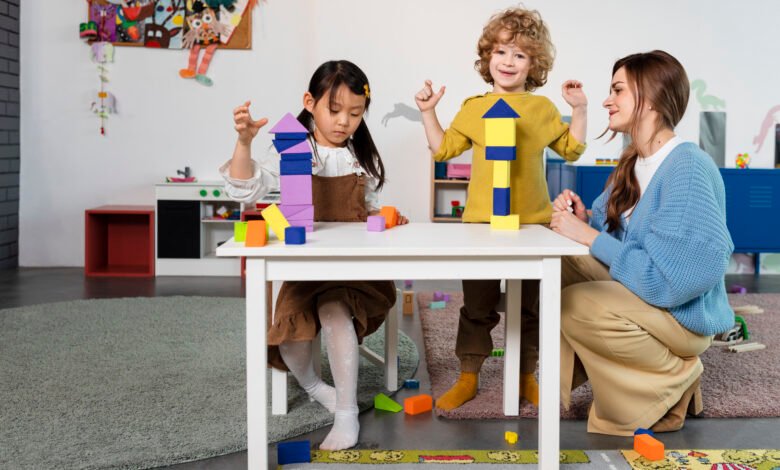
A daycare’s play area is much more than just a space for children to burn off excess energy. It is a vital developmental environment where young minds learn to socialize, problem-solve, and build crucial physical skills. Research from the American Academy of Pediatrics highlights that play is essential for healthy brain development, meaning the quality of your outdoor space directly impacts the children in your care. If your daycare playground is starting to look worn out or outdated, a refresh can completely transform the atmosphere of your facility. By making strategic improvements, you can provide a richer, safer, and more engaging environment that both children and parents will love.
1. Upgrade to Impact-Absorbing Surfacing
The foundation of any great play area is its surfacing. Traditional materials like wood chips, pea gravel, or sand are difficult to maintain and often fail to provide adequate fall protection. According to the Centers for Disease Control and Prevention (CDC), falls account for more than 50% of playground-related injuries. Upgrading to poured-in-place rubber or synthetic turf significantly increases shock absorption and reduces the risk of serious injury. These materials are also wheelchair accessible, making your play area more inclusive. A helpful tip is to choose a dual-color rubber surfacing design to visually separate active play zones from quiet areas, guiding children intuitively through the space.
2. Incorporate Inclusive Play Equipment
Every child deserves the opportunity to participate in outdoor play, regardless of their physical or cognitive abilities. Inclusive equipment goes beyond basic ADA compliance by offering sensory-rich experiences that cater to a wide spectrum of needs. Consider adding musical play panels, tactile activity boards, or supportive bucket swings. Studies show that inclusive playgrounds foster empathy and reduce social isolation among children. When evaluating new equipment, look for ground-level activities that do not require ramps or stairs, ensuring that children of all mobility levels can play side-by-side without barriers.
3. Install Adequate Shade Structures
Prolonged sun exposure can quickly turn a fun afternoon into a dangerous situation, especially during peak summer months. Metal and dark plastic equipment can reach scalding temperatures, while UV rays pose a constant threat to sensitive young skin. Installing fabric shade sails, permanent pavilions, or cantilever umbrellas over high-traffic zones like sandboxes and seating areas provides much-needed relief. Not only does this protect the children, but it also extends the lifespan of your playground equipment by preventing sun bleaching and heat damage. Position your shade structures over metal slides and swings to prevent contact burns during the hottest parts of the day.
4. Introduce Nature-Based Play Elements
Integrating nature into a playground offers profound cognitive and emotional benefits for developing toddlers and preschoolers. Natural play elements stimulate imagination and encourage unstructured exploration. You can incorporate smooth climbing boulders, balance logs, or a sensory garden filled with safe, non-toxic plants like lavender and ornamental grasses. According to a study published in the Journal of Environmental Psychology, exposure to natural environments reduces symptoms of ADHD and improves focus in children. Start small by introducing a mud kitchen or a digging patch, which encourages sensory-rich, tactile play that traditional plastic structures cannot replicate.
5. Create Distinct Play Zones
A chaotic playground can lead to accidents and behavioral issues, especially when older, more active children collide with toddlers engaged in quiet play. Organizing your play area into distinct zones helps manage traffic flow and provides varied play experiences. You might designate a gross motor zone for running and climbing, a dramatic play zone for pretend activities, and a quiet zone for reading or sensory rest. Using different colored surfacing or low, natural barriers like planter boxes can help define these areas. This zoning strategy empowers children to choose their preferred level of stimulation and reduces playground conflicts.
6. Refresh Site Amenities and Seating
While the focus is often on the play structures, the surrounding amenities are just as important for a well-rounded daycare facility. Teachers and caregivers need comfortable, strategically placed seating with clear sightlines to effectively supervise the children. Upgrading to durable, weather-resistant benches and adding accessible picnic tables creates a welcoming environment for outdoor lessons and snack times. Additionally, installing easily accessible, kid-friendly trash and recycling receptacles encourages children to clean up after themselves, fostering a sense of responsibility and keeping the grounds safe and hygienic.
7. Partner with Professional Installers
Designing and building a commercial-grade play area involves strict safety regulations, complex site preparation, and precise equipment assembly. Attempting a DIY approach or hiring general contractors unfamiliar with playground safety standards can lead to costly mistakes or compliance failures. By collaborating with specialized professionals, you ensure that every bolt is tightened to specification and every fall zone meets national safety requirements. If you are located in the Pacific Northwest, reaching out to experienced playground installers in Idaho can streamline your project from initial 3D design to final safety inspection, ensuring a flawless execution tailored to your specific community.
Upgrading a daycare play area is a meaningful investment in the health, safety, and happiness of the children who use it every day. By focusing on safety surfacing, inclusivity, sun protection, and professional installation, you can create an enriching outdoor space that supports early childhood development and sets your childcare facility apart.