Most people keep a mental checklist of basic health habits. This usually includes dental visits, fitness check-ins, and an annual physical, all treated as routine parts of staying healthy without much second thought given to skipping them. These habits tend to get booked automatically, often the moment a reminder card arrives or a calendar notification pops up, without any real internal debate about whether they are worth the time. Eye care rarely makes that same list, even though the eyes are just as prone to gradual, unnoticed changes as any other part of the body, and arguably deserve the same automatic, unquestioned place in a health routine that dental visits and fitness check-ins already hold. Here is a closer look at why this gap exists, and why it is worth closing sooner rather than later.
Why Eye Care Gets Left Off the List
A Habit Built Around Other Health Priorities
Dental care, fitness, and general check-ups are often treated as standard parts of a health routine, booked in advance and rarely questioned once the habit is established early in life. Parents tend to schedule these appointments for their children without much thought, and the habit carries forward naturally into adulthood as something that simply gets done on a set schedule. Eye care, on the other hand, often gets treated as optional, something to think about only once a problem becomes hard to ignore, usually after weeks or months of a nagging discomfort that finally tips someone into booking an appointment. This pattern usually forms early in life, often during childhood or the early years of managing personal health independently, and tends to stick without much reconsideration later on, even as other health habits mature and become more consistent with age and experience.
“My Vision Is Fine, So Why Bother?”
A common assumption is that an eye test is only necessary once a problem appears, usually in the form of blurry vision or obvious discomfort that is hard to overlook during everyday tasks like reading or driving. This idea overlooks most of what an eye test is actually designed to catch, since many issues develop well before vision itself changes in any noticeable way, sometimes taking months or years to reach a point where someone would actually notice a difference on their own. A test is not just a check on how well someone can currently see in the moment, but a broader look at the overall health of the eye itself, including the structures and blood vessels that a person has no way of examining without professional equipment, which is exactly where this assumption falls short in a way that matters.
How This Compares to Other Health Habits
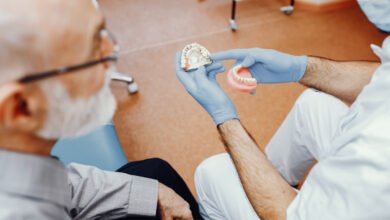
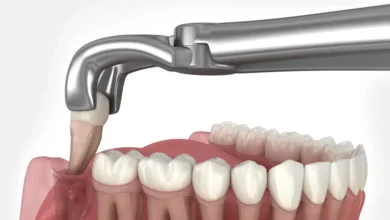
Most people would not skip a dental check simply because their teeth feel fine, since the value of a dental visit is widely understood to go beyond just the absence of pain in the moment, covering things like early decay or gum health that a person cannot easily assess on their own. Eye care, however, often gets held to a different, less consistent standard than other routine health checks, even though the exact same logic should apply to both in precisely the same way, given that both rely on a professional, rather than personal judgment, to catch developing issues early. This double standard rarely gets challenged directly, mostly because eye care has quietly slipped into a category of its own in how people think about health maintenance, treated almost as a specialty concern rather than a basic part of ongoing self-care.
What Gets Missed by Skipping Regular Eye Checks
Conditions That Develop Without Obvious Symptoms
Several common eye conditions progress quietly, well before any noticeable change in vision, sometimes over the course of months or years without a single obvious warning sign along the way. A condition like this can advance considerably before someone notices anything different about how they see, largely because the eyes and brain are remarkably good at compensating for small, gradual changes without drawing attention to themselves. Catching these conditions early usually means an easier and less costly fix compared to catching them once symptoms have already appeared and the condition has had time to progress further than it needed to, at which point treatment options tend to become more limited and more involved than they would have been with an earlier diagnosis.
Early Signs of Broader Health Issues
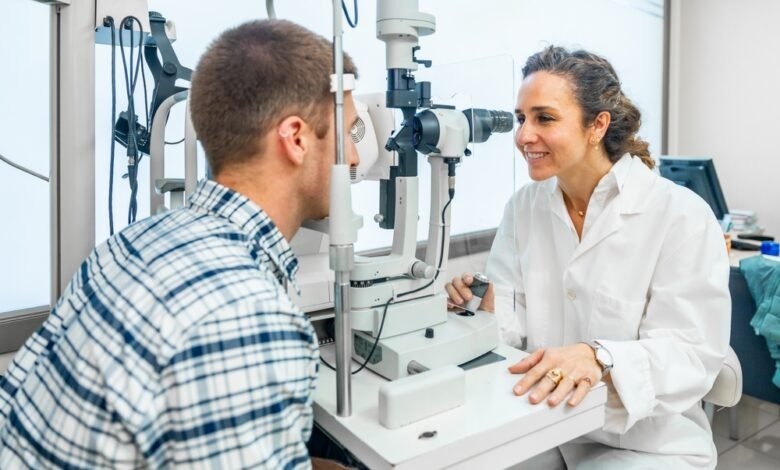
Certain health conditions, such as diabetes and high blood pressure, can show early signs in the eyes before symptoms appear anywhere else in the body, since the small blood vessels in the eye can reveal changes that are harder to detect elsewhere without more invasive testing. An optician trained to spot these signs can sometimes flag a potential health concern well before a person’s GP would have any reason to suspect one, simply because the eye offers a uniquely visible window into the state of these small blood vessels. This makes an eye test valuable well beyond just checking vision, even for someone who feels perfectly healthy otherwise and has no reason to suspect anything is wrong with their broader health at the time of the appointment.
The Cost of Waiting Too Long
Treatment options tend to work better and cost less when a condition is caught early, since most eye conditions are far easier to manage in their initial stages than once they have progressed significantly beyond that early window. A delay in noticing a problem often means a delay in reaching the easiest and most affordable point to fix it, which turns a relatively simple issue into something requiring far more time, effort, and expense than it would have otherwise, sometimes involving ongoing treatment rather than a single straightforward fix. The financial and practical cost of this delay rarely gets factored into the decision to skip a routine check, even though it represents one of the strongest arguments for staying consistent with regular appointments in the first place.
Common Myths That Keep People From Prioritizing Eye Care
“Eye Tests Are Only for People Who Wear Glasses”
This assumption leaves out a large share of the population who could still benefit from a regular check, regardless of whether they currently need any form of vision correction at all. A routine test still plays an important role even for people with perfect vision, since it checks for far more than just the need for glasses or contact lenses, covering overall eye health and early signs of conditions that have nothing to do with how sharply someone can currently see. Many people with no vision problems whatsoever go years without a check simply because this myth convinces them there is nothing to gain from one, when in reality the value of the appointment has very little to do with whether they need glasses in the first place.
“It’s Too Expensive to Bother With Regularly”
The cost of prevention is usually much lower than the cost of treating an advanced issue later on, once a condition has had time to develop into something more serious and harder to manage. Many affordable options exist for both routine checks and everyday vision correction, which makes this myth easier to dismiss than it might first appear once the actual costs are compared side by side rather than assumed in the abstract. A single missed appointment might feel like a small saving in the moment, but the potential cost of an undetected issue, both financially and in terms of long-term eye health, usually outweighs that small saving many times over.
Everyday Habits That Support Eye Health
Simple Habits Worth Building In
Regular screen breaks, proper lighting, and a basic awareness of daily eye strain all support better eye comfort over time, even though none of these require much effort or expense to put into practice on a daily basis. These small, low-effort changes rarely feel significant on their own in the moment they are applied, but they add up over weeks and months into a noticeable difference in how the eyes feel by the end of a typical day, particularly for anyone spending long hours at a desk or in front of a screen. Building these habits into a normal routine, rather than treating them as occasional adjustments, tends to produce the most consistent and lasting benefit over the course of a longer period of time.
Staying Consistent With Vision Correction
Comfortable, up-to-date contact lenses in the UK or glasses form an important part of a consistent eye care routine, particularly for anyone who relies on correction throughout most of the day for work, reading, or everyday activities. Sticking with an outdated prescription undermines much of the point of regular checks in the first place, since correction that no longer matches current needs adds unnecessary strain that could otherwise be avoided entirely with a simple, straightforward update from an optician. Many people continue using an old prescription for far longer than they should, mostly out of habit or a reluctance to book a new appointment, even though the fix itself is usually quick and relatively inexpensive once they actually follow through on it.
Nutrition and General Health’s Role
Overall health and diet play a real part in long-term eye function, tying eye care into broader lifestyle habits rather than treating it as something separate from general wellbeing in the way many people tend to think of it. Eye care ties into these wider habits directly, which means a varied diet, regular exercise, and good sleep all support the eyes just as much as any eye-specific habit on its own, even though this connection rarely gets emphasized in general health advice. A body that is generally well cared for through good nutrition and consistent sleep tends to support healthier eyes as a natural extension of that broader care, rather than requiring an entirely separate set of habits focused only on the eyes themselves.
Protecting Eyes From Everyday Environmental Factors
Sun exposure, dry indoor air, and pollution are everyday factors that affect eye comfort, often without much notice given to how they build up over the course of a normal day spent moving between different indoor and outdoor environments. Simple precautions, such as wearing sunglasses outdoors or keeping proper humidity levels at home, make a real difference over time, even though each individual precaution might seem minor when considered on its own in isolation from the others. Taken together, though, these small environmental adjustments add up to a meaningfully more comfortable set of daily conditions for the eyes, especially for anyone who spends a lot of time outdoors or in air-conditioned or heated indoor spaces.
The Role of Technology in Modern Eye Care
How Screens Have Changed the Conversation
Rising screen time across work and daily life has added a new layer to eye care that previous generations rarely dealt with in quite the same way or to quite the same degree as people do today. This alone is a strong reason for a more consistent approach to eye health today compared to years past, since the demands placed on the eyes have shifted considerably as screens have become central to so much of daily life, from work and communication to entertainment and everyday errands. A conversation about eye care that made sense a generation ago no longer fully accounts for the realities of a screen-heavy lifestyle, which makes updating that conversation, and the habits that go along with it, more relevant now than ever.
Digital Tools That Make Eye Care More Accessible
Online eye tests, digital prescription renewals, and easier booking systems have lowered the barrier to staying consistent with eye care in ways that were simply not available even a decade ago, when booking an appointment often meant a phone call during limited business hours. Convenience has become a bigger factor than many people realize in whether someone actually follows through on a regular check, since a simpler process removes much of the friction that once made booking an appointment feel like more effort than it was worth in the middle of a busy week. These digital tools have made it easier than ever to fit eye care into an already full schedule, removing one of the more common excuses people have relied on in the past to justify putting it off.
Making Eye Care a Permanent Part of a Health Routine
Treating an Eye Test Like Any Other Check-Up
Booking an eye test with the same regularity as a dental visit or a GP check makes the habit far easier to maintain long term, since it removes the need to decide each time whether it feels necessary or worth the effort in that particular moment. This small shift in mindset, treating an eye test as routine rather than optional, tends to make the biggest practical difference of anything covered here, largely because it turns a decision into a habit that no longer requires ongoing willpower or repeated justification every time the appointment comes around. Once eye care sits alongside other established health routines in someone’s mind, it becomes far less likely to be skipped or postponed indefinitely the way it often is when treated as a separate, lower-priority task.
Simple Ways to Stay on Track
Reminders, scheduling an eye check around other regular appointments, or building an annual check into a personal routine all help keep the habit consistent over the long run, even during busier periods when it might otherwise slip through the cracks. Consistency matters more here than any single appointment on its own, since the real value of regular eye care comes from tracking small changes over time rather than relying on one isolated check to catch everything that might be relevant. A person who books an eye test every year, without fail, benefits far more over a decade than someone who books one only occasionally, even if each individual appointment covers similar ground.
Involving the Whole Family
Building eye care into a family’s overall health routine, rather than treating it as an individual habit, helps the whole household stay on track together rather than leaving it to chance for each person separately and hoping everyone remembers on their own. Setting the example early also makes the habit easier to pass on to children as they grow up, since a habit modeled consistently by parents tends to carry forward naturally into adulthood without requiring much active encouragement later on. A family that treats eye care as a shared, routine responsibility tends to produce adults who carry that same habit forward into their own independent lives.
When to Go Beyond a Routine Check
Signs That Warrant a Specialist
Persistent symptoms that a standard eye test alone may not fully explain sometimes call for a referral to a specialist, particularly when discomfort or vision changes continue despite a normal result from a routine check at a regular optician. This is usually a practical next step rather than a cause for alarm, and it allows a more detailed look at anything a routine check could not fully address on its own with its more general, broader scope. Most people who receive a referral end up with a straightforward explanation and a manageable plan, rather than anything as serious as they might have initially feared before the appointment.
The Bigger Picture
Eye Health as Part of Overall Wellbeing
Vision affects daily quality of life more than most people consciously notice, from reading and driving to simply moving around comfortably without straining to see clearly throughout an ordinary day. Treating eye care as routine, rather than reactive, benefits long-term wellbeing in a way that fits naturally alongside other health habits people already prioritize, tying it into the same overall mindset that already covers dental care, fitness, and general checkups without needing to be treated as something separate or additional. Once eye care is folded into that same broader mindset, it stops feeling like an extra task and starts feeling like a natural, expected part of taking care of overall health.
The Bottom Line
Eye care deserves the same steady attention given to other parts of a health routine, rather than being treated as a lower priority simply because problems tend to develop more quietly and slowly than in other areas of health. A few consistent habits, paired with regular checks, do far more for long-term eye health than waiting until a problem becomes obvious enough to finally prompt action. Building the habit now costs far less time, effort, and money than catching up on it later, once a condition has had the chance to progress well beyond the point where it would have been simple to address.