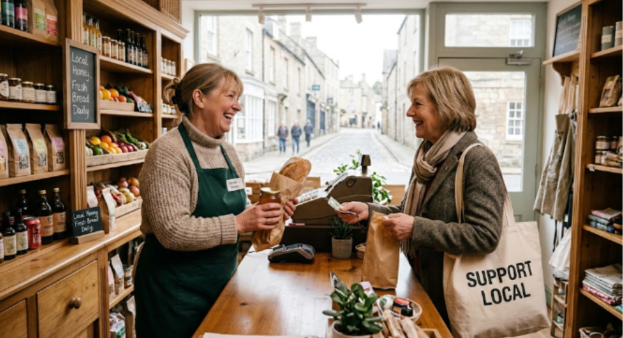
Walk down almost any British high street and the picture is mixed. Some units sit empty, others have turned into vape shops and phone repair counters, and in between there are the independents that seem to keep going year after year: the bakery with a queue on Saturday mornings, the barber who knows everyone’s name, the café where the staff start making your order when you walk in.
Those businesses face the same pressures as everyone else. Rents, business rates, energy bills and the minimum wage have all gone up, and customers are watching what they spend. What the survivors tend to have in common is not a bigger marketing budget. It is a solid base of regulars who come back without being asked.
Why regulars matter more than new faces
Winning a new customer is expensive. It takes advertising, offers, social media posts and a fair amount of luck. Keeping an existing one is far cheaper, and a regular who pops in twice a week will spend more over a year than dozens of passing visitors. For a small shop, a few more visits a month from the people who already like it can be the difference between a good year and a worrying one.
The trouble is that regulars are easy to take for granted. Nobody notices when someone who used to come in every Friday quietly stops. By the time the owner realises, that customer has found a new favourite place down the road.
The return of the loyalty card
The paper stamp card has been around for decades, and it still works for a simple reason: people like being rewarded for something they would do anyway. Buy nine coffees, get the tenth free. The weakness is that paper cards get lost, washed in jeans pockets or left in a drawer, and they tell the shop nothing about who is collecting.
That is why many independents have moved the card onto the customer’s phone. The customer scans a QR code at the till and saves the card to Apple Wallet or Google Wallet, with no app to download. Staff scan it when they pay, the stamp appears straight away, and the card sits next to the customer’s boarding passes and bank cards where it cannot be forgotten. Tools such as Passtastic let a shop set this up in an afternoon, with its own logo and colours.
Small touches that keep people coming back
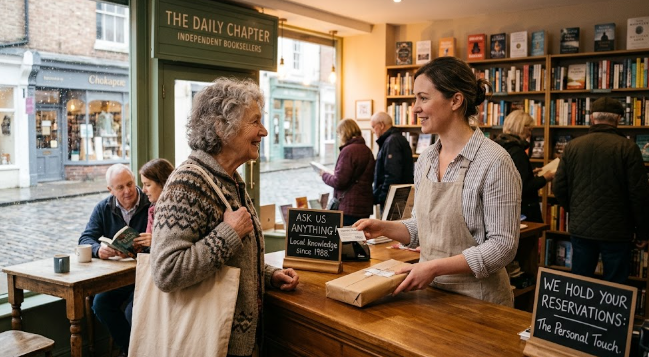
- Keep the reward within reach. A free drink after six visits feels achievable. A reward after twenty feels like a chore.
- Use the quiet days. Double stamps on a Tuesday afternoon fill a slow slot without discounting the whole week.
- Say hello again. A short message to someone who has not visited for a month, with a small treat, often brings them straight back.
- Celebrate birthdays. A free cake on the day costs very little and is remembered for a long time.
Community is the advantage
Big chains can outspend independents on almost everything except familiarity. People return to places that recognise them and make them feel that their custom matters. A loyalty card will not lower the rent, but it gives a small shop a simple, everyday way to say thank you to the people who keep it open, and on today’s high street that counts for a lot.