Understanding the Basics of Door Locking Systems
When comparing door security options, the debate often comes down to multipoint locks versus traditional single-point locks. While both systems are designed to secure doors, the way they function and the level of protection they provide are significantly different.
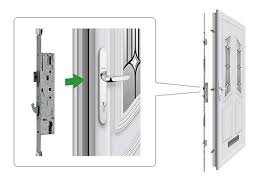
Traditional locks typically secure the door at one central point, usually through a latch or deadbolt. This means that all the resistance against forced entry is concentrated in a single area. Multipoint locks, on the other hand, engage several locking points along the height of the door, distributing force more evenly and providing a stronger overall defence.
As security concerns have increased, more homeowners have begun to move away from traditional locking systems in favour of multipoint solutions. A locksmith will often recommend this upgrade as one of the most effective ways to improve door security.
How Traditional Locks Perform in Real-World Situations
Traditional locks have been used for decades and are still found on many older doors, particularly timber doors. They are simple, reliable, and relatively easy to install. However, their main weakness lies in their design.
Because they only secure the door at one point, they are more vulnerable to forced entry techniques such as kicking or prying. Intruders can focus their efforts on a single area, making it easier to break through the door or frame.
Statistics suggest that a significant proportion of burglaries involve forced entry through doors, with many targeting properties that rely on outdated locking systems. While traditional locks can still provide a basic level of security, they are no longer considered sufficient for modern standards on their own.
Why Multipoint Locks Offer Superior Protection
Multipoint locks address the main weakness of traditional systems by securing the door at multiple points. These points can include hooks, deadbolts, and rollers, all of which engage with the door frame when the lock is activated.
This multi-point engagement makes it much harder for intruders to apply force effectively. Instead of focusing on a single weak point, they would need to overcome several locking points simultaneously, which requires significantly more effort and time.
Research indicates that doors fitted with multipoint locking systems can be up to 60% more resistant to forced entry compared to those with single-point locks. This increased resistance acts as a deterrent, as intruders are more likely to target properties with weaker security.
A locksmith will often highlight this as one of the key reasons for upgrading to a multipoint lock.
Differences in Installation and Complexity
One of the main differences between the two systems is the complexity of installation. Traditional locks are relatively straightforward to fit, as they only require alignment at a single point.
Multipoint locks, however, require precise alignment along the entire length of the door. The locking strip must be fitted correctly, and the keeps in the frame must align perfectly with each locking point.
This added complexity means that professional installation is highly recommended. A locksmith has the expertise to ensure that the system is installed correctly and operates smoothly.
While the installation process may be more involved, the long-term benefits in terms of security and performance make it a worthwhile investment.
Usability and Everyday Operation
In terms of usability, both systems have their advantages. Traditional locks are simple to operate, requiring only a turn of the key or handle.
Multipoint locks often require the user to lift the handle before turning the key to engage all locking points. While this may take some getting used to, it becomes second nature with regular use.
In return, users benefit from a more secure and stable door. The additional locking points help keep the door firmly in place, reducing movement and improving overall performance.
Impact on Door Stability and Longevity
Multipoint locks not only improve security but also enhance the structural stability of the door. By securing the door at multiple points, they help prevent warping and reduce strain on the hinges.
This can extend the lifespan of the door and reduce the need for repairs. Traditional locks, by contrast, place more stress on a single area, which can lead to wear over time.
A locksmith may recommend multipoint locks not just for security reasons, but also for their ability to improve the overall durability of the door.
Cost Considerations and Long-Term Value
While multipoint locks are generally more expensive than traditional locks, they offer better long-term value. The increased security, reduced maintenance, and improved durability make them a cost-effective solution over time.
Traditional locks may have a lower upfront cost, but they may require more frequent repairs or replacements, particularly if they are subjected to heavy use.
A locksmith can help homeowners weigh these factors and choose the option that best suits their needs and budget.
Conclusion
Multipoint locks provide a clear advantage over traditional locks in terms of security, durability, and performance. By securing the door at multiple points, they offer a level of protection that single-point systems cannot match.
While they may require more complex installation, the benefits far outweigh the drawbacks. With the guidance of a professional locksmith, upgrading to a multipoint lock can significantly improve the safety and reliability of your home.