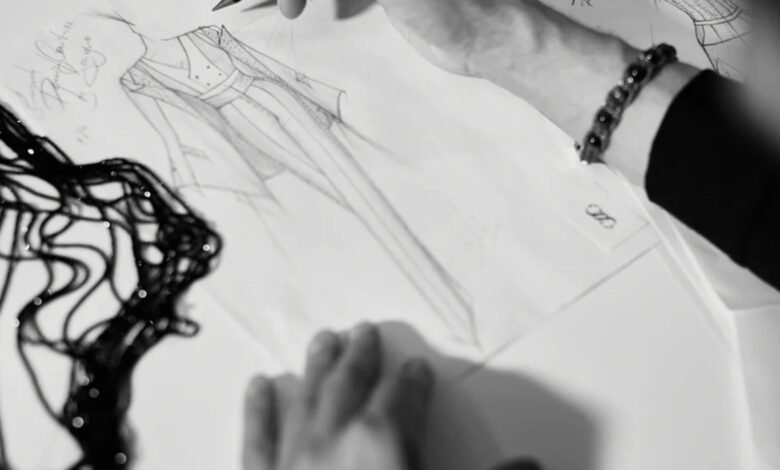
Comfort is often reduced to a simple formula: softer fabric, bigger fit, fewer rules. But the body doesn’t move in vague approximations, it moves through angles, arcs, and shifting points of tension. True ease comes not from hiding the silhouette, but from understanding it. That is why complex design can feel more comfortable than oversized clothing: it respects anatomy, posture, and motion. On https://thesagio.com/ the philosophy is clear: clothing is not a compromise between aesthetics and wearability, but a system where both can be engineered together. When a garment is built with intention, it can hold a flawless shape while letting the wearer move without resistance.
Why the “Soft Knitwear = Comfort” Myth Persists
Soft knitwear is genuinely pleasant, but softness is only one variable. A garment can be buttery to the touch and still restrict movement if it twists on the body, collapses in key zones, or forces constant adjustment. The myth persists because softness is immediate and measurable, while structural comfort is subtle: it reveals itself in the absence of friction, in sleeves that don’t pull, in waistlines that stay aligned, and in silhouettes that remain clean after hours of wear.
Comfort Is a Pattern Problem, Not Only a Fabric Choice
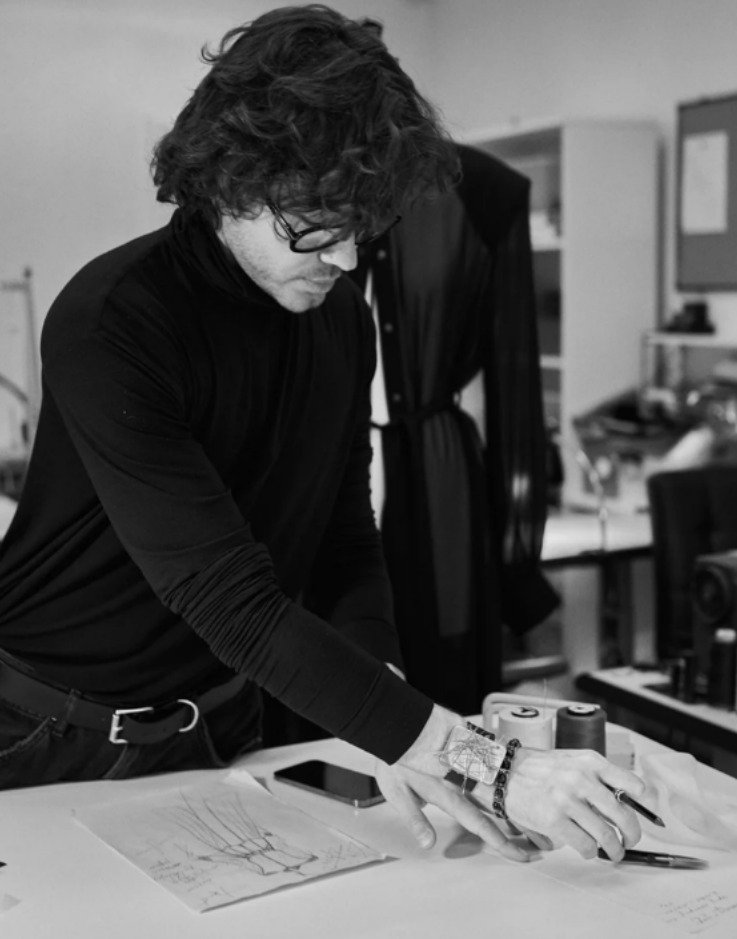
The most comfortable pieces are often the most considered. Patternmaking is geometry applied to the body: darts, seams, and paneling are not decoration – they are tools for distributing volume and controlling tension. Thoughtful construction can create “room” exactly where movement happens (shoulders, elbows, hips) without adding bulk everywhere else. Oversized clothing attempts to solve mobility by adding excess; engineered clothing solves it by placing allowance with precision.
Freedom of Movement Through Hidden Structure
Well-designed garments anticipate the body’s mechanics. A raised arm shouldn’t lift the entire jacket; a step shouldn’t torque the waistband; sitting shouldn’t distort the front line. Achieving this requires deliberate shaping: strategic seam placement, balanced proportions, and controlled ease. Complexity here is not visual noise – it is invisible problem-solving that lets the garment move with you while keeping its intended architecture.
The Flawless Shape Advantage
Oversized pieces often feel “safe” because they don’t cling, yet they can create their own discomfort: fabric pooling at joints, sleeves interfering with hands, collars slipping, hems catching. A refined silhouette, by contrast, reduces distraction. When lines are stable and proportions are balanced, the wearer experiences a calmer, more effortless presence. The garment becomes reliable, less to fix, tug, or rethink throughout the day.
Elegance as a Functional Outcome
When engineering is done correctly, elegance is not an extra layer, it is the byproduct of fit integrity. Clean lines come from controlled tension; sharp form comes from correct volume distribution. This is why complex design can be more wearable than shapeless ease: it provides both physical freedom and visual clarity.
A Modern View: Comfort Without Losing Intelligence
Contemporary dressing demands versatility: movement across the city, long hours, shifting environments, and the need to look composed without effort. This is where a design-led approach matters most. SAGIO treats garments as intelligent objects, built to support real life, not perform a trend. Comfort becomes a discipline: the intersection of construction, proportion, and material behavior, resulting in pieces that stay beautiful in motion.
Conclusion
Comfort is not the absence of structure; it is structure that understands the body. Softness can help, but it cannot replace engineering. When a garment is designed with geometric precision, where every seam, curve, and allowance has a purpose: it offers a rare combination: freedom of movement and a flawless, enduring shape.