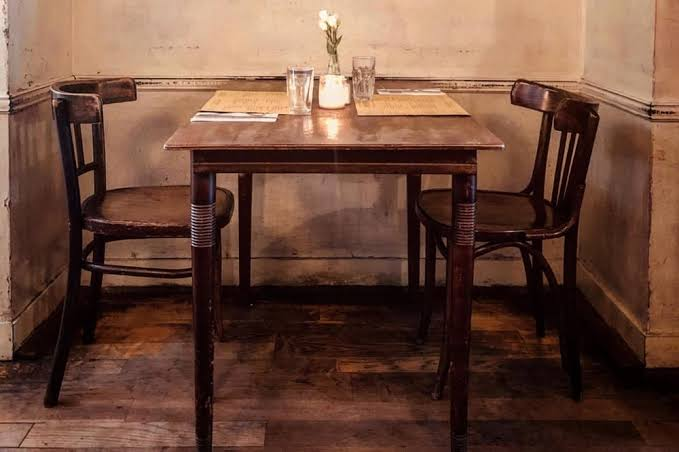
Britain’s dining rooms have never looked better. From converted railway arches in Manchester to Georgian townhouses in Bath, the country’s restaurants have grown genuinely ambitious about their interiors. Guests notice the lighting, the panelling, the reclaimed timber floors. What almost nobody notices, and what quietly makes those rooms work, sits at ankle height under every table. The restaurant table bases propping up Britain’s most photographed dining rooms are the unsung heroes of the whole scene.
British buildings make this harder than most. Old floors slope. Original boards cup and warp. A dining room carved out of a listed building fights gravity in ways a new-build never has to. The base is where that fight is won or lost.
Old Buildings, Uneven Floors
Half the charm of British dining is the buildings themselves. Coaching inns, warehouse conversions, shopfronts that have stood for two centuries. The trouble is that almost none of them have a level floor.
A table base has to cope with that reality. Adjustable feet and self-levelling glides let a top sit true on a floor that dips half an inch across its width. Without that, every table in a beautiful old room rocks, and the romance of the setting curdles the moment a guest sets down their glass and watches it tilt.
Weight Where It Counts
A good base keeps its mass low and central, and that matters twice over in a British dining room where floors are rarely flat. Weight down low means a top stays put even when it isn’t sitting on perfectly even ground.
The physics is simple enough. A stable table depends on a sensible center of mass and a base footprint matched to the size of the top. Skimp on either and you get the wobble that plagues so many otherwise handsome rooms. The best British operators have learned to ask about base weight and footprint before they ever choose a finish.
The Cast-Iron Revival
Cast iron has come roaring back in British dining, and for good reason. It carries a heritage look that suits a Victorian pub or a heritage brasserie, and its sheer heft gives a table the planted steadiness these rooms need.
There’s a practical side to the trend too. Cast iron shrugs off the daily knocks of a busy service and ages into a handsome patina rather than looking worn. A few base styles dominate the talked-about rooms right now:
- Traditional cast-iron pedestals for pubs and heritage dining rooms.
- Slim steel columns for tight city-centre cafes where legroom is precious.
- Cross bases for communal tables in warehouse conversions.
- Low disc bases for lounge corners that want a grounded feel.
Legroom in a Tight Country
British dining rooms are often snug. Rents are high, footprints are small, every foot of the square has to earn its spot. That means the base is a legroom choice as much as a stability choice.
A central pedestal base opens the corners so visitors aren’t fighting a table leg for their knees in an already tight room. In a cramped city cafe, that one option might make the difference between a table that seems cozy and one that feels painful. Owners who first select legroom and then select a base to suit, gain more usable seats from the same narrow floor.
Finishes That Fight British Damp
Damp is a fact of British life, and it works on furniture the way it works on everything else. Metal bases in a room near a coast, or in a cellar dining space, or simply in a country where it rains for much of the year, need a finish that holds the line against rust.
This is where a proper powder-coated finish proves its worth. It seals the metal, takes daily wiping without dulling, and keeps a base looking sharp through years of British weather. The finish spec matters as much as the shape, though it’s the part owners are most likely to overlook when they’re dazzled by a showroom silhouette.
Built for the Daily Rearrange
British rooms work hard. A lunch service becomes a private dinner becomes a Sunday roast for a party of ten. Tables get pushed together and pulled apart all day, and the bases have to survive that constant shuffle while staying level.
Bases that one member of staff can shift and re-level in seconds keep a small room flexible. That adaptability lets a single dining space serve a couple at noon and a wedding overflow by evening without ever looking thrown together. The best British floors reshape themselves several times a day, and good bases make each reset invisible to the next guest through the door.
The Foundation Nobody Toasts
British restaurants have always been known for their cooks, natural wine lists and gorgeous décor. The furniture underneath is hardly mentioned, and the base below the furniture is never mentioned. But the base is what allows a stone-topped table to sit dead level on a wonky Georgian floor, what maintains the room firm through a hundred rearrangements, what fights the damp and keeps its looks for years.
The battle for a lovely space is won softly at the base for an owner opening in one of Britain’s characterful historic buildings. Choose it with the same care as the lighting and the linen, conscious of weight, legroom, finish and levelling and the room rewards you every single service. The much vaunted dining-rooms of Britain are standing on something that nobody talks about and that is as it should be.