Silk has fascinated people for centuries — not only because of its luxurious feel, but also due to the story behind its creation. Light, smooth and naturally elegant, it stands apart from other fabrics in ways that go far beyond aesthetics. But what exactly makes silk so unique?
The ancient origins of silk
Silk’s story begins thousands of years ago in ancient China, where it was considered more valuable than gold. The process of producing silk was once a closely guarded secret, reserved only for royalty and the elite. Over time, this precious material traveled along the famous Silk Road, reaching Europe and shaping global trade.
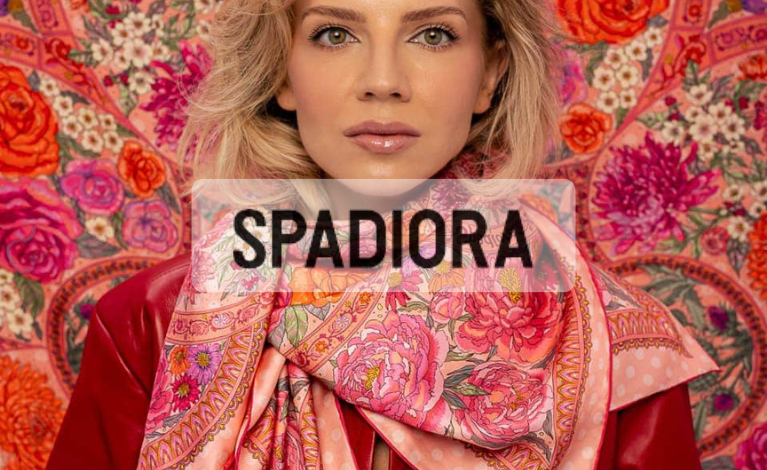
Today, silk is still associated with refinement and heritage. Brands like Spadiora continue this tradition, combining craftsmanship with modern design to create timeless pieces that reflect both history and contemporary style.
How silk is made and why it matters
Understanding how silk is produced helps explain its exceptional qualities. The process begins with silkworms, which spin cocoons made of a single, continuous fiber. These fibers are then carefully unwound, cleaned and woven into fabric.
If you’re curious about the details, it’s worth exploring how intricate the process really is — especially in guides like how is silk made, which break down each stage step by step. This meticulous production is what gives silk its strength, softness and natural sheen.
Unique properties that set silk apart
Silk isn’t just beautiful — it’s also highly functional. Its natural structure offers benefits that synthetic fabrics struggle to replicate.
Among its most valued features are:
- Breathability, which helps regulate body temperature
- Hypoallergenic properties, making it gentle on sensitive skin
- Moisture-wicking ability, keeping skin dry and comfortable
- Durability, despite its delicate appearance
These qualities make silk suitable not only for clothing, but also for accessories like scarves, sleepwear and hair products. It’s a fabric that adapts to both everyday use and special occasions.
Silk in modern lifestyle and fashion
In today’s world, silk has evolved beyond traditional garments. It appears in minimalist wardrobes, wellness routines and even beauty rituals. Silk pillowcases, hair wraps and eye masks are increasingly popular thanks to their gentle impact on skin and hair.
At the same time, silk remains a symbol of understated luxury. Whether worn as a scarf or incorporated into an outfit, it adds a subtle elegance without feeling excessive. This balance between practicality and sophistication is what keeps silk relevant across generations.
Why silk continues to captivate
There’s something undeniably timeless about silk. It connects ancient craftsmanship with modern needs, offering both comfort and refinement. Its story, combined with its unique properties, creates a fabric that feels as meaningful as it does beautiful.
Choosing silk is often about more than just style — it’s about appreciating quality, tradition and attention to detail. And once you experience it firsthand, it quickly becomes clear why silk has never gone out of fashion.
READ ALSO: Rainy Days in Yorkshire: Indoor Activities That Keep You Entertained