
Key Takeaways:
- Supplemental Melatonin is one of the most effective sleep aids.
- Melatonin is generally safer than conventional sleep pills for managing short-term insomnia.
- Proper timing can help maximize the supplement’s efficacy.
- Melatonin pairs well with many other natural sleep aids, such as Ashwagandha.
- You can optimize sleep quality further by making your bedroom comfortable.
Sleep is an essential biological function. Besides activating growth hormones, quality sleep can accelerate tissue repair.
Getting a good night’s rest may also diminish the risks of certain chronic ailments, such as anxiety disorders and cardiovascular diseases.
But although sleep is such a critical biological function, millions of people struggle with insomnia worldwide. Conservative estimates put the global insomnia prevalence among adults at around 8%.
Good news is – many cases of sleep deprivation are treatable using natural interventions. Read below as we explore the various ways to relieve insomnia without necessarily changing your entire daily routine.
The post shall focus on Melatonin supplements, while also spotlighting other natural sleep remedies.
Ways To Improve Sleep Without Altering Your Bedtime Routine
1. Take Melatonin
Melatonin is a popular supplement commonly prescribed for sleep deprivation. Many people take Melatonin for jet lag. Some also administer it to treat shift-work sleep disorder, among other short-term sleep issues.
Like the natural Melatonin hormone secreted by the brain’s pineal glands, supplemented Melatonin cues your body to sleep at the onset of darkness.
One exciting thing about Melatonin supplements for sleep is that they’re generally safe for short-term usage. The compound also pairs well with many natural sleep aids, such as multivitamins and Ashwagandha.
Supplemental Melatonin takes about 30 – 60 minutes to work, with the actual onset time varying by product strength and format. Fast-release formulations may kick in within 20 – 40 minutes, while time-release Melatonin can take up to 1 – 2 hours to enter your bloodstream.
As you might expect, the net experience is largely dose-dependent.
Melatonin dosage generally starts from 0.5 mg, often topping out at 10 mg. A dosage range between 1 and 5 mg is reportedly effective for many users. To avoid Melatonin side effects, do not take high-strength formats like 10 mg unless with a doctor’s express authorization.
However, Melatonin isn’t ideal for use every night. Talk to your doctor if your condition doesn’t improve after the prescription.
We should also point out that Melatonin isn’t available over the counter in Ireland.
Unlike the US and UK which regulate Melatonin as a dietary supplement, the Irish government treats the compound as a pharmaceutical drug. You need a doctor’s prescription to obtain Melatonin Ireland.
2. Try Out Ashwagandha
Ashwagandha has been part of folk medicine from time immemorial. Originally domiciled in Asia, this plant has now garnered widespread attention in Ireland for its potential sleep-aiding benefits.
Ashwagandha boosts sleep quality primarily by easing bedtime anxiety.
3. Experiment with Ginkgo Biloba
Ginkgo is another herb that requires little introduction. The plant is best known for its anxiolytic properties, making it a potential treatment for insomnia.
One study observed significant enhancements in sleep quality among subjects who were administered Ginkgo extracts.
4. Supplement with Vitamin D
Vitamin D doesn’t only aid healthy bone development.
Research has found that it might support restful sleep via multiple molecular pathways, including modulating certain neurotransmitter systems.
You can maximize Vitamin D’s sleep-aiding benefits using multivitamin supplements comprising other essential ingredients, such as Vitamins C and B.

5. Exercise
Exercise triggers the release of feel-good hormones, which may soothe nervousness and modulate your circadian rhythm.
Multiple findings suggest that engaging in gentle physical activity in the evening might boost sleep quality.
Just be sure to exercise at least two hours before bedtime to allow your body ample time to relax.
6. Reduce Blue Light Exposure
There’s an abundance of research correlating blue light exposure with sleep deprivation.
While it may be tempting to play a video game or binge-watch your favorite television series late into the night, shunning these activities might be the little sacrifice you make towards stabilizing your sleep cycle.
7. Follow a Fixed Bedtime Routine
Most natural sleep aids work when you follow a fixed bedtime routine and observe other general sleep hygiene.
For instance, always take your supplements and go to bed around the same time each day.
Besides, eat a light dinner to prevent sleep-disrupting indigestion.

Maximizing Your Sleep Quality Naturally
Don’t let sleep deprivation ruin your day. By implementing the above pointers, you can kick insomnia in the butt and enjoy ample rest every night.
It’s exciting to know that most natural sleep interventions pair well with supplemental Melatonin. However, consult your doctor before taking Melatonin alongside conventional meds.
Remember that 10 mg is the most potent melatonin supplement you can generally obtain over the counter. Exceeding this amount may constitute an overdose, causing a host of unpleasant reactions.
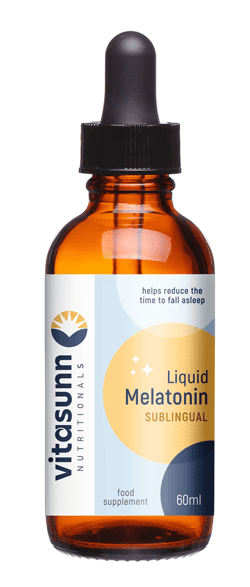
Vitasunn Nutritionals prides itself on offering premium-quality, pharmaceutical-grade Melatonin supplements in Ireland. Our products adhere to strict GMP controls and feature safe ingredients, potentially maximizing your sleep without inducing severe adverse reactions.
Frequently Asked Questions
1. Can Melatonin help with sleep?
Yes. Mounting evidence suggests that taking Melatonin for sleep might fast-track sleep onset time.
2. Is Melatonin available in Ireland?
Melatonin is available in Ireland as a prescription medication. That means you require a doctor’s prescription to obtain it.
3. Is Melatonin safe to take?
Melatonin is generally safe compared to many conventional sleep pills.
However, these supplements may trigger certain adverse events if excessively consumed.
4. Can I take Melatonin every night?
You may take measured doses of Melatonin every night for a few days. The supplements are generally ideal for short-term usage, and you should consult a doctor if your insomnia doesn’t improve within a week or so.
5. How much Melatonin is good for sleep?
1 mg – 5 mg seems to be the most common Melatonin dosage range for many adults.
To work out the correct serving portions, you’ll need to factor in your insomnia severity and a product’s potency.
6. How long before bed should I take Melatonin?
Many doctors recommend taking Melatonin 30 – 60 minutes before bedtime.
However, the actual onset of effects depends primarily on your preferred dosage.
7. Are there other sleep aids for quick sleep?
There are many other effective sleep aids besides Melatonin, from herbal remedies like Ashwagandha to vitamins like Vitamin D.
8. Can natural sleep aids work as well as prescription sleeping pills?
Some natural sleep aids can be just as effective as prescription sleep pills.
Besides, natural remedies generally have a higher safety profile than conventional sleep medications.