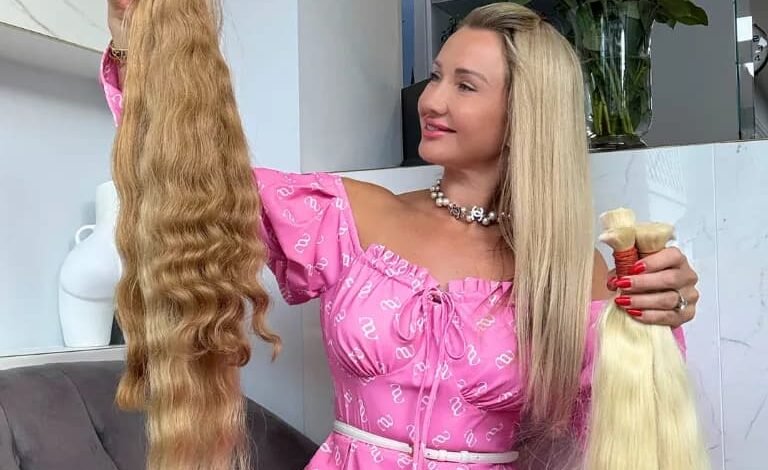
Choosing hair extensions can feel like a bit of a headache once you start reading through the options. Clip-ins, tapes, micro rings, wefts, toppers- so many words for what is really one simple goal: fuller, longer hair that still moves and feels like your own. If you’re trying to work out which route actually suits you, a bit of practical knowledge goes a long way before you book anything.
What Actually Makes an Extension Good
The best hair extensions aren’t defined by price or brand name alone. What actually matters is the quality of the hair itself, how well the colour is matched to your own, and whether the attachment method suits your hair’s condition and how much wear it can take.
A lot of people assume all extension hair is roughly the same, just cut and packaged differently. That’s not true. Hair sourced ethically from a single donor, kept with its natural cuticle intact and running in one direction, behaves completely differently to hair that’s been stripped, treated, and coated to fake a shine. The coated kind tends to feel soft for a wash or two, then turns dry and tangled once that outer layer wears off.
Matching the Method to Your Hair
There’s no single answer to which extension type counts as the best hair extensions for every person. It genuinely depends on your hair’s thickness, how often you’re willing to visit a salon, and how much daily styling you’re prepared to do.
- Clip-ins are the low-commitment choice. You put them in and take them out yourself, which makes them great for occasional length or volume without any long-term attachment.
- Tape extensions sit flat against the scalp and suit finer hair well, since they’re lightweight and don’t pull on individual strands the way some other methods can.
- Micro ring extensions attach strand by strand without any glue or heat, which a lot of people prefer for that reason alone.
- Wefts, meanwhile, cover more hair at once and work well for anyone wanting a fuller result without repeated salon visits.
None of these is universally superior. The best hair extensions for a friend with thick, coarse hair might be entirely wrong for someone with fine, fragile strands.
Why Colour Matching Actually Matters More Than People Think
Even the best hair extensions will look obvious if the colour is slightly off. A lot of salons rely on dye to get a match, which can leave the extension hair looking flat or a touch artificial next to your natural colour, particularly once it catches natural light.
A more careful approach blends several close but distinct natural shades from real hair together, rather than dyeing one batch to a single target colour. It takes longer to get right, but the result moves and reflects light far more naturally, which is the whole point of wearing extensions in the first place.
How Long Should They Actually Last
This is where a lot of disappointment comes from. Cheaper, mass-produced hair might look fine on day one, then start thinning out, tangling, or losing its shine within a couple of months. Genuinely well-sourced hair, properly cared for, can be reused across several fittings and still hold up a year or two later.
If you’re being asked to pay a premium fee for extensions that don’t outlast a budget alternative, something in that chain has gone wrong, either the sourcing, the coating, or how it was handled before it reached you.
A Note on Where to Get Advice
If you’re still unsure which route fits your hair, a proper consultation is worth more than reading reviews online. A London salon, Tatiana Karelina, with a strong focus on naturally sourced hair and hand-blended colour matching will usually walk you through the options honestly rather than pushing whatever’s easiest to fit that day. That kind of conversation tends to reveal more about what actually works for your hair than any general guide can.
Final Thoughts
Working out the best hair extensions for you really comes down to three things: honest hair quality, a method that suits your hair type and lifestyle, and a colour match that’s been done with real care rather than rushed. Take your time with the decision, ask plenty of questions at the consultation stage, and don’t assume the priciest option is automatically the right one for your hair.
It also helps to think about your daily routine before choosing a method. Someone who swims regularly, works out most mornings, or travels often for work might find a low-maintenance option suits them far better than something requiring frequent salon visits. There’s no shame in picking the simpler route if it fits your life more comfortably.
Getting it right the first time saves you money, time, and a fair bit of frustration down the road. The best hair extensions are ultimately the ones you forget you’re wearing: comfortable, natural in movement, and matched so well that nobody else notices either.